


The High Armhole: A Secret Weapon
Look closely at the most elegant men's morning coats and women's dresses at Ascot, and you’ll notice something you can’t quite put your finger on: a clean, sharp silhouette. The secret is often a high armhole, or 'scye.' Unlike off-the-rack garments,
which use lower armholes to fit a wider range of body types, bespoke tailoring raises it. This allows for a greater range of motion—essential for holding a glass of champagne or gesturing to a winning horse—without the entire garment riding up. For men, it keeps the jacket from pulling and bunching. For women, it creates a sleeker line through the torso and prevents fabric from bagging under the arm, ensuring a polished look from every angle.
Strategic Dart Placement: Sculpting with Stitches
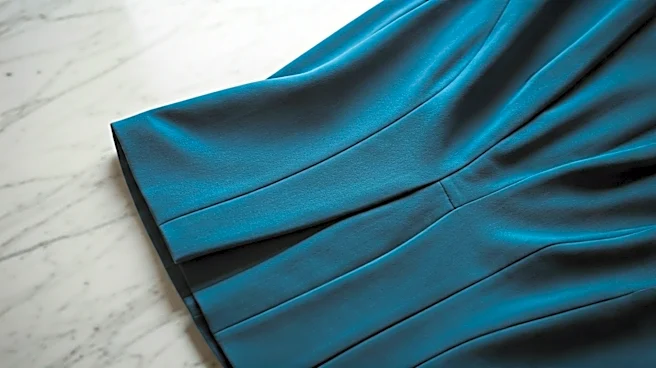
Darts are the unsung heroes of tailoring. They are essentially tapered folds of fabric stitched to shape a garment to the body's curves. At an event like Royal Ascot, where fit is everything, dart placement is crucial. Poorly placed darts can create pulling or puckering, but expertly placed ones make fabric skim the body perfectly. In women's dresses, darts at the bust and waist create a defined, hourglass figure without needing overly tight fabric. In men's tailoring, darts in the back of a shirt or waistcoat eliminate excess fabric, preventing the dreaded 'blousing' effect over the waistband. It’s this subtle sculpting that separates a bespoke piece from a standard one, providing a three-dimensional fit for a three-dimensional person.
The Waist Seam: An Anchor for Elegance
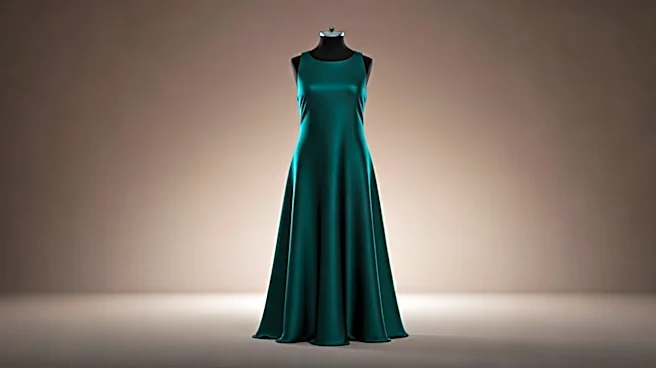
For women's dresses and men's waistcoats, the waist seam is more than just a line where two pieces of fabric meet—it's an anchor for the entire garment's structure. A precisely placed waist seam should sit at the natural waist, creating a flattering focal point and ensuring the rest of the garment drapes correctly. If it’s too high or too low, it can throw off the body’s proportions. For Ascot's formal daywear, a well-executed waist seam in a dress allows the skirt to have the right volume and movement. In a man’s morning dress, the waistcoat’s waistline is critical; it must cover the trouser waistband and create a seamless transition, elongating the torso and contributing to the formal, upright posture expected at the event.
Canvas Construction: The Unseen Structure
What gives a morning coat its regal shape and gentle roll of the lapel? The answer is canvas. High-end tailoring uses a 'floating canvas'—a layer of horsehair and wool stitched between the jacket's outer fabric and inner lining. This internal skeleton allows the garment to mold to the wearer's body over time, providing structure without stiffness. Cheaper suits use a fused (glued) interfacing, which can create a stiff, lifeless look and is prone to bubbling. The canvas is what ensures a jacket drapes perfectly over the shoulders and chest, creating a smooth, uninterrupted line that looks effortlessly elegant, even after hours of standing and socializing in the Royal Enclosure.
Trouser Pitch and Break: The Finishing Touch
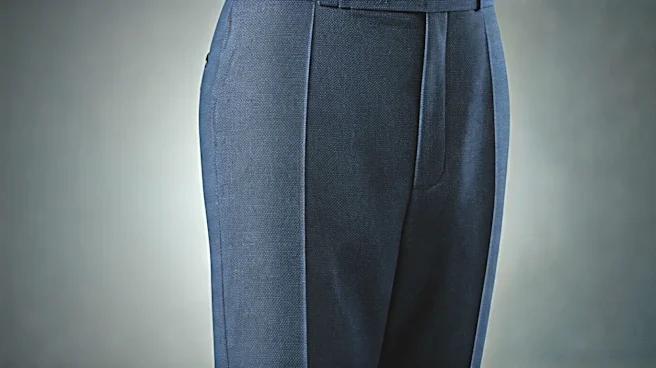
While attention is often on the coat and hat, the trousers are just as important for a polished look. 'Pitch' refers to the balance of the trousers, adjusted for the wearer’s posture. Someone who stands with a forward or backward pelvic tilt needs their trousers cut differently to hang straight. The 'break' is the fold or crease in the fabric where the trousers meet the shoes. For the formal gray-striped trousers of morning dress, the ideal is a slight, single break. Too much fabric pooling at the ankle looks sloppy, while no break at all can make the trousers appear too short. Getting this detail right ensures a clean, vertical line that lengthens the leg—a subtle but powerful element of refined style.