





The Actor’s Red Carpet
The Tony Awards are unique among major awards shows. Unlike the film and music stars at the Oscars or Grammys, many Tony attendees and nominees are working theater actors in the middle of a demanding run. Some might literally be heading to the theater after
the red carpet or have just finished a matinee performance. This isn't a one-night-only event for them; it's a brief, glamorous pause in a marathon of athletic, emotional, and physical exertion. Their skin doesn't have the luxury of being a pristine, static canvas. It has to breathe, sweat, and withstand hours under hot stage lights. This fundamental reality dictates the entire approach to beauty. The goal isn't just to look good for a photograph, but to have a look that survives, enhances, and respects the skin of a working performer.
Defining ‘Performance-Grade Skin’
So, what exactly is “performance-grade skin”? It’s a beauty philosophy that prioritizes skin health and endurance over heavy coverage. Think of it as the opposite of the thick, matte “Instagram face” that dominated trends a few years ago. Instead of masking the skin, this approach is about perfecting it with lightweight, durable products that look like, well, skin. The focus is on a luminous, hydrated, and even complexion that appears healthy and radiant from the front row to the back of the house. It's achieved not with layers of foundation, but with a cocktail of high-performance skincare, luminous primers, buildable skin tints or serum foundations, and strategic, minimal powdering. The finish is satiny and real, allowing the skin’s natural texture to show through while ensuring it won’t melt, crease, or turn chalky under pressure.
Flashbulb Makeup vs. Stage Reality
To understand performance-grade skin, it helps to know what it’s not: flashbulb makeup. Makeup designed for flash photography often involves techniques like heavy “baking” with translucent powder, sharp contouring, and ultra-matte finishes. These methods are engineered to absorb the harsh light of a camera flash and prevent any shine, which can read as oiliness on camera. While effective for a static red carpet photo, this look is a nightmare for a stage performer. Under hot, moving stage lights, heavy powder can look cakey and dry. Intense contour can appear muddy and unnatural. A matte, full-coverage foundation will feel like a mask and is more likely to break down with sweat, leading to streaks and patches. Performance-grade beauty is about flexibility and breathability, while flashbulb makeup is about control and opacity. One is designed for movement and life; the other is for a frozen moment in time.
The Performer's Toolkit
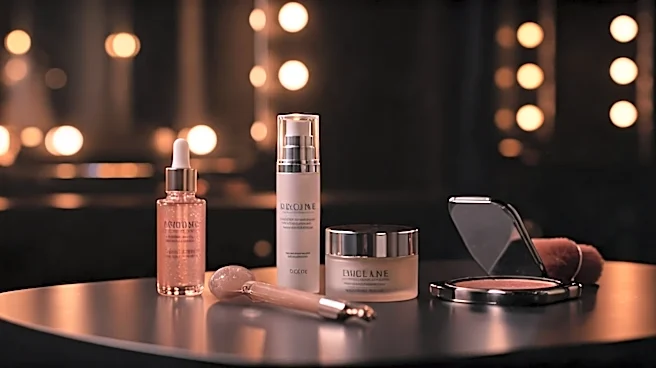
The secret to achieving this durable, radiant look lies in a carefully curated toolkit. The process starts long before makeup, with intensive skin prep: hydrating masks, serums, and rich moisturizers to create a plump, smooth canvas. Makeup artists for Broadway stars often favor cream-based blushes, bronzers, and highlighters that meld with the skin and can be easily touched up, rather than powders that sit on top. Long-wear, hydrating concealers are used strategically to cover blemishes or redness without needing to apply a heavy foundation everywhere. The final, crucial step is a high-quality setting spray. We're not talking about a simple mist; these are often performance-grade formulas designed to lock makeup in place through sweat, humidity, and quick costume changes, creating an invisible shield that ensures everything stays put from the red carpet to the final bow.