



The New Default for Smart Casual
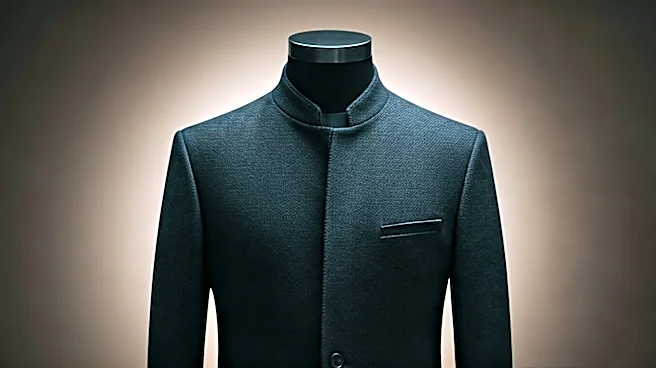
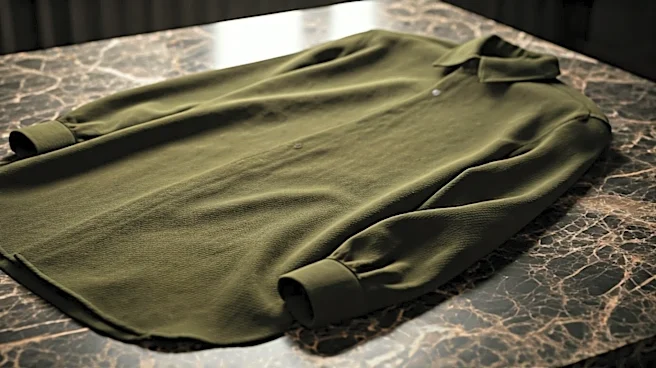
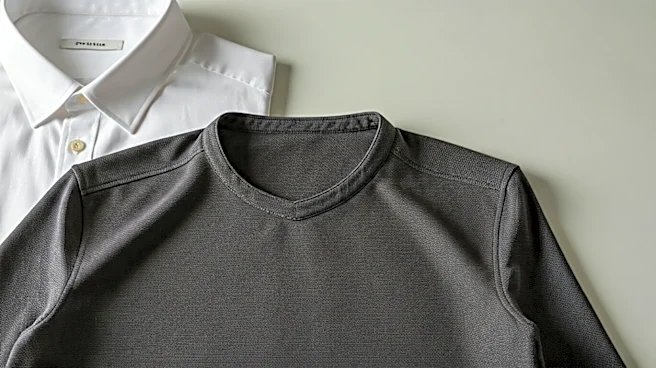
First, let's be clear about what we're talking about. Known variously as a band-collar, grandad-collar, or mandarin-collar shirt, this garment does away with the traditional folded-over collar and placket points. What’s left is a simple, clean band of
fabric around the neck. The effect is instantly modern and relaxed, yet still structured. It occupies a perfect middle ground that menswear has desperately needed: it's more intentional than a t-shirt or polo, but far less stuffy than its collared cousin. In an era where the office dress code has been shattered into a thousand pieces, the collarless shirt has emerged as a unifying solution. It's the answer to the question, “What do I wear when I need to look put-together but not formal?” It’s smart enough for a client-facing video call and comfortable enough for the commute from your kitchen to your desk.
A Brief History of Not Having a Collar
While it feels distinctly modern, the collarless shirt has a surprisingly deep history. Its origins are practical, tied to the uniforms of factory workers and soldiers who needed functional clothing without the fuss of a starched collar. Detachable collars were common in the 19th and early 20th centuries, and wearing the shirt without one was a sign of being off-duty or from a working-class background. This gives it a subtle, inherent sense of rebellion and ease. Later, it was adopted by iconoclasts and artists. The Beatles famously wore them in the mid-1960s, cementing their status as a stylish, anti-establishment choice. This legacy—part workwear, part bohemian—infuses the shirt with a sense of effortless cool that a traditional button-down, with its corporate and academic associations, can't quite match.
The Perfect Shirt for a Digital World
The pandemic and the subsequent rise of hybrid work didn't create the collarless shirt trend, but they threw gasoline on the fire. It is, arguably, the perfect “Zoom shirt.” The clean neckline frames the face without any of the awkwardness of a traditional collar, which can bunch up, sit crookedly, or look overly formal from the chest up. It projects an image of streamlined competence. Furthermore, its versatility is a massive asset in our new, less predictable work lives. It layers beautifully under a chore coat, a casual blazer, or a knit sweater, but it also stands completely on its own. You can wear it to the office on a Tuesday, to a parent-teacher conference on a Wednesday, and out to dinner on a Friday without ever looking out of place. It simplifies the wardrobe by being an all-in-one solution for looking sharp without overthinking it.
So, Is the Button-Down Over?
Let’s get one thing straight: the button-down isn't going anywhere. It’s an icon, the bedrock of menswear for a century. To claim it’s being “replaced” is an overstatement. A more accurate way to see it is that its monopoly is ending. For years, the button-down was the default choice for any situation requiring a modicum of polish. Now, it has a serious, legitimate rival. The collarless shirt isn’t replacing the button-down; it’s providing a much-needed alternative. It reflects a broader cultural shift away from rigid dress codes and toward personal expression and comfort. Men are no longer forced to choose between 'formal' and 'casual.' The rise of the collarless shirt signals the dominance of a new, third way: clothing that is adaptable, comfortable, and stylish on its own terms.