


The 1970s: Earthy, Hairy, and Flared
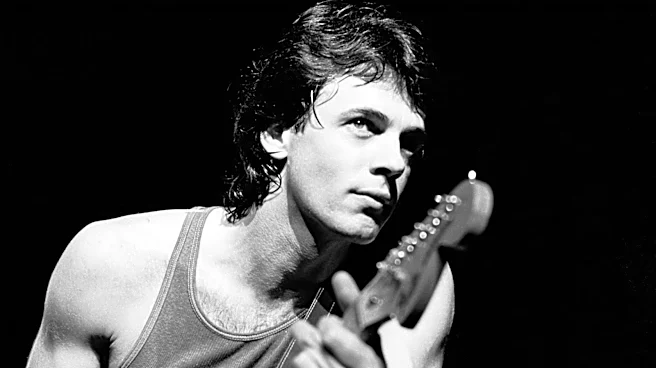
To understand the 80s, you have to picture the mid-to-late 1970s. For men, fashion was dominated by a post-hippie, rock-and-roll earthiness. The silhouette was defined by extremes: wide lapels on jackets and even wider, flared bell-bottom trousers. Shirt
collars were huge and often worn unbuttoned. The color palette was overwhelmingly warm and natural, full of browns, rust oranges, avocado greens, and mustard yellows. Fabrics were equally organic, with denim, corduroy, suede, and velvet reigning supreme. It was a style that celebrated a certain rugged, naturalistic masculinity—think long hair, beards, and a laid-back, almost anti-fashion approach that still had its own distinct uniform. Even the glitz of disco, with its shiny polyester shirts and three-piece suits, was an extension of this maximalist, body-conscious look.
The New Wave Reaction: Artificial and Angular
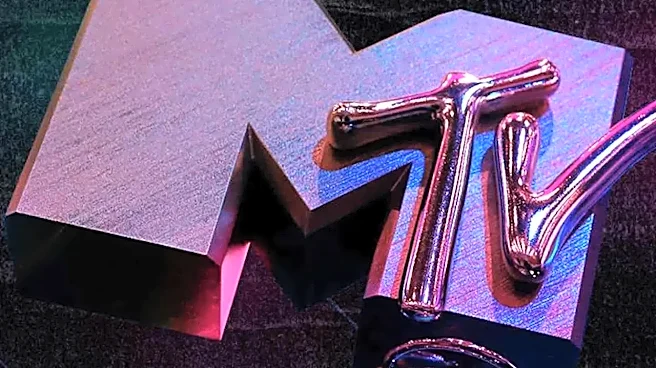
New Wave was the bracing, cold splash of water that ended the hazy 70s dream. As a cultural and musical movement, it rejected the blues-based sincerity of classic rock for something more ironic, electronic, and detached. That philosophy translated directly into the clothes. Where the 70s were natural, New Wave was artificial. Where the 70s were rounded and flowing, New Wave was sharp and geometric. This was the era of the synthesizer, and the fashion looked how the music sounded: clean, precise, and futuristic. Aided by the launch of MTV in 1981, the visual identity of bands became more important than ever, spreading the New Wave aesthetic globally. It was a deliberate move away from the handmade, hippie-inspired look toward something that felt modern, graphic, and mass-produced.
From Bell-Bottoms to Skinny Ties
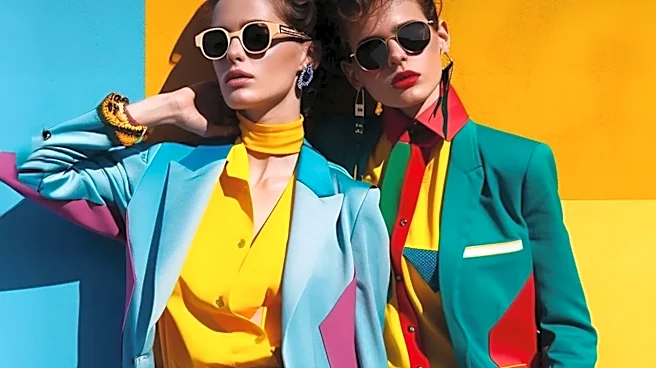
The most obvious point of rebellion was in the silhouette. The bell-bottom was banished, replaced by straight-leg or skinny trousers. Wide, floppy lapels vanished in favor of razor-thin ones or, in many cases, no lapels at all on minimalist blazers. The oversized, pointy shirt collars of the 70s were swapped for tidy button-downs, often paired with a famously skinny tie. Earth tones were jettisoned for a palette of black, white, gray, and strategically deployed bursts of bright, synthetic-looking primary colors or neon. Natural fibers took a backseat to modern, man-made materials. Everything was tightened, sharpened, and simplified. It was a visual cleansing of the preceding decade's perceived excesses.
The Rise of Androgyny
Perhaps the most significant shift was the embrace of androgyny. The hairy-chested, rugged masculinity of the 70s was replaced by a look that was intentionally ambiguous. Male New Wave artists like David Bowie, Boy George, and Annie Lennox of Eurythmics played with gender presentation, adopting makeup, flamboyant hairstyles, and clothing that defied traditional male archetypes. This wasn't just about shock value; it was a core part of the movement's art-school ethos, which questioned all conventions, including gender roles. Blazers with oversized shoulder pads, once a symbol of masculine power dressing, were adopted by women, while men borrowed from more feminine aesthetics, creating a unisex, artistic look that felt entirely new.