



The Science of a Shared Laugh
First, let's get the basics down. Humans are about 30 times more likely to laugh when they’re with other people than when they are alone. Laughter is less a response to a joke and more a primal tool for social bonding. When you're in a dark theater, your
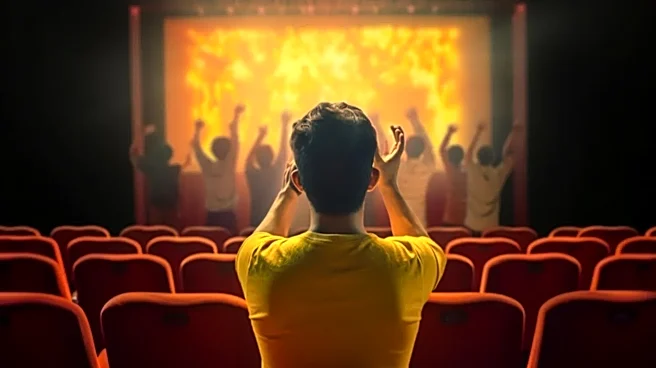
brain isn't just watching the movie; it's subconsciously monitoring the reactions of everyone around you. As soon as one person chuckles, our mirror neurons can fire, making us more inclined to join in. It’s a powerful, contagious feedback loop that turns a funny moment into a communal experience of euphoria, releasing dopamine and endorphins. A packed cinema turbocharges our emotional responses, making everything feel more potent.
The Festival Bubble Effect
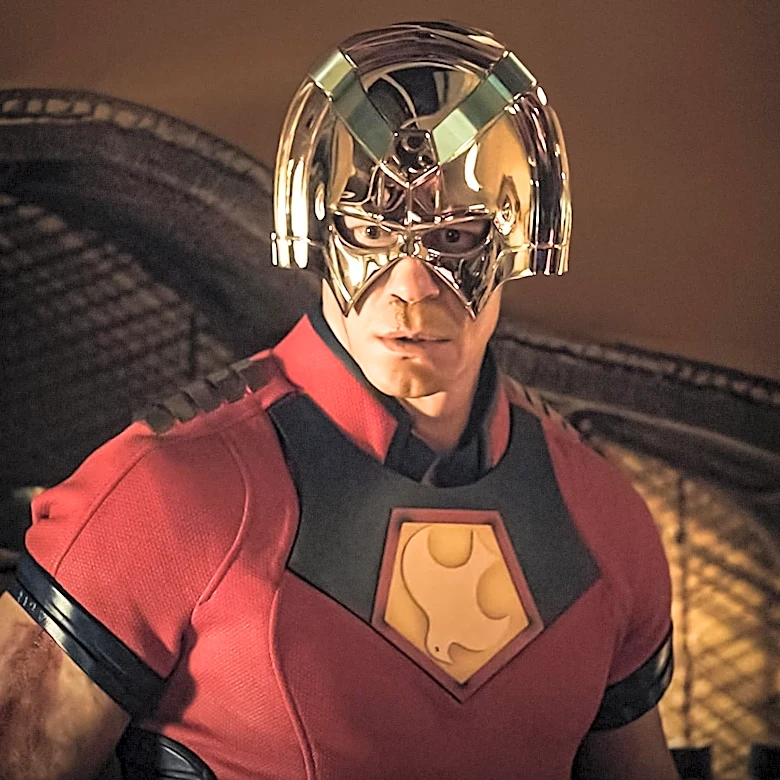
A festival audience, especially at a premiere, isn't a normal audience. They are a self-selected group of cinephiles, critics, and industry insiders who are primed for discovery. Having waited in line and buzzing with anticipation, they want to love what they're seeing. This creates an environment of heightened engagement. At a festival like TIFF, a film screens without the baggage of a massive marketing campaign or preconceived notions. The audience feels like they're in on a secret, discovering the next big thing before anyone else. This collective energy creates a 'hot room,' where every emotional beat—be it a shocking twist or a subtle punchline—is amplified. A recent review from TIFF 2026 for the action-comedy 'Hope' noted its gut-busting ten-minute-long joke, a moment likely supercharged by the festival environment.
The Danger of a False Positive
For a filmmaker, that wave of laughter can be the most validating sound in the world. But it can also be dangerously misleading. A joke that gets a standing ovation at TIFF's Midnight Madness might be met with confused silence in a suburban multiplex. The festival bubble creates a kind of 'laugh inflation.' The audience is forgiving, sophisticated, and eager to connect. A general audience, on the other hand, is often more distracted, less cinematically literate, and paid full price for a ticket with different expectations. Relying solely on a festival reaction to lock in a comedy edit can be a critical mistake. That roaring laughter might be a false positive—an indicator of success in that specific room, but not for the film's broader commercial life.
How to Listen to the Laughs
The smart filmmaker doesn’t just hear the laughter; they analyze it. Pioneering comedy directors have been known to record the audio from their test screenings to study it during the edit. This allows them to map the rhythm of the audience's reaction. Are you getting a sudden, sharp bark of surprise? A slow-building, rolling wave of glee? Or is it a polite, intellectual chuckle? Each one tells a different story. A sharp laugh means a punchline landed perfectly. A rolling laugh suggests the audience is delighting in a sustained, funny scenario. A polite chuckle might mean they appreciate the cleverness of a joke but aren't feeling it in their gut. Timing is everything; editors often have to trim tangents or adjust pacing to ensure the audience isn't thinking about the plot when they should be laughing.
Beyond the Premiere Buzz
The premiere at TIFF is a launchpad, not the finish line. It provides invaluable data, but it's just one data point. After the festival high wears off, the real work begins. The next step is to get the film in front of a 'cold' audience—people who aren't in the industry and have no preconceived excitement. This is where you'll find out if the humor translates. Does the comedy work for viewers who don't get the insider references? Do the character arcs resonate with people who aren't predisposed to love indie film? A successful festival screening can attract distributors and build crucial buzz, but a filmmaker's job is to see past the applause and listen for what the film truly needs to succeed in the wider world.