




The Peak “Big & Tall” Era
Cast your mind back to the late 1990s and early 2000s. The NBA draft wasn't just about lottery picks; it was a spectacle of questionable tailoring. Future legends like LeBron James, Carmelo Anthony, and Dwyane Wade walked across the stage in suits that
seemed to be made for men twice their size. Shoulders slumped, trousers pooled around their shoes, and lapels were wide enough to land a small plane on. The most legendary of all might be Jalen Rose’s 1994 pinstripe number, a garment so voluminous it has its own cult following. At the time, this wasn't just a mistake; it was the style. Hip-hop culture, which heavily influenced the league, favored baggy silhouettes. Brands like FUBU and Rocawear dominated, and that sensibility bled into formalwear. For tall, broad-shouldered athletes, finding an off-the-rack suit that fit was a nightmare. The solution was often to size up—way up—resulting in a look that was more drape than definition. It was a uniform of its time, but one that would soon become a go-to punchline for sports commentators and fashion critics alike.
The Slim-Fit Correction
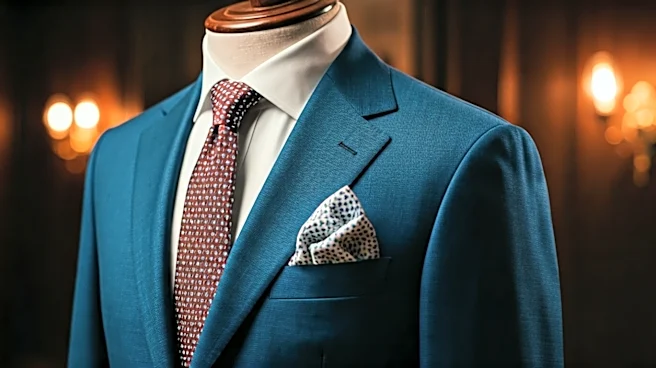
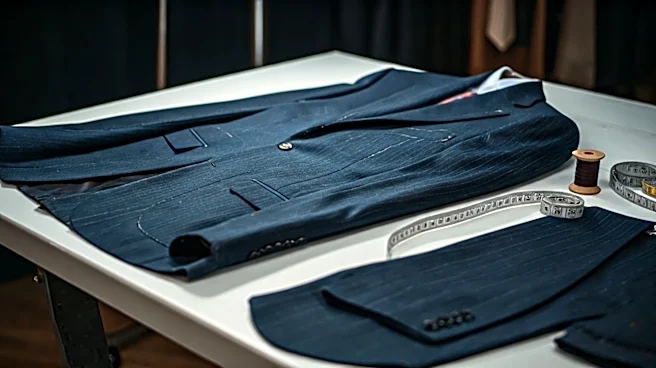
By the mid-to-late 2000s, menswear had a dramatic change of heart. Led by designers like Hedi Slimane at Dior Homme and Thom Browne with his signature shrunken tailoring, the prevailing silhouette became razor-sharp and skinny. Suddenly, a well-dressed man wore trousers with no break, jackets that hugged the torso, and lapels no wider than a thumb. This was the era of 'Mad Men' style and the rise of the menswear blog. Athletes, eager to shed the sartorial sins of the past, quickly adopted the new uniform. Draft night transformed. Prospects appeared in impeccably tailored, slim-fit suits that emphasized their athletic frames rather than hiding them. The baggy suits of the previous generation became a running joke, a visual shorthand for a less sophisticated time. Looking back at old draft photos became a popular sport in itself, with players from the baggy era often laughing at their own youthful fashion choices. The message was clear: tailored and tight was in; baggy and broad was out.
High Fashion Rediscovers Volume
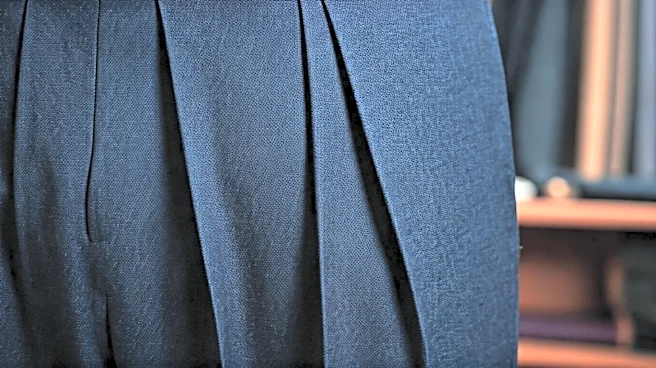
But fashion is cyclical. After a decade dominated by skinny fits, the pendulum began to swing back. In the late 2010s and early 2020s, influential luxury brands started experimenting with volume again. Houses like Balenciaga under Demna and Fear of God under Jerry Lorenzo championed a new kind of oversized aesthetic. This wasn't the accidental bagginess of the early 2000s. This was intentional, architectural, and luxurious. The new oversized look is about drape, proportion, and fabric. It’s the difference between a cheap, ill-fitting rental tuxedo and a custom-made Zegna suit with a relaxed, flowing cut. Designers played with dropped shoulders, wider trousers, and longer jackets, but with a sense of control and purpose. It was a sophisticated, comfortable, and confident look that rejected the restrictive nature of the skinny suit. This shift in high fashion laid the groundwork for the oversized suit’s redemption.
The Modern Draft-Night Statement
Today’s NBA prospects aren't just showing up in what’s available at the local menswear store. They are working with high-profile stylists who are deeply connected to the fashion world. When a player like Scoot Henderson or Amen Thompson arrives at the draft in a suit with a looser cut, it’s not a mistake; it's a deliberate choice. It signals an awareness of current trends and a desire to express a personal brand that is more fashion-forward. The modern oversized draft suit is a world away from its predecessor. The fabrics are softer, the construction is more refined, and the proportions are carefully considered. It’s paired with luxury sneakers or designer loafers, not clunky dress shoes. It communicates ease and confidence, not cluelessness. Instead of being a punchline about a player drowning in fabric, the new oversized suit is a statement about his place in the cultural zeitgeist—as comfortable on a runway as he is on the court.