





First off, where is this thing, exactly?
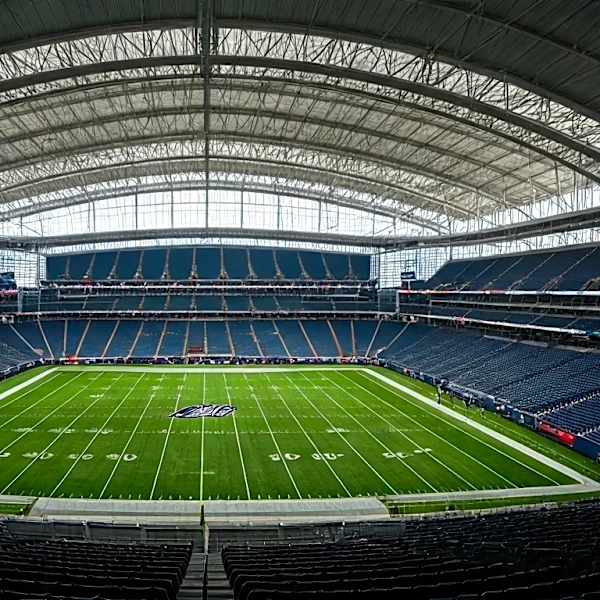
Forget a single host country; this is a continental affair. The 2026 World Cup will be jointly hosted by the United States, Mexico, and Canada. We're talking 16 host cities in total: 11 in the U.S. (from New York/New Jersey to Los Angeles), three in Mexico (including
Mexico City), and two in Canada (Vancouver and Toronto). The sheer scale is unprecedented. The final will be held at MetLife Stadium in New Jersey, but games will be happening coast-to-coast. This isn't like Qatar 2022 where stadiums were a subway ride apart. For 2026, think of it less as a single-city event and more as a three-nation festival of soccer. Your biggest decision will be whether to set up a home base in one city or embrace the cross-country travel.
Wait, 48 teams? How does that even work?
You heard right. For the first time ever, the World Cup is expanding from 32 to 48 teams. This changes everything. Instead of eight groups of four, we’ll have twelve groups of four. The top two teams from each group will advance, but they’ll be joined by the eight best third-place teams. This new format adds an entire knockout round—a Round of 32—before the traditional Round of 16. What does this mean for you? More games (104 in total, up from 64), more nations participating, and more potential for dramatic, must-win scenarios right from the start. It also means the tournament is longer, running for 39 days, giving you more opportunities to catch the action.
Okay, the big one: How do I get tickets?
Deep breaths. Getting World Cup tickets is a marathon, not a sprint. The vast majority of tickets will be sold exclusively through the official FIFA website. Don't get scammed by unofficial resellers promising early access. The process typically involves multiple phases, starting with a random lottery. You'll apply for the matches you want to see (by venue, team, or date), and then you pray to the soccer gods. FIFA will likely begin releasing information in 2025. Your best bet is to create a FIFA ticketing account now and sign up for all their newsletters. There will also be premium hospitality packages available, but those come with a five-star price tag. For everyone else, it’s about being ready the second the lottery window opens.
Should I follow a team or just pick a city?
This is the core strategic question for 2026. In past World Cups, you could often base yourself in one spot and travel to nearby games. Here, following a team like the USMNT could have you flying from Los Angeles for one game to Boston for the next. It’s an expensive, logistically challenging proposition. For many American fans, the “base camp” strategy will make more sense. Pick a host city you’d love to visit—like Miami, Kansas City, or Seattle—and immerse yourself in the experience there. Buy tickets for whatever games are in town, enjoy the official Fan Fest (a massive, free party with big screens and entertainment), and soak in the international atmosphere. You get all the fun with a fraction of the travel-induced stress and cost.
What if I can’t get tickets? Is it still worth it?
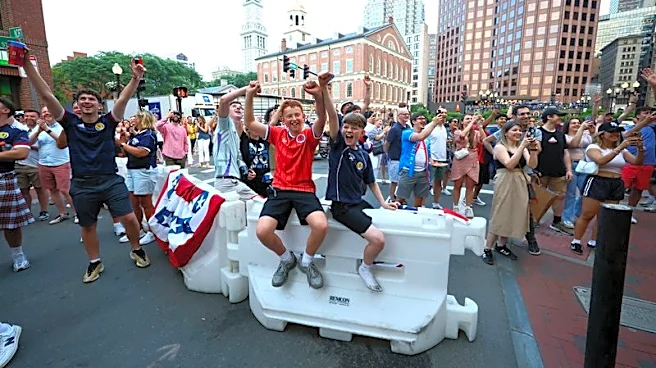
Absolutely. A thousand times, yes. The secret of the World Cup is that the best of it happens outside the stadium. For every one person with a ticket, there are dozens more celebrating in the streets, bars, and fan zones. Every host city will have a designated FIFA Fan Fest, which is the epicenter of the party. It’s free to enter and features live music, food from around the world, and every single match broadcast on enormous screens. The energy is electric. Fans from Argentina will be singing next to fans from Senegal, all sharing a love for the game. Not having a ticket doesn’t mean you miss the World Cup; it just means you experience it with thousands of your new best friends in the heart of the city.