


The Unseen Architecture
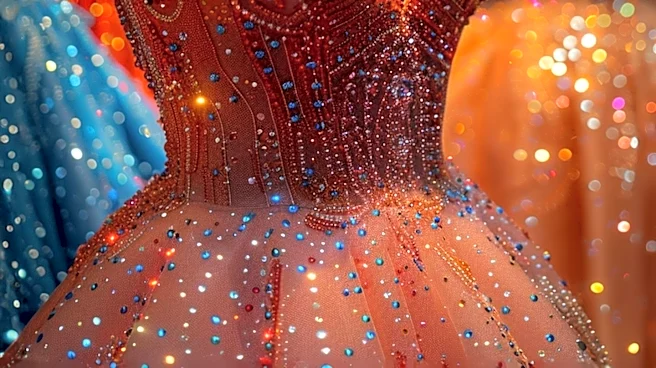
Before a single bead is sewn, a heavily embellished gown is an architectural challenge. The sheer weight of glass, crystal, or pearl beads can distort and even tear delicate fabrics. Designers must choose a base material, like a sturdy satin or reinforced
mesh, that can support the load without sagging or stretching unnaturally. The beadwork itself is often part of the design's core structure, not just a surface decoration. A well-constructed beaded gown requires significant internal support, such as boning or a structured bodice, to carry the weight so it doesn't all hang from the wearer's shoulders. This internal framework ensures the dress maintains its shape and distributes the weight comfortably, preventing the garment from pulling awkwardly or rotating on the body.
The Economics of Embellishment
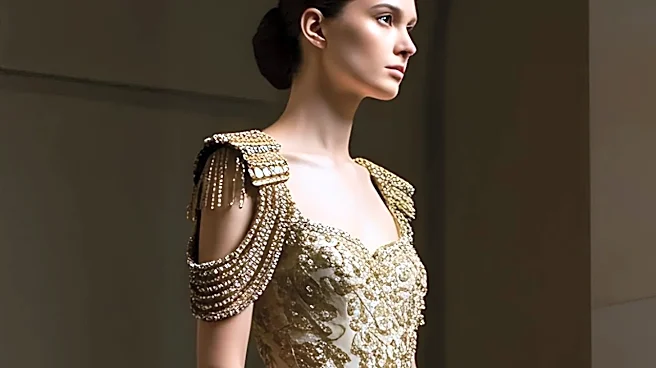
The price tag on a hand-beaded dress reflects more than just the cost of materials; it reflects time. A single couture gown can require hundreds, or even thousands, of hours of painstaking labor. Artisans sew each bead individually, a process that cannot be fully mechanized without sacrificing quality. This intense, skilled work is the primary driver of cost. While machine-beading offers a more affordable alternative, hand-sewing allows for greater dimension and durability, as each bead is individually anchored. Altering a beaded gown is similarly complex and expensive, often requiring a tailor to remove beads by hand, make the adjustment, and then reapply them to preserve the original pattern. This makes even a simple hem adjustment a significant undertaking.
The Experience of the Wearer
Wearing a heavily beaded dress is a physical experience. The weight, which can be substantial, affects posture and movement. While the gown's structure is designed to help manage this, a wearer will still be conscious of its presence. Dancing or even sitting for long periods can be different in a heavily beaded garment; mobility can be limited, and a dense pattern of large beads can be awkward to sit on. Furthermore, the way the dress moves is entirely different. The weight gives it a unique drape and sway, while the countless individual beads catch the light from different angles, creating a dynamic shimmer that flat fabric can't replicate. The wearer becomes part of a kinetic sculpture, where light and movement are in constant play.
A Symbol of Status and Story
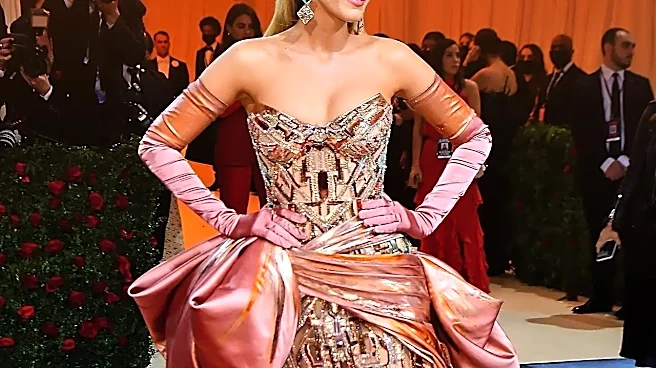
Throughout history, beading has been a powerful symbol of wealth, status, and celebration. From the faience bead-net dresses of ancient Egypt to the jet-beaded mourning attire of the Victorian era, embellishment has always told a story. The 1920s saw beading explode in popularity, with flapper dresses that shimmered with the energy and rebellion of the Jazz Age. The sparkle was practical, designed to catch the glow of newly popular incandescent lights. In nearly every culture, intricate beadwork has signified a special occasion, from royal ceremonies to religious rituals. Today, on red carpets and at weddings, a beaded gown continues to signal a moment of peak glamour and investment in artistry, transforming the clothing into a wearable work of art.