





That perfect sweater or top with the effortlessly chic, roomy sleeves—it’s a wardrobe hero until you try to put a coat on. The dolman sleeve is a master of this contradiction, a design that can be both a layering dream and a baffling puzzle.
First, What Exactly Is a Dolman Sleeve?
Often called
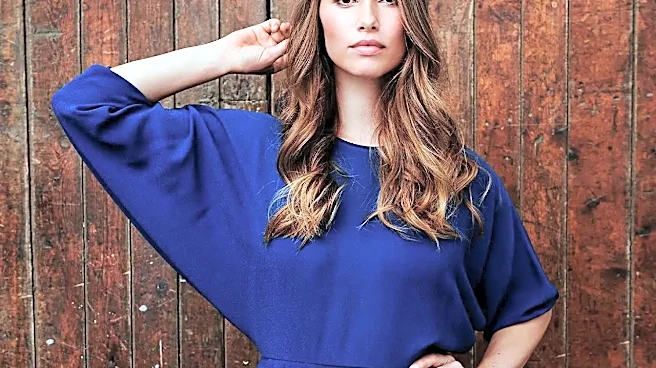
a 'batwing' sleeve, the dolman is defined by its construction: the sleeve is cut as part of the main body of the garment, not attached separately. This creates a very deep, wide armhole that extends from the shoulder, sometimes as far as the waist, before tapering to a fitted cuff at the wrist. The result is a soft, draped, wing-like shape that offers a relaxed silhouette. This style has roots in Turkish robes and was popularized in Western fashion in various forms, from the 1870s to the 1980s and into today. Its main appeal is the combination of comfort and elegance; the roominess provides freedom of movement, while the taper at the wrist prevents the shape from looking sloppy.
The Easy Part: Layering Underneath
Here’s where the dolman sleeve shines as a layering champion. Because the armhole and upper sleeve are so spacious, it’s the perfect piece to wear over other items. You can easily slip a dolman-sleeve sweater or cardigan over a long-sleeved tee, a fitted turtleneck, or a silk camisole without any of the bunching or pulling you might get with a standard set-in sleeve. The extra fabric drapes comfortably over your base layers, providing warmth and dimension without feeling restrictive. This makes dolman-sleeve tops ideal for transitional weather, allowing you to build up or strip down your outfit as the temperature changes throughout the day. The inherent roominess means less friction and more comfort.
The Hard Part: The Outerwear Challenge
The very feature that makes layering underneath so easy is what makes layering on top so difficult. When you try to stuff the voluminous fabric of a dolman sleeve into the tailored armhole of a traditional blazer, leather jacket, or fitted coat, you run into a problem: there’s simply nowhere for the extra material to go. The fabric bunches up uncomfortably around the armpit and shoulder, creating awkward lumps that are not only unsightly but also restrict movement. This has been a long-standing style conundrum for fans of the silhouette. Trying to force it can make your arms feel like sausages and ruin the clean lines of your outerwear.
Solution 1: Choose a Compatible Outer Layer
Instead of fighting your jacket, the simplest solution is to choose an outer layer designed to accommodate the sleeve’s shape. Capes and ponchos are obvious winners, as they have no restrictive sleeves at all and simply drape over the entire look. Another excellent option is a 'cocoon' coat or an oversized coat, both of which feature lower, roomier armholes and a less structured fit. You can also look for jackets and coats that have dolman or raglan sleeves themselves, as they will mirror the cut of your top and provide the necessary space. The key is to match volume with volume, ensuring your outermost layer has enough space to handle what’s underneath without a fight.
Solution 2 : Master the Fabric and the Fold
If you’re determined to wear your dolman top with a more traditional coat, success comes down to two factors : fabric choice and technique . First , opt for dolman - sleeve tops made from thin , drapey materials like silk , modal , or lightweight knits . A chunky knit will almost always be too bulky , but a slinkier fabric has a better chance of cooperating . Second , master the art of the strategic fold . Before putting on your jacket , create one single , large , neat fold in the sweater sleeve , holding it flat against your arm as you slide it into the coat sleeve . This prevents the random , lumpy bunching that happens when you just push your arm through . It’s a deliberate little trick that can make all the difference between a stylish look and a frustrating mess .