




The Challenge: A Sea of People
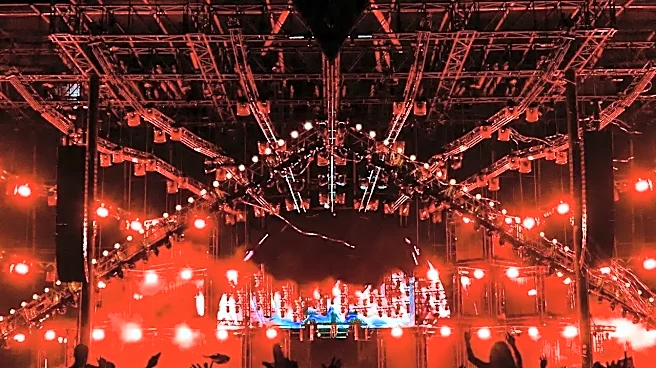
At a sprawling event like Austin City Limits, with nine stages and crowds stretching across Zilker Park, an artist's biggest challenge isn't just sounding good—it's being seen. From the back of the lawn, intricate details vanish. Performers become specks.
To combat this, artists and their stylists must think like graphic designers. Their goal is to create an immediate visual identity that can be understood from a great distance, cutting through the visual noise of lights, screens, and tens of thousands of other people. The outfits you see on stage are rarely casual choices; they are calculated tools designed to command attention and project a persona all the way to the festivalgoer enjoying the show from a picnic blanket.
Color as a Weapon
The simplest and most effective tool for being seen is bold, strategic color. Busy, small patterns that look great up close often blur into a muddy mess from 50 feet away. Instead, performers opt for solid, high-contrast color blocks. Think of a singer in a head-to-toe neon green outfit or a band dressed in stark, matching white. These monochromatic choices create a single, powerful field of color that the human eye can easily track, even amidst chaotic stage lighting. Color choice can also reinforce an artist's brand or the mood of their music—a fiery red for a high-energy rock set or an ethereal blue for a dreamy pop performance. The color isn't just a fashion statement; it's a beacon.
Silhouette Is the Signature
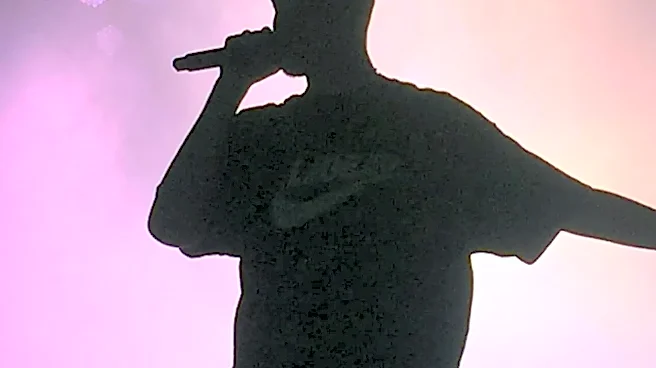
If color is what first gets your attention, silhouette is what makes the artist instantly recognizable. From a distance, the body's outline, or silhouette, is far more important than any detail on the clothing itself. This is why you see performers embracing exaggerated shapes: massive shoulder pads, a dramatic flowing cape, a uniquely shaped hat, or wide-leg pants that alter the human form. These elements create a distinct and memorable icon. A generic t-shirt and jeans combo makes a performer look like any other person on stage, but a unique silhouette turns them into a character, a specific visual signature that can't be mistaken for a roadie or a backup musician. It's about creating a human logo that is readable from anywhere in the park.
Fabric, Movement, and Light
The final layer of this visual strategy is the interplay between fabric, movement, and light. An outfit has to do more than just look good standing still; it has to perform. Materials with specific properties are chosen to enhance the show, especially after the Texas sun goes down. Sequins, metallics, and reflective materials catch and scatter stage lights, creating flashes of brilliance that draw the eye with every move. Fringe and other flowing fabrics accentuate an artist's motion, making their movements appear bigger and more dramatic from afar. These choices ensure the visual experience is dynamic. A simple turn or jump becomes a captivating moment of light and motion, adding another layer of spectacle that ensures the performance's energy reaches every corner of the crowd.