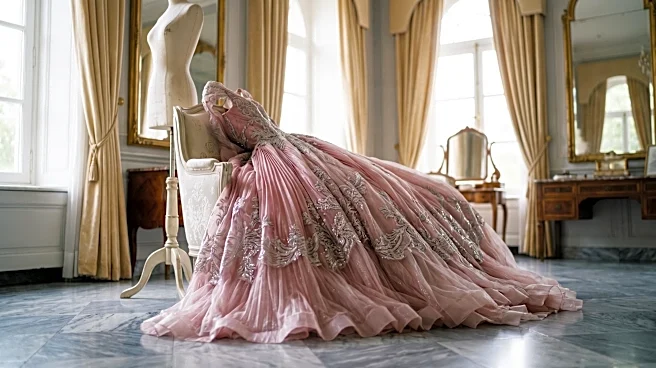






She descends in a bubble, clad in shimmering pink, the very picture of goodness. Yet, for many 'Wicked' fans, Glinda's virtue is the show's most fiercely debated topic. Her journey from popular girl to 'Glinda the Good' is far from straightforward.
The Girl in the Bubble
On
the surface, Glinda is everything the Land of Oz values: beautiful, charming, and overwhelmingly popular. Her journey in 'Wicked' starts with her as the queen bee of Shiz University, a young woman who is admittedly superficial and self-absorbed. The musical frames her as the embodiment of privilege. She believes in the system because the system has always worked for her. Her worldview is simple: be popular, be pleasant, and you will be rewarded. This initial characterization isn't just for laughs; it sets up the central conflict. When she meets the green-skinned, cynical Elphaba, their dynamic—encapsulated in the song 'What Is This Feeling?'—is one of immediate opposition. Glinda represents the conformist ideal that Elphaba, by her very existence, challenges.
The Case for Complicity
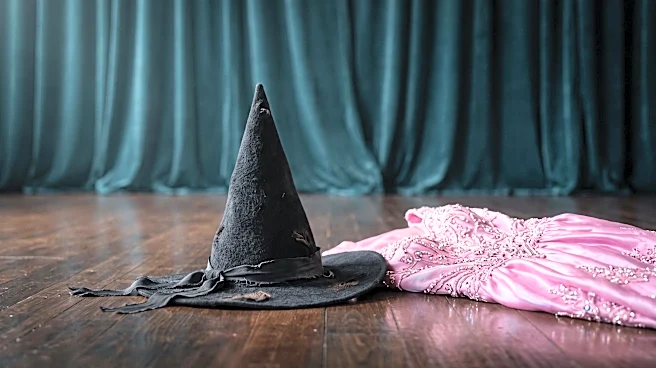
The argument that Glinda is, at best, morally compromised and, at worst, a villain, hinges on her actions and inaction. Fans point to her early cruelty, like the prank involving the pointy black hat, as evidence of a mean streak hidden beneath the bubbles. More significantly, they cite her complicity in the Wizard's fascist regime. While Elphaba chooses to 'defy gravity' and fight the systemic oppression of the Animals, Glinda chooses to stay. She accepts the role of the Wizard's pretty, smiling mouthpiece, becoming the face of a government she knows is corrupt. This decision is often seen not as a strategic choice but as an inability to resist the allure of power and public adoration. As Fiyero accuses her, 'You can't leave because you can't resist this'. For years, she benefits from a system that scapegoats her supposed best friend, only taking a stand after it's too late for many.
An Agent of Change from Within?
However, to label Glinda a villain is to flatten the musical's core message. Her defenders argue that her character arc is one of the most realistic and powerful in modern theatre. She begins as a product of her privileged environment but is slowly changed by her friendship with Elphaba. Her decision to stay in the Emerald City is interpreted by some not as cowardice, but as a different, more pragmatic form of activism. Where Elphaba is a radical firebrand, Glinda learns to work within the corrupt system to eventually dismantle it. She doesn't have Elphaba's innate strength or rebellious spirit. Instead, her journey is about learning to be good. By the end of the show, she banishes the Wizard and imprisons Madame Morrible, finally using her hard-won influence to enact real change. This perspective argues that Glinda truly earns her title, becoming 'Good' through difficult choices and personal growth.
Why the Debate Is the Whole Point
Ultimately, the division over Glinda's accountability is not a flaw in the story but its central thesis. 'Wicked' is fundamentally about the complexity of good and evil, and how history is written by those in power. The musical deliberately presents two protagonists who represent different responses to injustice. Elphaba is the revolutionary who fights from the outside, while Glinda is the reformer who changes things from within. Neither path is presented as unequivocally right or easy. The story's brilliance lies in this ambiguity. The fact that fans can passionately argue whether Glinda is a hero, a villain, or something in between proves that the musical has succeeded. It forces the audience to question their own definitions of goodness, complicity, and what it truly means to make a difference.