





The Sitcom Is in a Slump
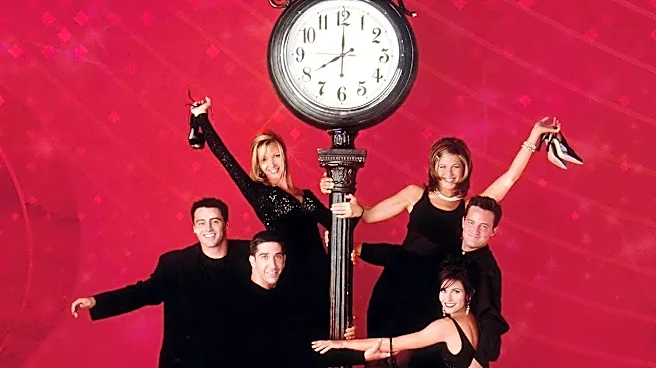
Let’s be honest: the traditional sitcom has been going through a rough patch. For decades, the 22-minute, laugh-track-laden format was a reliable machine for creating comedy icons. But in the age of streaming, the very structure of these shows feels increasingly
dated. Audiences, who now prefer to binge-watch entire seasons, have gravitated toward more complex, serialized narratives. The result is a landscape where fewer new, breakout sitcoms are being made, and the ones that do appear struggle to achieve the cultural ubiquity their predecessors enjoyed. This has created a vacuum, leaving viewers searching for humor in new and unexpected places. As high-concept dramas and limited series have come to dominate the conversation, they have also, perhaps unintentionally, begun to absorb comedy’s role.
Humor Hits Harder Under Pressure
The secret weapon of the modern drama is the power of contrast. In a sitcom, you expect a joke every thirty seconds. In a dark, high-stakes drama, a moment of genuine levity can feel like a gasp of fresh air. It works as a release valve for tension, making the humor feel more earned and surprising. Think of the gallows humor in shows like Barry or the acid-tongued insults traded in the middle of a corporate backstabbing on Succession. The humor in these shows isn't just filler; it deepens our understanding of the world. The joke is often a coping mechanism for the characters, a suit of armor against a tragic or catastrophic reality. This juxtaposition of light and dark makes the funny moments funnier and the dark moments even more profound, creating a richer viewing experience that a straightforward comedy often can't match.
Look for Laughs in This Fall's Dramas
So, as the Fall 2026 season kicks off, don't be surprised if the character everyone is quoting isn't on a multi-cam comedy. It might be someone like the perpetually exasperated, coffee-addicted opposition researcher in the dense political thriller The Chicago Gambit, whose deadpan one-liners are the only thing keeping him sane. Or perhaps it will be 'Chip,' the sardonic and passive-aggressive ship AI from the gritty sci-fi epic Orbital, who copes with the isolation of deep space by mercilessly roasting its human crew. These are the characters who will deliver the kind of humor that resonates today: born from stress, rooted in deep characterization, and deployed as a shield against a hostile world. The laughter they provide feels more real because it comes from a place of pain, a core principle that many great comedians understand intimately.
Character Is the New Punchline
Ultimately, the humor we're finding in dramas is more character-driven. A sitcom joke can be delivered by anyone. A dramatic one-liner, however, usually comes from a very specific place—a character's unique worldview, their flaws, or their desperate attempt to maintain control. The funniest lines in prestige television aren't just gags; they are revelations. They tell you everything you need to know about who a person is. This is a more sophisticated form of storytelling, one that trusts the audience to appreciate humor that isn't highlighted with a laugh track. It rewards viewers for paying close attention not just to the plot, but to the people navigating it. The laugh isn't the point; it's the byproduct of a well-drawn, complicated human being trying to get through their day.