






Start With a ‘Bridge’ Piece
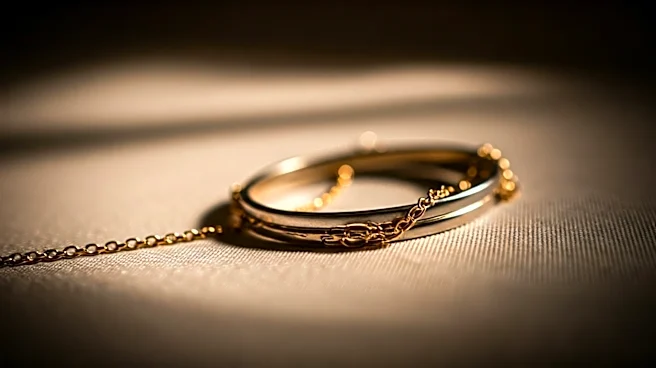
The simplest way to make a mixed-metal look feel deliberate is to start with a single item that already combines both gold and silver. This is known as a “bridge” piece, and it acts as an anchor that visually justifies the entire combination. Think of
a two-tone watch, a ring with both silver and gold inlay, or a pendant that features elements of each metal. This one item gives you permission to branch out, tying your all-gold and all-silver pieces together into one cohesive story. It’s the perfect entry point for anyone new to mixing metals because it makes the whole look feel planned and polished from the start.
Let One Metal Take the Lead
A common mistake that creates visual clutter is aiming for a perfect 50/50 split between gold and silver. This can make the metals compete rather than complement each other. Instead, a professional approach is to choose a dominant metal and use the other as an accent. A good guideline is a 70/30 or 60/40 split. For example, if you love gold, let your primary necklaces and earrings be gold, then introduce a silver ring or a single silver bracelet. This creates a clear visual hierarchy, allowing one metal to set the primary tone while the other adds a pop of contrast and dimension. The result is a look that feels balanced and intentional, not random.
Create Cohesion Through Repetition
To avoid making your mixed metals look like an accident, ensure you repeat each metal more than once. A single, isolated silver ring in a sea of gold can feel out of place or like a mistake. The secret is to create a visual rhythm. If you wear a silver bracelet, for instance, echo it with a pair of silver earrings or another silver ring. This repetition creates a sense of purpose and balance across your entire look. Distribute the metals across different areas—your neck, wrists, and fingers—to maintain this balance and prevent one side from feeling heavier than the other.
Pay Attention to Texture and Finish
Mixing metals isn't just about color; it's also about texture. Combining different finishes adds depth and sophistication. For example, you can pair a smooth, polished gold piece with a hammered or brushed silver item. This contrast in texture makes the combination more interesting and prevents it from looking flat. Similarly, try to keep the overall style consistent. If you're wearing sleek, modern pieces, don't throw in a chunky, ornate vintage item unless you're intentionally creating a very eclectic look. Sticking to a similar aesthetic—whether it's minimalist, bohemian, or classic—helps unify the different metals.
Layer with Varying Proportions
When stacking or layering, proportion is key to avoiding a jumbled mess. Mix chains of different lengths to ensure each piece has its own space and doesn't tangle. This is especially effective for necklaces, where a delicate gold choker can be paired with a longer, mid-weight silver pendant. The same principle applies to bracelets and rings. Don't be afraid to mix a thicker, bolder piece with a few daintier ones. A chunky silver cuff, for instance, might pair beautifully with delicate gold rings. This interplay of bold and delicate creates a dynamic, curated stack that highlights each piece individually while contributing to a harmonious whole.