





A Film Festival Within a Film Festival
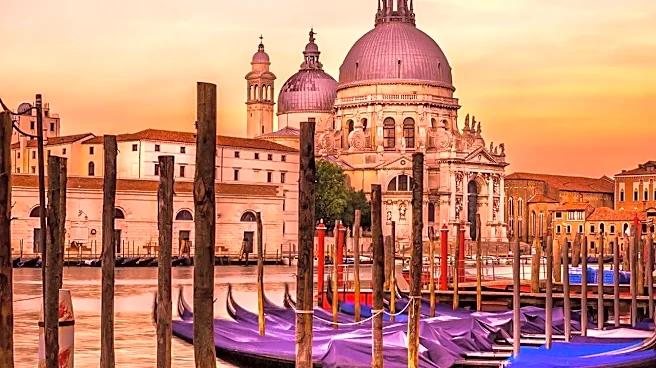
The Venice International Film Festival, the world's oldest, is synonymous with glamorous premieres and cutting-edge new works. But since 2012, a prestigious section called Venice Classics has operated alongside the main competition, dedicated to showcasing
masterpieces from the past. Curated by the festival's director, this program presents a selection of the best recent restorations of classic films from archives and production companies across the globe. Its purpose is twofold: to celebrate cinema history and to present these films to contemporary audiences in the best possible viewing conditions, ensuring their artistic legacy endures. For the general public and filmmakers alike, it’s a curated journey through the moments that shaped the art form.
The Ultimate Student Jury Duty
The core of the program's connection with students lies in its unique jury. Instead of seasoned industry veterans, the Venice Classics Award for Best Restored Film is decided by a jury composed entirely of film students. Each year, a group of around two dozen students, nominated by film studies professors from Italian universities, is selected for this remarkable task. Chaired by an established director, this jury is given the responsibility of watching the entire slate of restored classics—often close to 20 films—and deliberating to choose a winner. This isn't just a passive viewing experience; it’s an immersive, critical engagement with film history, forcing students to analyze, debate, and appreciate the art of restoration itself.
Beyond the Screening Room
While the jury is the most formal role, the festival environment provides countless other learning opportunities. Students with accreditation can attend screenings across various festival sections, participate in masterclasses with legendary directors, and attend panels discussing the state of the industry. The program aims to foster a dialogue between generations. For many students, it's their first time seeing iconic films on the big screen, projected from pristine prints, allowing them to understand the aesthetic and technical choices of past masters in a way a laptop screen never could. This direct exposure helps contextualize their own creative ambitions within the broader sweep of cinematic evolution, from Italian Neorealism to the French New Wave, movements the Venice festival itself helped launch.
Appreciating the Art of Restoration
The Venice Classics program implicitly teaches a crucial lesson: film is a physical medium that degrades over time. By showcasing newly restored works, it puts the craft of film preservation center stage. While students may not be in the labs doing the work themselves, the program often includes detailed notes on the restoration process, highlighting the technical and ethical challenges involved. They learn how technicians at film archives painstakingly repair damaged negatives, correct color fading, and restore sound. In a city like Venice, where art conservation is a part of its DNA, the focus on restoration feels particularly resonant. This exposure inspires a deeper respect for the medium and the unseen artisans who ensure its survival.
Why This Connection Matters
In a digital-first world, it's easy for young filmmakers to see cinema history as a static, easily accessible archive. Venice Classics shatters that illusion. It reframes classic cinema as a living, breathing entity that requires active participation to be sustained. By placing students in the judge's seat, the program empowers them and instills a sense of custodianship over film heritage. They are not just consumers of old movies; they are recognized as the future guardians of the art form. This experience shapes their understanding of cinema not merely as entertainment, but as a cultural legacy—one they are now directly connected to and responsible for carrying forward.