


The Myth of Your 'True' Size
First, let's get one thing straight: your size is not a fixed, universal number. The fashion industry practice of 'vanity sizing' means that a size 8 from one brand can have the same physical measurements as a size 12 from another. Brands intentionally
label clothes with smaller sizes to make shoppers feel good, boosting self-esteem and, they hope, sales. This inconsistency is the main reason you might be a medium in one store and a large in another. Furthermore, there is no mandated sizing standard in the U.S., so each company creates its own size chart based on its ideal customer profile. Add in different fabric types—a rigid, non-stretch cotton versus a forgiving jersey knit—and it becomes clear that focusing on a single number is a losing game.
When Sizing Up is the Smart Move
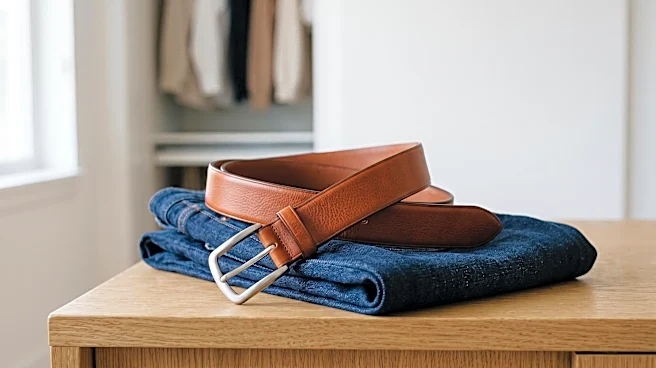
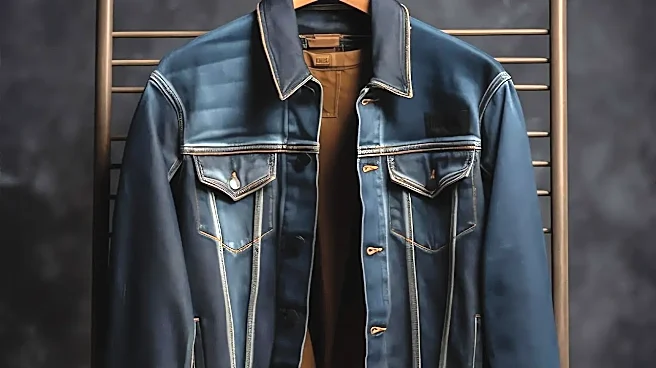
Intentionally choosing a larger size can be a strategic move for both comfort and style. The most important factor is often the fabric. For garments made from non-stretch or rigid materials like 100% cotton denim, linen, or structured wool, sizing up is often necessary. A garment with no give will feel restrictive and uncomfortable if it's too snug, and you'll often see tell-tale pulling across the fabric. Sizing up can provide needed room for movement. It's also a wise choice for outerwear or pieces you intend to layer. A coat needs to fit comfortably over a sweater, not just a thin t-shirt. Finally, if you're aiming for a deliberately relaxed or 'oversized' aesthetic, sizing up is the obvious path—though it's often better to buy a garment designed to be oversized, as it will have the right proportions.
A Garment-by-Garment Guide
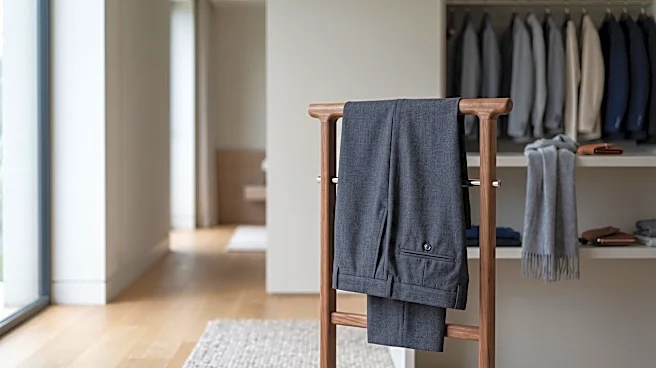
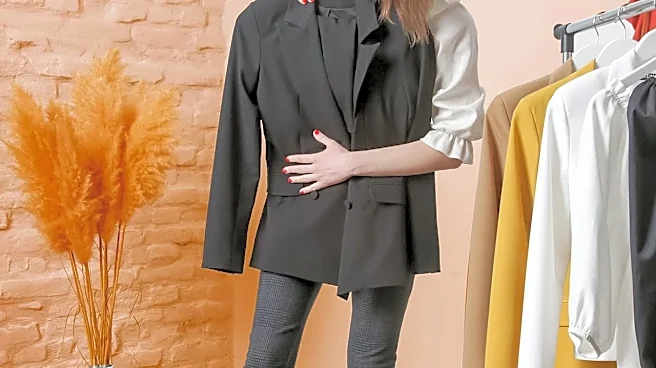
Not all clothing benefits from a larger size in the same way. For blazers and jackets, fit across the shoulders is the most critical point. If a blazer is too tight in the shoulders, it will restrict your movement, but this is the hardest part to alter. It's often best to size up to fit your shoulders and have a tailor take in the waist. For sweaters and knits, sizing up can create a cozier, more relaxed drape. For trousers and jeans without stretch, size up to fit the widest part of your hips or thighs; the waist is a relatively easy and inexpensive alteration. With button-down shirts, a common issue is gaping at the bust. If you experience this, sizing up and tailoring the waist can solve the problem while maintaining a polished look.
The Limits of Sizing Up
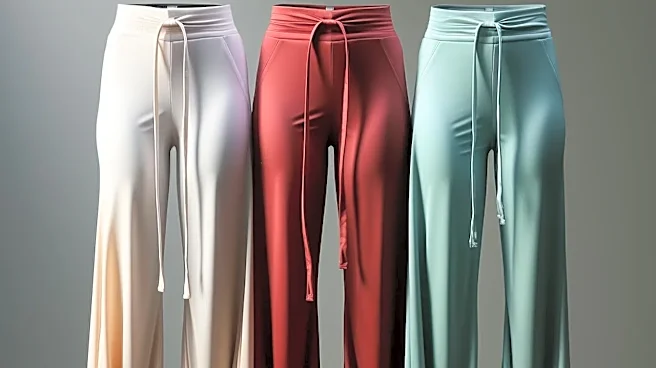
Sizing up isn't a universal solution. For garments with significant stretch, like activewear or anything with a high spandex content, sticking to your true size or even sizing down is often better. The stretch is designed to hug your shape, and a larger size can look baggy and lose its form. For items that are meant to be slim-fit or highly structured, sizing up can distort the intended silhouette. A tailored dress that’s too large won't just be loose; the darts, waistline, and seams will all fall in the wrong places, making it look ill-fitting rather than intentionally oversized. In these cases, a larger size doesn't improve the fit—it just makes it wrong in a different way.
Your Tailor Is Your Secret Weapon
Ultimately, the key to a perfect fit often lies with a good tailor. Most off-the-rack clothing is made for a 'standard' body that few people actually have. The smartest shopping strategy is often to buy clothes that fit the largest part of your body and have the rest taken in. It's much easier for a tailor to make something smaller than to make it larger, as they are limited by the amount of extra fabric in the seams. A few simple alterations—hemming trousers, taking in a jacket's waist, or adjusting sleeve length—can make an affordable garment look like it was custom-made for you. This approach frees you from the tyranny of sizing and puts the focus back where it belongs: on a fit that makes you feel comfortable and confident.