




Prioritizing Architects Over Algorithms
The core genius of Hip Hop Honors was its fundamental mission: to celebrate legacy and influence, not just commercial success. While other shows focused on the year's chart-toppers, this event dedicated its entire runtime to the architects of the culture.
The first ceremony in 2004 set the tone, honoring foundational figures like Kool Herc, Run-DMC, and Public Enemy. This wasn't about who had the hottest single; it was about acknowledging the artists who laid the very groundwork that the modern industry was built upon. By deliberately honoring old-school and golden-age contributors, the show sent a powerful message: history matters. It was one of the few platforms where pioneers who might be overlooked by a younger, commercially driven audience were given the main stage, their flowers presented in primetime.
Celebrating the Four Pillars
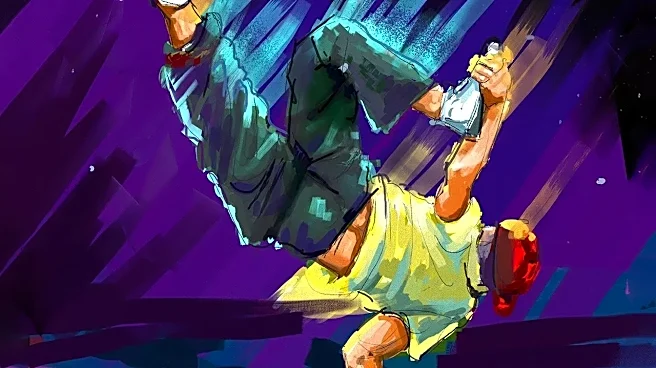
Hip hop is more than just rapping, and Hip Hop Honors understood that in its bones. The show consistently made space to celebrate the entirety of the culture. The inaugural event, for example, specifically honored the Rock Steady Crew for B-boying and even paid tribute to the art of graffiti. This holistic view separated it from competitors that often reduced hip hop to its most marketable element—the MC. Honorees included DJs, producers, and even influential films like Wild Style and Boyz n the Hood. This approach reinforced the interconnectedness of the culture’s elements, presenting a complete and respectful picture. It was a yearly reminder that the beats, the breakdances, the art, and the rhymes were all part of the same beautiful, revolutionary movement.
The Art of the Tribute Performance
Perhaps the most beloved segment of the show was its iconic tribute performances. These were not quick, throwaway medleys. Instead, younger artists who were directly influenced by the legends took the stage to meticulously and passionately recreate classic tracks. You'd see Common and Black Thought pay homage to Big Daddy Kane, or Teyana Taylor deliver a show-stopping, detail-perfect tribute to Lil' Kim. These moments were electric, bridging generations and showcasing a genuine reverence for the craft. The performances served as both entertainment and education, demonstrating the direct lineage of style and inspiration. When Big Daddy Kane himself emerged to finish his own tribute performance, it wasn't just a great TV moment; it was a transfer of energy, a sign of respect passed from one generation to the next.
An Unfillable Void
The show ran annually from 2004 to 2010, returning for special editions in 2016 and 2017 to honor the queens of hip hop and ‘90s game-changers. But its absence as a regular event has left a noticeable void. In today's landscape, other shows like the BET Hip Hop Awards carry the torch for celebrating the culture, particularly with their famous cyphers and commitment to Black artists. Yet, the specific focus of Hip Hop Honors—its almost academic dedication to history—remains unique. It was a show built on gratitude. It never felt cynical or commercially desperate; it felt like a family reunion where the elders were finally given the best seats in the house. That feeling is why, even years after its last broadcast, it’s remembered not as an awards show, but as a love letter.