

The Foundation: Fabric and Heat
Before we get to the hidden detail, it's important to understand the basics. The longevity of a pleat starts with the fabric. Natural fibers like cotton and silk can be folded and pressed, but they have a tendency to relax and lose their shape, especially
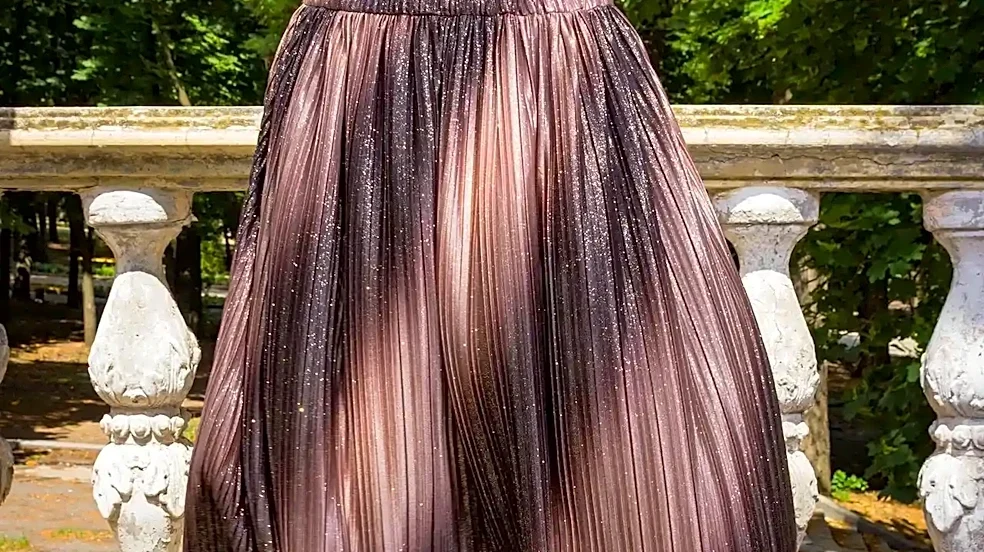
after washing. The real workhorse of the pleating world is synthetic fabric, most notably polyester. Polyester is thermoplastic, which means it can be molded with heat. In a process called heat-setting, manufacturers fold the fabric into the desired pleats and apply intense heat and pressure. This permanently 'bends' the fibers, creating sharp, durable pleats that can survive both washing and wearing without needing to be re-pressed every time.
The Problem with Gravity
While heat-setting creates the permanent crease, it doesn't solve a fundamental problem: gravity. Even perfectly set pleats need support to hang correctly and move with life and bounce. Without it, the weight of the skirt can pull the folds downward, making them look limp and lifeless. Cheaper garments often skip the next step, which is why a fast-fashion pleated skirt can sometimes feel a bit sad and deflated. A truly well-made skirt needs something more to give it that buoyant, structured look that makes it so appealing. This is where the real secret comes into play, a detail hidden away from sight.
The Hidden Detail: Horsehair Braid
The unsung hero holding your favorite pleated skirt in shape is often a stiff, mesh-like trim sewn into the hem called horsehair braid or crinoline. Don't worry, it's no longer made from actual horsehair; today's version is a flexible netting made from nylon or polyester. This material, which comes in various widths, is sewn into the bottom edge of the skirt. Because the braid itself is stiff, it acts like a lightweight skeleton for the hemline. It provides just enough structure to hold the pleats out, prevent them from collapsing, and give the skirt its signature swing and flounce. When you see a skirt with a hem that seems to curl and bounce perfectly, it's almost certainly thanks to this hidden detail.
How It's Applied
Adding horsehair braid is a classic dressmaking technique. A seamstress or machine sews the braid along the raw bottom edge of the skirt on the right side of the fabric. Then, the braid is flipped to the inside and stitched down, enclosing the raw fabric edge and creating a clean, structured hem. The woven nature of the braid allows it to easily bend around curves, making it ideal for full or circle skirts where the hemline is rounded. The width of the braid used determines the effect: a wider braid creates a more dramatic, stiff flare, while a narrower one offers a more subtle bounce. It’s a labor-intensive step, but it’s what separates a high-quality garment from a flimsy imitation.
A Mark of Quality
The next time you’re shopping, take a peek inside the hem of a pleated skirt. If you feel a slightly stiff, mesh-like band, you'll know it's been crafted with this extra step. This hidden detail is a true mark of quality and thoughtful construction. It ensures the garment not only looks good on the hanger but also moves beautifully with the wearer. The presence of horsehair braid is a sign that the designer cared about the structure and longevity of the piece, creating an item that's meant to be worn and enjoyed for years, with every pleat holding its intended shape.