






The Rise and Fall of a Fashion Mandate
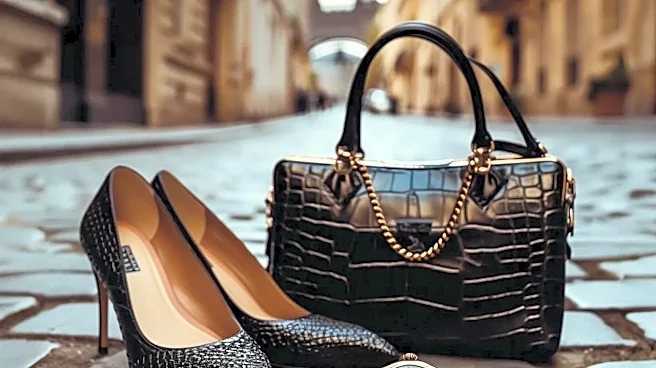
The practice of perfectly matching shoes and bags became a hallmark of a well-dressed woman in the 1950s and '60s. In a post-war world that prized polish and propriety, a coordinated ensemble signaled sophistication and attention to detail. Having a handbag
and shoes in the exact same color and material created a clean, harmonious, and put-together look that dominated formal and professional settings for years. But as fashion evolved, so did its rules. The rise of street style, the influence of fashion bloggers, and a broader cultural shift towards celebrating individuality have rendered the strict matching rule obsolete. Today's style landscape is less about rigid formulas and more about personal expression, creativity, and looking intentional—not identical.
Modern Guideline 1: Coordinate, Don't Clone
The modern approach isn't about creating a random, chaotic look; it's about thoughtful coordination. Instead of an exact match, think in terms of color families. A pair of cognac brown loafers doesn't require a cognac brown bag. It can be paired beautifully with a tote in a warmer tan, a crossbody in a deep chocolate, or a clutch in a soft cream. The key is to keep the undertones consistent. Pair warm-toned accessories (like camel, rust, and beige) together, and do the same for cool-toned items (like grey, navy, and silver). This creates a sense of harmony that feels more sophisticated and far less dated than a perfect match.
Modern Guideline 2: Let One Piece Be the Star
A great outfit often benefits from a clear focal point. If you're carrying a bold, brightly colored, or heavily embellished handbag, let it take center stage. Forcing your shoes to compete for attention can make an outfit feel busy and weighed down. Instead, pair that statement bag with neutral footwear in a shade that complements your outfit. The reverse is also true: if you’re wearing eye-catching shoes, like an animal print flat or a vibrant heel, opt for a quieter, more understated bag. This approach creates a visual hierarchy, allowing one accessory to shine while the other plays a chic supporting role.
Modern Guideline 3: Play with Texture and Material
Coordination goes far beyond color. Mixing textures and materials is a fantastic way to add depth and interest to your look. A smooth leather bag can be paired with suede shoes; a woven straw tote in the summer feels effortlessly chic with canvas espadrilles or sleek leather sneakers. The shared material can even do the work of creating cohesion when the colors are different. For example, a leather shoulder bag and leather loafers feel connected because of their texture, even if one is black and the other is burgundy. This interplay of textures makes an outfit feel richer and more thoughtfully styled.
Modern Guideline 4: When in Doubt, Neutrals Still Work
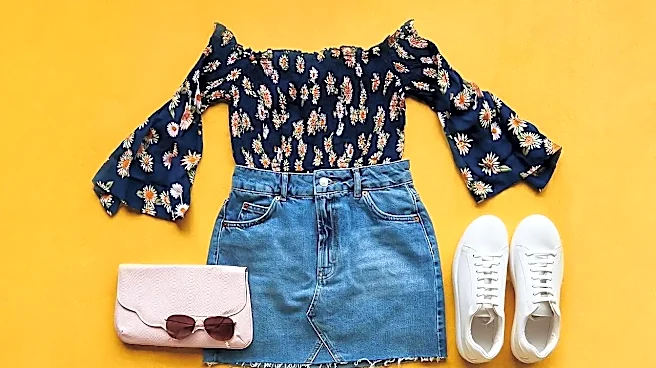
While you have full permission to break the matching rule, there are times when it still works—particularly with neutrals. Pairing a black bag with black shoes or a white bag with white sneakers rarely looks dated. It provides a clean, simple foundation that allows the rest of your outfit to stand out. Where the “matchy-matchy” look can feel costume-like is with bright, saturated colors, like a fire-engine red bag with identical red pumps. For more formal or conservative settings, sticking to a coordinated neutral look is always a safe and elegant bet. It projects polish without feeling overly rigid.