





The Tyranny of the Commercial Break
The single greatest challenge at the VMAs is the clock. During a commercial break, which lasts only a few minutes, a crew of hundreds must strike a complex set and install another. This process is a masterclass in logistics. To pull it off, production
teams often utilize multiple stages. While one artist performs, the next act's set is being assembled just out of sight, often concealed by massive, movable LED screens. For one show, set pieces were even built in the parking lot and shuttled in by large crews during the broadcast. Production designers rely on modular construction and months of planning, creating detailed blueprints that guide the 18-day on-site build. It's an intricate dance of deconstruction and reconstruction where every second is meticulously scheduled.
Building Worlds, Not Just Stages
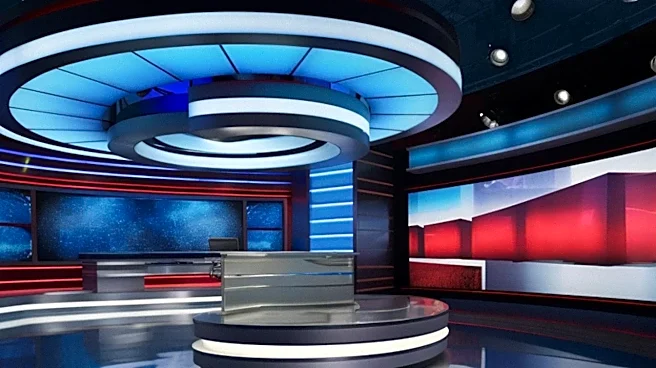
Each VMA performance is designed to be a self-contained world. This requires bespoke staging that can be both monumental and mobile. Recent shows have featured enormous LED walls over 50 feet tall, nearly 900 individual stage decks, and complex rigging that can handle hundreds of thousands of pounds of equipment. These aren't just static backdrops; they are dynamic environments with hidden lifts for dramatic entrances, catwalks connecting different performance zones, and integrated video floors. To manage this, designers use a dual-stage setup, allowing one performance to happen while the other identical stage is prepped for the next artist, ensuring no dead air. The goal is to give each of the 14 or more acts a unique visual identity while working within the immense constraints of a live arena show.
The Audio-Visual Gauntlet
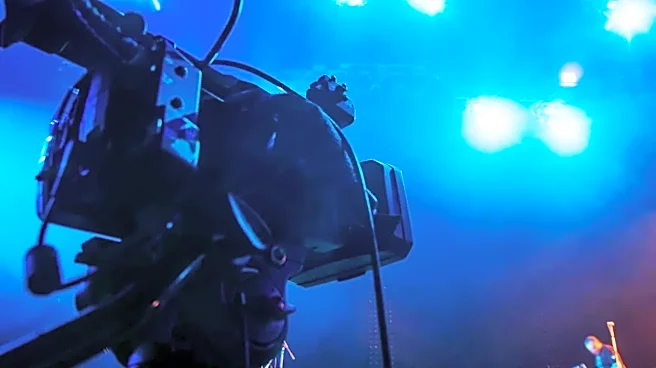
Beyond the physical sets, the audio-visual components are a massive hurdle. In an arena filled with screaming fans, ensuring clean audio is a nightmare. The audio team manages dozens of channels for wireless microphones and in-ear monitors, all competing in a crowded radio-frequency environment. Many performances blend live vocals with pre-recorded tracks to ensure broadcast-quality sound, especially during high-energy dance numbers that leave artists breathless. Visually, the lighting, screen content, and camera work are all synced. Production teams use advanced technology like Extended Reality (XR), blending physical LED screens with real-time digital graphics to create immersive worlds that look stunning on TV and social media clips. Every shot is planned, from robotic cameras on tracks to flying cable-cam systems, ensuring the final product is visually arresting from every angle.
The Human Element: Controlled Chaos
Technology is only half the battle. The entire operation hinges on flawless human communication. The key figure is the Stage Manager, who acts as the on-the-ground general, directing stagehands, cueing presenters, and solving problems in real-time. They are the link between the show caller—the director in a broadcast truck calling out every single camera cut, video roll, and lighting change—and the crew on the floor. With teams of hundreds responsible for everything from prop placement to safety checks on pyrotechnics, communication is paramount. This volatile environment is part of the show's DNA; producers embrace the potential for unscripted moments, but they rely on a highly experienced crew to ensure that the controlled chaos never spirals into actual disaster.