






Camp Flog Gnaw is a universe of sensory overload. Amid the neon rides, bold fashion, and elaborate stages, how does an artist truly capture attention? The answer, paradoxically, might be found in doing less. Here’s why a minimalist set isn’t just a choice;
it’s a power move.
The Power of Negative Space
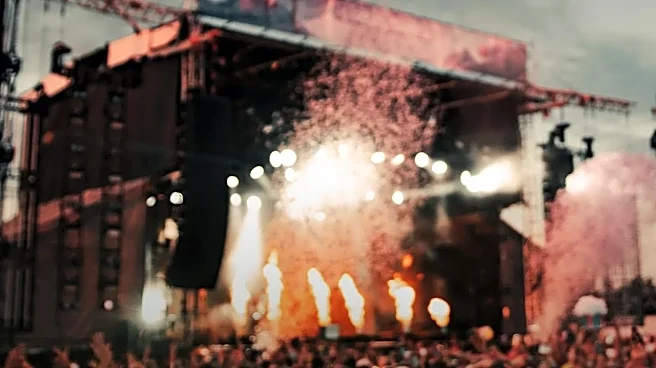
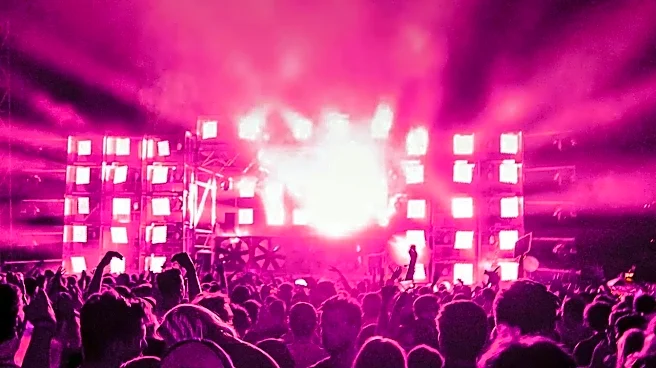
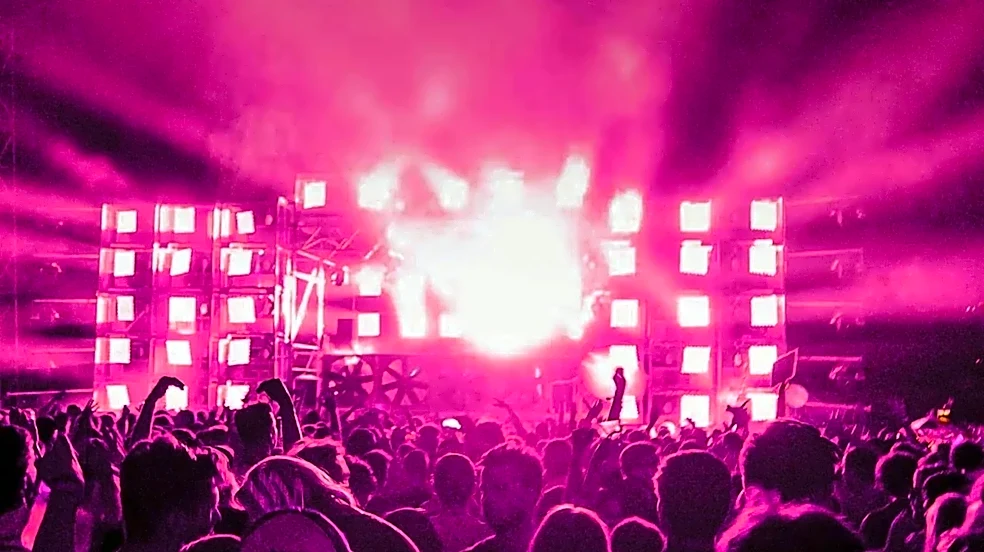
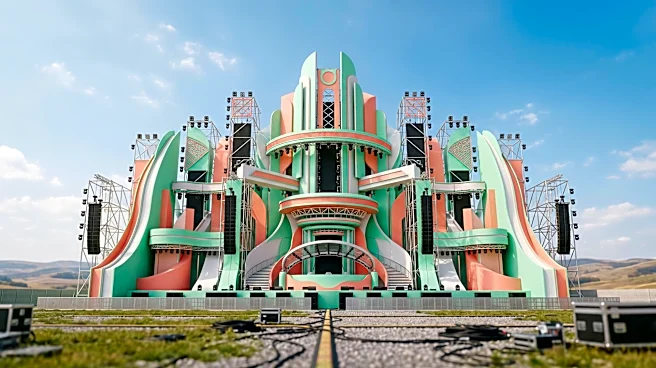
Imagine the visual landscape of a major music festival: sprawling stages, pyrotechnics, massive LED screens flashing custom visuals, and a sea of 60,000 fans creating a kaleidoscope of movement and color. It's an environment of constant stimulation. In this context, a stage that is deliberately sparse—perhaps featuring only the artist, a single instrument, and stark, intentional lighting—doesn't blend in. It does the opposite. It cuts through the noise. This use of negative space is a classic design principle. By removing clutter, you create an immediate focal point. For the audience, whose eyes have been darting between a dozen different stimuli, a minimalist stage is a visual palate cleanser. It’s an island of calm in a chaotic ocean, and the eye is naturally drawn to it. The emptiness itself becomes a statement, forcing festival-goers to lean in and ask, 'What’s happening here?'
All Eyes on the Artist
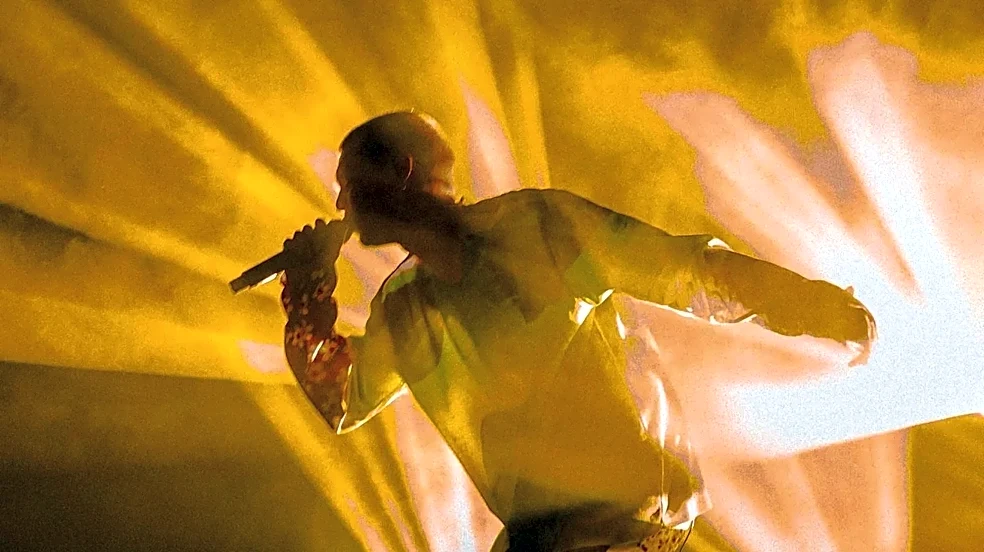
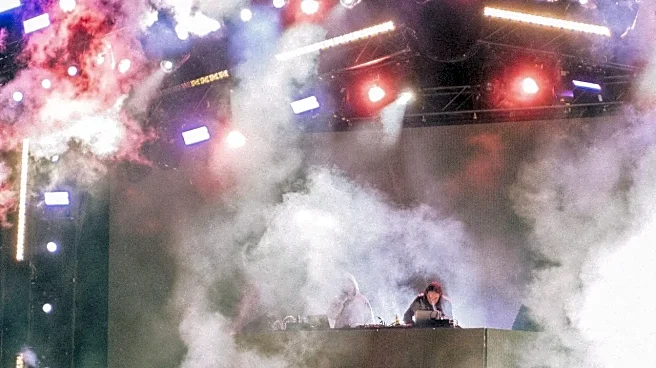
When you strip away the spectacle of elaborate sets, backup dancers, and complex video packages, what’s left? The artist. A minimalist stage forces the entire focus onto the performer's raw talent, charisma, and emotional delivery. There are no distractions to hide behind. Every note, every lyric, and every gesture is magnified. This approach was famously used by artists like Lorde during her 'Melodrama' tour, where a simple, tilting glass box was the primary set piece, serving to isolate and elevate her performance. At a festival like Camp Flog Gnaw, where the lineup is packed with magnetic personalities, this can be an incredibly effective strategy. It allows an artist like Fana Hues, who performed an intimate set with just a laptop for her music, to create a powerful connection with the audience. The performance becomes less about the production and more about the fundamental bond between the musician and their fans.
A Declaration of Confidence
Opting for a simple set in a maximalist environment is a profound statement of artistic confidence. It signals that the performer believes their music and their presence are compelling enough to hold the attention of thousands without the aid of theatrical crutches. It’s an assertion that the songs themselves are the main event. In the world of hip-hop and alternative music that defines Camp Flog Gnaw, authenticity is a highly valued currency. An artist who stands on a bare stage is implicitly trusting the strength of their work. This was seen when Earl Sweatshirt performed with a relatively simple, picnic-themed design; the focus remained on his lyrical dexterity and comfortable stage presence. This choice projects an aura of control and self-assurance that audiences respect, creating a different kind of spectacle—one rooted in mastery of the craft rather than elaborate production.
Creating Intimacy in a Crowd
It seems counterintuitive that a stripped-down stage could make an enormous outdoor venue feel intimate, but that’s often exactly what happens. Grand, cinematic productions can sometimes create a barrier between the artist and the audience, turning the performance into something to be observed from a distance, like a movie. A minimalist setup, however, can feel more like a personal invitation. The reduced scale fosters a sense of direct communication. The lighting can be used to create a tighter, more focused space, making it feel as though the artist is speaking or singing directly to you, even in a massive field. This breaks down the 'fourth wall' of performance, turning a mass gathering into a series of individual connections. The experience becomes less about watching a show and more about sharing a moment, a powerful way to leave a lasting impression long after the final chord has faded.