






The Freedom After the Fairy Tale
For nearly two decades, the narrative surrounding Lionel Messi and Argentina was one of desperate, heartbreaking pursuit. He had won everything else, but the World Cup remained a ghost haunting his legacy. The pressure was immense, a national burden placed
on the shoulders of one man. Then came Qatar 2022. By defeating France in one of the most thrilling finals in history, Messi didn't just win a trophy; he completed soccer. That victory fundamentally changes the nature of this 2026 campaign. The crushing weight of expectation has been lifted. This tournament isn't about filling the one remaining gap on his resume. Instead, it’s a victory lap, a celebration, and a chance to play with a freedom his career has rarely afforded him on the international stage. The desperation is gone, replaced by the calm confidence of a defending champion.
From Engine to Conductor
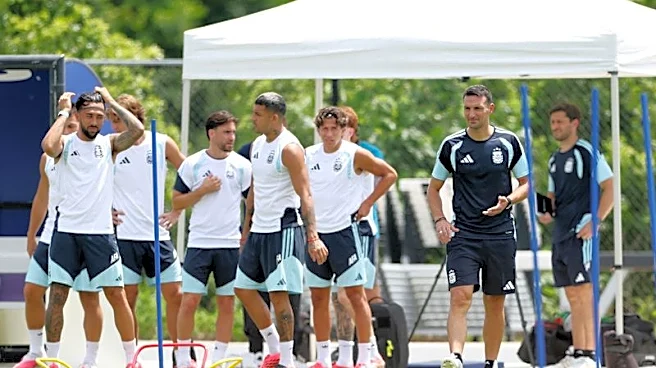
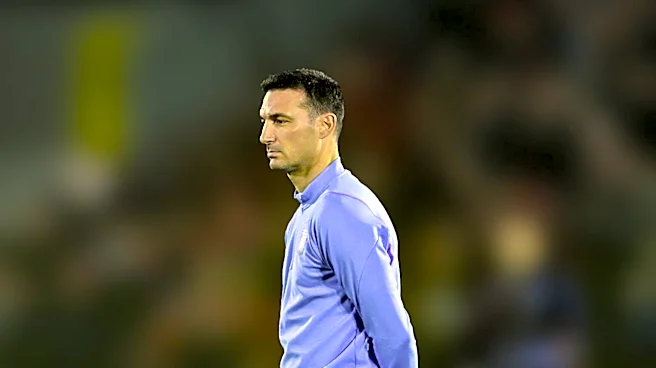
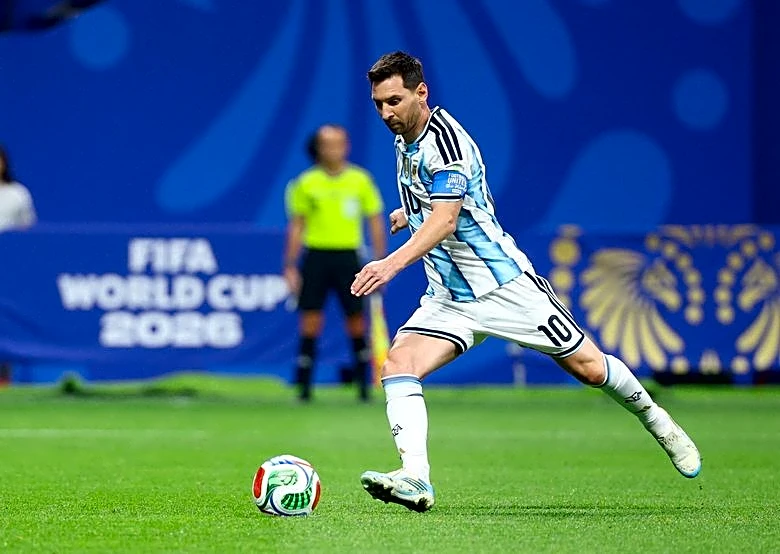
At 39 years old, Messi is not the same player who could single-handedly slice through four defenders. Modern sports science has extended careers, but it hasn't defeated time. Recognizing this, his role has gracefully evolved. He is no longer the team's primary engine but its conductor. While he remains central to everything Argentina does, his contributions are now more about vision, control, and decisive moments of brilliance rather than relentless, lung-busting runs. Coach Lionel Scaloni has built a system where a core of world-class players who were junior partners in 2022—like Julián Álvarez, Enzo Fernández, and Alexis Mac Allister—now carry more of the load. This allows Messi to conserve energy, identify the game's turning points, and apply his unparalleled genius when it matters most, making him a different, but no less dangerous, kind of threat.
The Heavy Crown of a Champion
While personal pressure may be gone, a new kind has taken its place: the historical weight of defending a World Cup title. It is one of the hardest feats in sports. Only two nations have ever won back-to-back World Cups, and the last time it happened was Brazil in 1962. In the modern era, a phenomenon known as the "champion's curse" has seen four of the last five defending champions crash out in the group stage. Every opponent is more motivated, every tactical system is analyzed, and the internal hunger that fuels a first victory can be difficult to replicate. Argentina arrives in North America not as a hungry underdog but as the team everyone wants to beat. Navigating this challenge requires a different mentality, a psychological resilience to combat the complacency and external pressures that have undone so many great teams before them.
A Final Gift to the Game
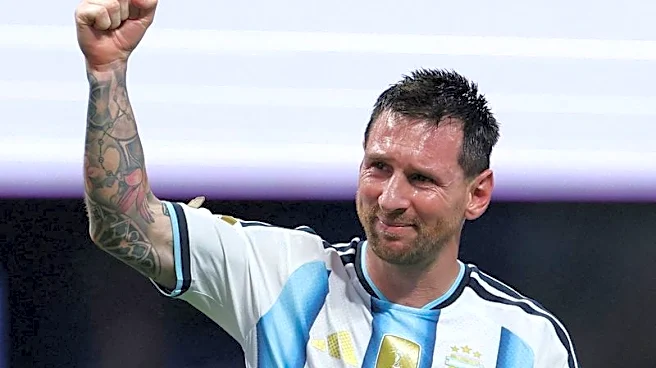
Ultimately, what makes this final run feel so different is that it’s purely a bonus—an epilogue to a story that already found its perfect ending. For fans, it's one last opportunity to watch arguably the greatest player in history perform on the biggest stage. Every goal, every perfectly weighted pass, is a gift. The narrative is no longer about whether he can achieve ultimate success, but about appreciating his sustained excellence and leadership in his record-setting sixth World Cup. He is playing for the joy of it, for his teammates, and for a country that adores him. This isn't a chase for validation. It's an encore. And for a player who has given so much to the sport, it’s a fittingly graceful way to approach the final curtain.