


Start With a Sleek Foundation
Every well-layered outfit begins with a smart base. Before you even think about the leather jacket or chunky sweater, select a close-fitting first layer. A simple, high-quality cotton t-shirt or a thin, long-sleeve top in a breathable fabric is the perfect
starting point. This piece should hug your body without being constricting, creating a smooth canvas that prevents unnecessary bunching under heavier fabrics. Avoid bulky or oversized cotton shirts as your initial layer; the goal is to trap a bit of warmth and provide a soft, matte contrast to the other textures without adding any volume. A simple crewneck or V-neck in a neutral color often works best, allowing the more prominent pieces to stand out.
Choose Your Knitwear Wisely
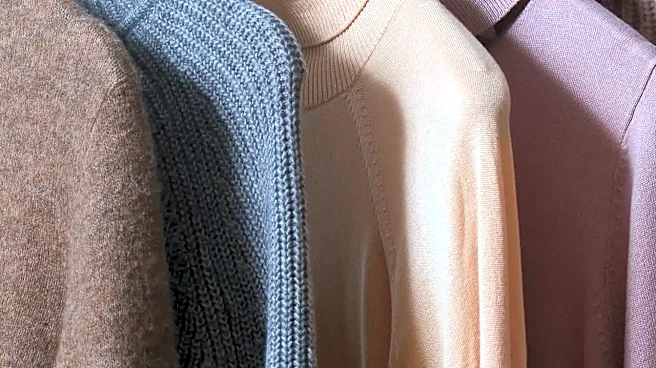
Not all knits are created equal. The difference between a streamlined look and a bulky one often comes down to the weight of your sweater. For layering, fine-gauge knits made from materials like merino wool or cashmere are your best friend. They provide significant warmth without the volume of a chunky cable-knit. You can easily tuck a fine-knit sweater into leather trousers or let it sit smoothly under a leather jacket. If you love a chunkier, more oversized knit, that’s where proportion comes into play. A heavy sweater can absolutely work, but it must be balanced. Pair a voluminous knit with slim-fitting leather leggings or a sleek leather pencil skirt to offset its size. The key is to choose one 'hero' piece to be oversized, while the rest of the outfit remains tailored.
Let Leather Provide the Structure
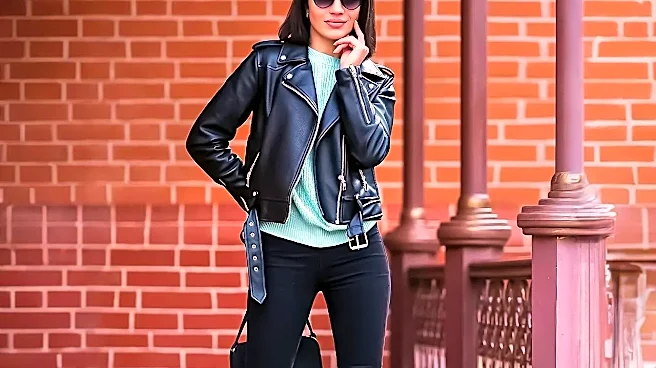
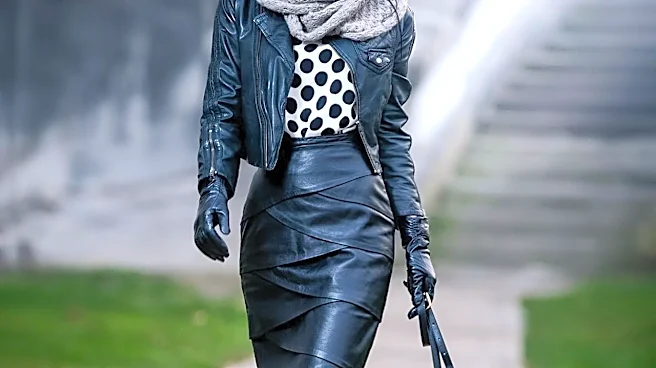
Think of your leather piece as the framework of your outfit. Unlike soft knits or relaxed cotton, leather has a natural structure that can define your silhouette. A tailored leather jacket, for instance, can cinch in the waist and create clean lines over a soft sweater. Similarly, straight-leg leather pants or an A-line leather skirt can provide a firm, flattering shape that prevents the entire look from appearing shapeless. The smooth, reflective surface of leather offers a beautiful visual contrast to the soft, light-absorbing textures of knitwear and cotton. This textural opposition is what makes the combination so compelling and visually interesting. Use the leather item to bring sharpness and edge, balancing the coziness of the other fabrics.
Master the Art of Proportion
The single most important rule to avoid looking heavy is to balance proportions. If you opt for a billowy, oversized sweater, your bottom half should be streamlined. Think slim leather pants or leggings. Conversely, if you're wearing wide-leg leather trousers or a fuller leather skirt, pair it with a fitted cotton top or a fine-gauge knit that you can tuck in. This push-and-pull between voluminous and fitted pieces ensures that your shape isn't lost. Playing with length is another pro-level trick. A cropped leather jacket over a longer cotton tunic creates dimension, while a longline cardigan over a shorter leather skirt can elongate your frame. Avoid having all your layers end at the same point, which can visually cut you in half.
Use a Tonal Color Palette
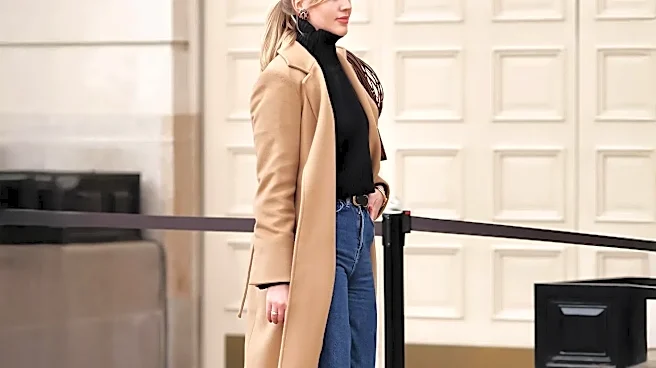
When you're mixing multiple bold textures, keeping your color palette simple and cohesive can create a sophisticated, elongated look. A monochromatic or tonal outfit—think shades of cream, camel, gray, or all black—allows the different fabric surfaces to become the main focus without overwhelming the eye. An outfit combining a black leather jacket, a charcoal gray knit, and a black cotton tee feels intentionally chic and visually slimming. Sticking to a single color family helps unify the pieces, making the combination of different materials feel purposeful and polished rather than chaotic. This approach ensures the textures shine, adding depth and interest in a subtle, elegant way.