





From Sketch to Structure: The Toile
Before a single thread of expensive silk or wool is cut, a garment begins its life as a humble prototype called a toile (pronounced 'twahl'). In the U.S., it's often called a muslin. Think of it as a dress rehearsal for the final piece, sewn from inexpensive,
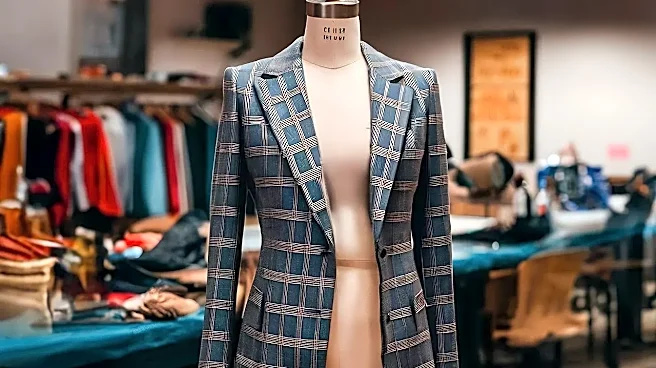
unbleached fabric like calico. This 3D version of the initial sketch is not meant to be pretty; it’s a working tool. Seams are often left raw, and markings are drawn directly onto the fabric. The purpose of the toile is purely functional: to test the core structure, silhouette, and proportions of the design before committing to the final, often costly, materials. It allows designers to see how a flat pattern translates to a three-dimensional form on a mannequin or fit model, serving as a crucial first step in turning a creative vision into a tangible object.
The Reality Check: The First Fitting
The first fitting is where theory meets reality. This is the initial moment the toile is tried on by a live fit model, a critical step that cannot be replicated on a static dress form. The designer, along with pattern cutters and seamstresses, observes how the garment moves, drapes, and sits on a human body. Is there pulling across the shoulders? Does a seam twist awkwardly? Is the dart placement flattering? This fitting is an intensive, hands-on session of pinning, snipping, and drawing. Adjustments are made in real-time to correct issues with balance, comfort, and the overall silhouette. It's a collaborative process where the model's feedback on movement and feel is invaluable, helping the design team identify problem areas that were impossible to predict on paper.
The Art of Adjustment: Iteration and Refinement
A single fitting is rarely enough. High fashion is a process of intense iteration, and a garment may go through multiple toiles and fittings before it's approved for the final fabric. Each adjustment made during a fitting—whether it's raising a hemline by a centimeter or completely reshaping an armhole—is transferred back to the paper pattern. A new, slightly improved toile might be created to test these changes. This cycle of fitting, adjusting, and re-patterning continues until the designer is satisfied that the garment's fit and form are perfect. For complex designs, this refinement stage can be the most time-consuming part of the entire process, involving a meticulous attention to detail that separates haute couture and high-end ready-to-wear from mass-market clothing.
Material Magic: Fabric and Final Details
Once the pattern is perfected, the team finally cuts into the final, chosen fabric—a point of no return. This stage introduces new variables, as a design that worked perfectly in stiff calico might hang very differently in fluid silk or heavy wool. Another fitting is often required to see how the garment behaves in its intended material. Now, the focus shifts to finishing and embellishment. This is when intricate details are added, from hand-sewn beadwork and embroidery to custom-made buttons and complex linings. These elements are not just decorative; they are integral to the design's story and luxurious feel. The construction is executed with flawless precision, hiding seams and ensuring every stitch contributes to the garment's beauty and durability.
Creating a Character: The Power of Styling
The garment itself is only one part of the final equation. In the days and hours before the show, a final runway fitting takes place to complete the look. This is where the designer and show stylist work together to create a full 'character' for the runway. They decide on the shoes, accessories, hair, and makeup that will accompany the garment, transforming it from a piece of clothing into a statement. This final styling is crucial; it provides context, reinforces the collection's theme, and ensures the look has maximum visual impact under the runway lights. A photo is taken of each complete look to serve as a guide for the frantic backstage dressers, ensuring the designer’s vision is executed perfectly in the show’s few fleeting minutes.