
A Farewell Tour That Started a Revolution
In 1991, Jane's Addiction frontman Perry Farrell wanted to send his band off with a bang, not a whimper. Inspired by European festivals like Reading, he envisioned a traveling multi-artist tour that was
less a concert and more a cultural happening. He called it Lollapalooza. This wasn't just a collection of bands; it was a curated statement. The inaugural lineup was a deliberate mix of sounds the mainstream hadn't yet embraced, featuring Jane's Addiction alongside industrial pioneers Nine Inch Nails, funk-metal band Living Colour, and rapper Ice-T with his group Body Count. Farrell’s ethos was simple but radical for the time: “Include everything.” It was a direct counterpoint to the rigidly segregated genres of mainstream radio and MTV, accidentally creating a blueprint for what would be called the 'Alternative Nation.'
The Traveling Carnival of Ideas
The original Lollapalooza was more than its main stage. It was a full-sensory experience that traveled across North America, bringing with it a village of non-musical attractions. There were tents for political activism where organizations like Greenpeace and Rock the Vote encouraged civic engagement, alongside spaces for visual art, independent vendors, and even vaudeville-style freak shows. This approach transformed the concert-going experience from a passive one into an interactive one. It wasn't just about seeing your favorite band; it was about discovering new ones on the side stage, engaging with new ideas, and feeling part of a national community of outsiders. This traveling-circus model was revolutionary, defining the youth culture of the '90s by bringing the counter-culture directly to cities across the country.
From the Road to a Chicago Landmark
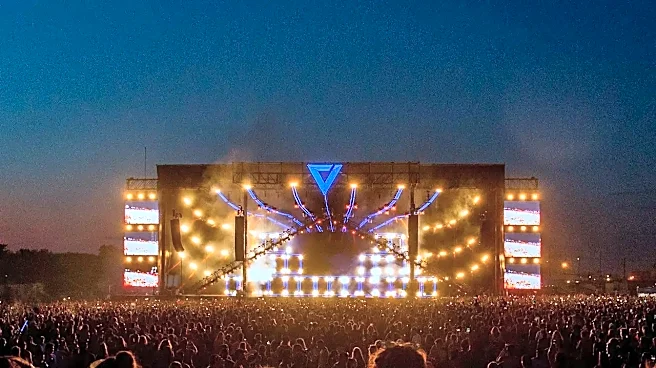
After a successful run, the touring model began to falter due to rising costs and a fracturing alternative music scene. Following a hiatus, Lollapalooza was resurrected in 2005, but with a crucial change: it would no longer tour. Instead, it planted its roots permanently in Chicago’s Grant Park. To some original fans, this felt like a betrayal of the nomadic spirit that defined the festival. But the move proved to be a stroke of genius, allowing organizers to build a more ambitious and stable destination event. It reflected a larger shift in the festival industry toward large-scale, city-based events. This new stationary format allowed for more stages, bigger art installations, and a massive food program, Chow Town, that celebrates Chicago's culinary scene.
The Ghost in the Modern Machine
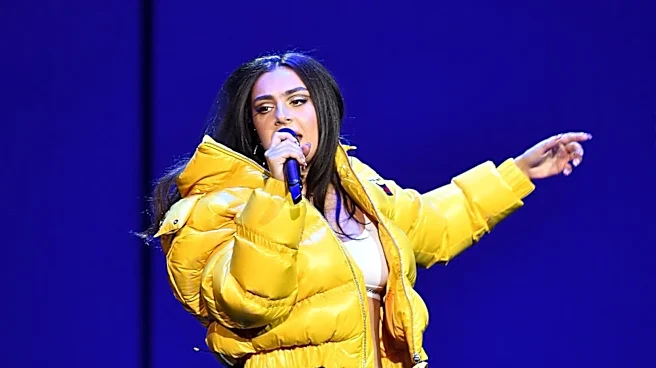
Look at the 2026 Lollapalooza lineup, and you'll see Farrell's original DNA everywhere. The headliners feature a mix that would have been unthinkable on any other festival bill in 1991: pop superstars Charli XCX and Lorde, K-pop sensation JENNIE, electronic giant John Summit, and returning '90s alternative legends The Smashing Pumpkins. This isn't just random eclecticism; it's the modern evolution of mashing up Nine Inch Nails with Ice-T. The festival's eight-plus stages are a direct descendant of the original main and side stage format, designed for discovery. The 2026 bill includes everything from indie rock and hyperpop to Afrobeats and metal, proving the founding principle of 'including everything' is still its core programming guide. The spirit of the activist and art tents also lives on through programs like Kidzapalooza for families and partnerships with environmental and social-cause organizations.