








The Billion-Dollar Price Tag
The primary financial burden of hosting a World Cup isn’t the event itself; it's the required infrastructure. FIFA’s bidding requirements are notoriously demanding, often forcing host nations to build a dozen or more state-of-the-art stadiums, even in cities
with no long-term need for them. Add to that the cost of new airports, highways, hotels, and massive security operations, and the budget balloons into the tens of billions. Brazil’s 2014 World Cup cost an estimated $15 billion, while Qatar’s 2022 event reportedly topped an eye-watering $220 billion. This spending is almost always funded by public money, diverting resources from essential services like healthcare and education.
FIFA’s One-Way Profit Machine
Here's the part that frustrates economists: while the host country foots the bill for the party, FIFA collects most of the profits. The international governing body for soccer reaps the billions in revenue from global broadcasting rights and corporate sponsorships—the two most lucrative income streams. In return for the “privilege” of hosting, countries are often required to grant FIFA, its subsidiaries, and its corporate partners sweeping tax exemptions. This means that while local taxpayers fund the construction and security, the primary financial beneficiary pays little to no tax on the massive profits generated within the host country’s borders. It’s a business model that has been described as a giant, taxpayer-subsidized marketing event for FIFA.
The Myth of the Economic Boom
Proponents of hosting always point to the promise of an economic windfall from tourism and job creation. The reality, however, is far more sobering. Most economic studies have found the net benefit to be negligible or even negative. The jobs created are typically temporary, low-wage positions in construction and hospitality that vanish once the final whistle blows. Furthermore, the expected tourism boom often fails to materialize as predicted. While soccer fans flock in, they often displace regular tourists who are scared off by the crowds and inflated prices. The result is often a simple substitution, not a massive net gain.
The Legacy of White Elephants
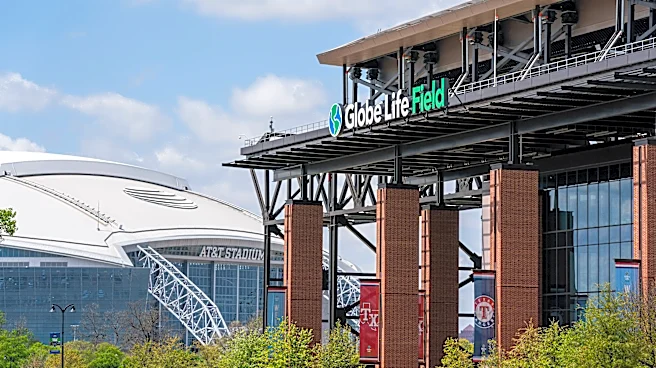
Perhaps the most visible and lasting financial risk is the problem of “white elephant” stadiums. After the fans go home, what happens to a 45,000-seat stadium in a city with no major professional team? It becomes a drain on public finances, costing millions per year in upkeep while sitting mostly empty. Brazil's Arena da Amazônia in Manaus, built in the middle of the rainforest for four games in 2014, is a classic example. South Africa faced similar issues after its 2010 tournament. This is precisely the risk the United States, Mexico, and Canada are trying to avoid with the 2026 World Cup by primarily using existing, high-capacity NFL and university stadiums, creating a more sustainable and less financially ruinous model.