





We’re Hardwired for Narrative
Before you’re a fan of Senegal or Croatia, you’re a fan of a good story. Human brains are narrative machines; we’re constantly searching for a plot, a protagonist, and stakes. The World Cup serves these up on a global scale. In a 90-minute match, you get
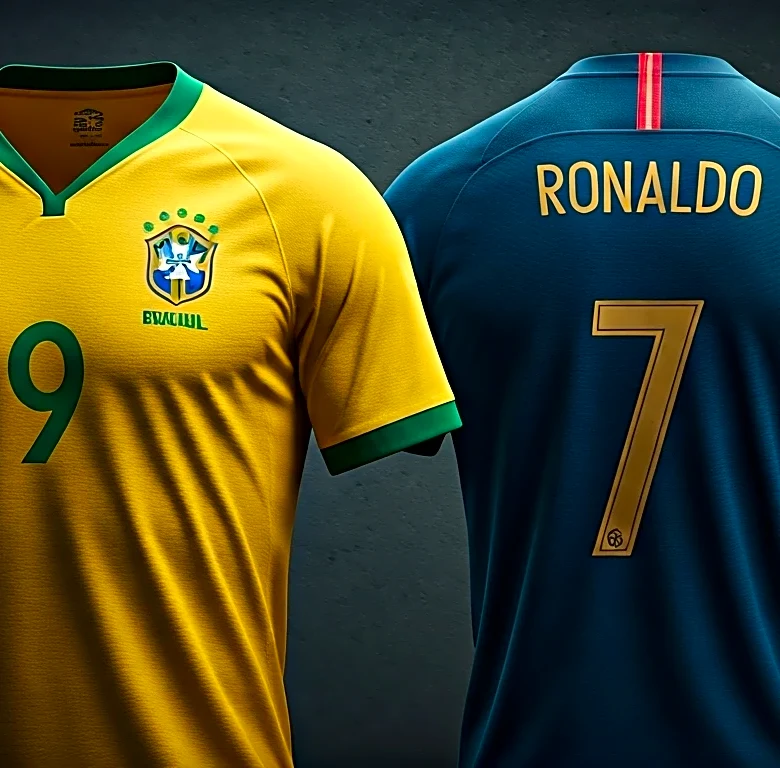
a full dramatic arc: the struggle for dominance, the unexpected setback, the heroic save, the last-gasp effort. When you pick a team to root for—often for the flimsiest of reasons, like a cool jersey or a memorable name—you’re not just choosing a side. You’re casting yourself in a real-time drama. That “random” team becomes your protagonist. Their quest for a goal is your quest. Their near-miss is your heartbreak. This isn’t just sports; it’s the oldest form of entertainment, played out by athletes at the peak of their abilities.
The Joy of Low-Stakes Tribalism
For most of us, our primary sports loyalties are inherited, geographic, and come with decades of emotional baggage. Rooting for the local NFL team can be a joy, but it can also feel like a burdensome obligation. The World Cup offers something purer: fandom tourism. You can “visit” another nation’s tribe for a few weeks with zero long-term commitment. Social identity theory suggests we have a fundamental need to belong to groups. By temporarily adopting Morocco, you instantly join a global collective of millions. You share their triumphs and anxieties, experiencing a powerful sense of community without the crushing weight of lifelong suffering that defines, say, being a Cleveland Browns fan. It’s all the fun of tribal belonging with an easy exit strategy. When your adopted team gets knocked out, you can grieve for an afternoon and then simply pick a new one.
America Loves an Underdog
There’s a reason why the Cinderella story is a tournament staple. The appeal of the underdog is universal, but it holds a special place in the American psyche. Our entire national mythology is built on the idea of a scrappy upstart defying a global superpower. When a smaller nation like Iceland holds Argentina to a draw, or South Korea knocks out the reigning champions Germany, it taps directly into that cultural wiring. We see a reflection of our own idealized self-image. These teams aren’t just playing soccer; they’re fighting against the odds, punching above their weight, and proving that passion and teamwork can level the playing field against giants. Rooting for the underdog isn’t just about hoping for a surprise; it’s about validating a core belief that anything is possible. It makes the victory, if it comes, feel like *our* victory.
A Cure for Digital Loneliness
In an era of fractured media and personalized algorithms, the World Cup is one of the last true global monocultures. It’s a rare, unifying event that cuts across every demographic and border. Knowing that billions of other people are watching the same thing at the same time creates a powerful, if temporary, sense of shared reality. Cheering for Japan’s high-pressure press or Ghana’s dynamic counter-attack connects you to a massive, simultaneous human experience. It’s a conversation topic that works anywhere in the world. This shared experience acts as a potent antidote to the isolation of modern life. For a month, you’re not just an individual scrolling through a feed; you’re part of a global stadium, roaring with a single voice. That feeling of connection is so rare and so powerful that we instinctively want to participate, and the easiest way in is to simply pick a team and let yourself care.