







The Illusion of Perfection
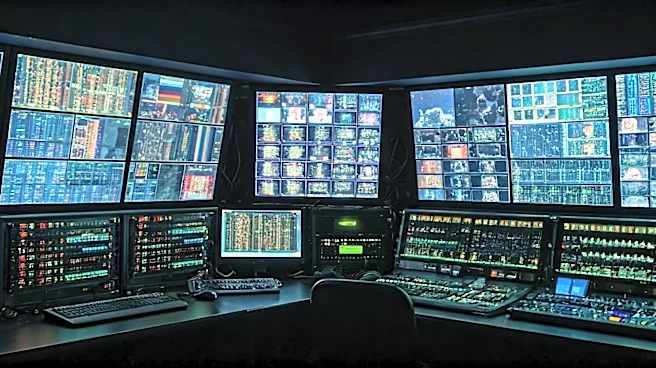
You’re on your couch, watching music’s biggest stars accept their trophies. Everything flows. The host’s monologue lands, the performances are electric, and the acceptance speeches are (mostly) kept to time. This polished broadcast is a carefully constructed illusion, managed by a team of producers in a dark control room, staring at a wall of monitors. Their job is to make a live, unpredictable event feel as smooth as a pre-recorded special. Every second is meticulously planned, from the length of a presenter’s walk to the stage to the exact moment a commercial break begins. But the plan is just a theory. Live television is where theories go to die, and the real artistry is in managing the moments when everything goes wrong.
When ‘Chaos’ Is a Canceled Performance
The term “chaos”
isn’t just about a presenter fumbling a name. Sometimes, it’s a gaping, four-minute hole that opens up in the show just days before airtime. Take the 2022 American Music Awards. Chris Brown was scheduled to perform a major tribute to Michael Jackson’s *Thriller* for its 40th anniversary. It was fully rehearsed, choreographed, and ready to be a show-stopping moment. Then, with little public warning, it was abruptly canceled. Suddenly, the producers at Dick Clark Productions were faced with a significant programming gap and a brewing PR headache. This is the kind of crisis that defines a production team. The audience can’t know a segment is missing, and there can be no “dead air”—the ultimate sin in broadcasting. The show must, quite literally, go on.
The Playbook for Averting Disaster
So what does a producer do? They turn to a well-established playbook for filling time and smoothing over cracks. First on the list are the 'stretchable' segments. Producers brief presenters and the host beforehand: 'If I’m talking in your ear, just keep riffing.' That extra 30 seconds of banter might feel spontaneous, but it’s often a calculated move to cover for a backstage delay. Another key tool is the pre-produced package. These are the glossy, edited segments highlighting an artist’s career or a charity initiative. Every show has several of these in the can, ready to be deployed if a live segment falls through or runs short. They are the production’s ultimate safety net. And, of course, there’s the strategically deployed commercial break. Going to commercials 90 seconds early might not seem like a big deal, but it buys the crew invaluable time to reset a stage, solve a technical glitch, or regroup after a last-minute change.
The Unseen Art of the Pivot
In the case of the canceled Chris Brown tribute, the producers’ work was invisible to the millions watching at home, which is exactly the point. The hole was patched so seamlessly that only industry insiders and eagle-eyed fans even noticed a gap. How? A combination of the methods above. A little extra time was likely given to presenters like Wayne Brady. The show’s pacing was subtly adjusted. Maybe a planned commercial break was moved up, or an existing performance was given a slightly longer intro. This isn’t panic; it’s precision engineering under extreme pressure. The producers essentially perform a live re-edit of the entire broadcast in real-time. They are the conductors of an orchestra where some musicians have decided to walk off stage mid-performance, and their job is to ensure the audience never hears a single missed note.