


The Parent as the Gatekeeper
At the most basic level, the focus on parents is a simple matter of economics. Kids may have the pester power, but adults hold the wallets. They buy the movie tickets, the popcorn, and, crucially, the endless stream of merchandise that can turn a hit
film into a billion-dollar franchise. Studios know that a movie that only appeals to a six-year-old will get a single, begrudging viewing. But a film that a parent actively enjoys? That’s a movie the whole family might see twice, recommend to friends, and happily bring into the home via streaming and merchandise. A 2025 report underscored this, finding that households with children are not only more likely to go to the cinema but also represent a disproportionately valuable segment of the entire media market.
More Than Just a Cinematic Babysitter
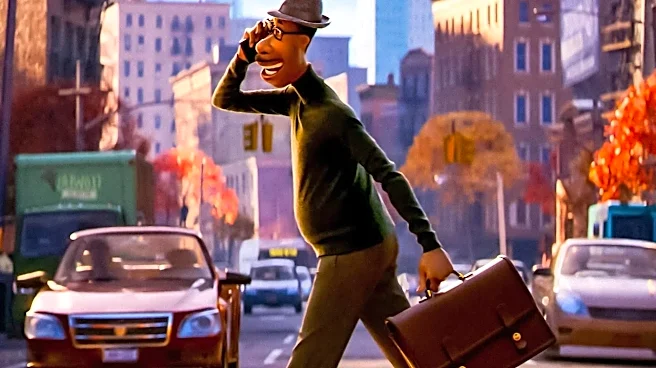
The days of animation being a simple distraction for children are long gone. Today’s parents, often juggling screen-time guilt and a desire for quality family experiences, want more than just a 90-minute babysitter. They want to create a shared memory. This is where the modern animated film thrives, operating on two distinct levels. While kids are captivated by the slapstick and vibrant visuals, adults are treated to a 'double narrative' of sophisticated themes, inside jokes, and commentary that flies right over the little ones' heads. Think of the complex emotional journey in Pixar's films or the surprisingly sharp satire in the "Shrek" series. These movies aren't just 'for kids'; they're family movies, designed from the ground up to be a rewarding experience for everyone in the room.
The Nostalgia-Industrial Complex
A key part of the strategy involves appealing to the parents' own childhoods. Many of today's parents were the first generation to grow up during the Disney Renaissance of the 90s and the rise of Pixar. They have a built-in nostalgia and a higher standard for what makes a great animated film. Studios capitalize on this by rebooting beloved properties or creating stories with timeless, universal themes that resonate with the adults who grew up on them. This fall's lineup includes a new take on "The Cat in the Hat," a story parents remember from their own childhoods, updated with modern animation and voice talent. This isn't just about remaking classics; it's about crafting an emotional bridge between generations, making the movie-going experience feel both new for the child and comfortingly familiar for the adult.
The Fight for a Trip Off the Couch
In the age of endless streaming options at home, the bar for a theatrical outing is higher than ever. Why pack up the family, drive to a theater, and spend a significant amount of money when a vast library of content is a click away? The answer is that the theatrical movie must offer an experience that streaming cannot. For family films, this increasingly means becoming a true event. Recent box office analysis shows that movies designed for the whole family consistently perform better, driving the market in a way that adult-only dramas or comedies often struggle to. Films like Disney's "Hexed" or DreamWorks' "Forgotten Island" aren't just competing with other movies; they're competing with Netflix, YouTube, and video games. To win, they have to convince the parent in charge that this specific movie is worth the effort, and the best way to do that is to make a film that the parent is genuinely excited to see.