





The Last Dance for the GOATs
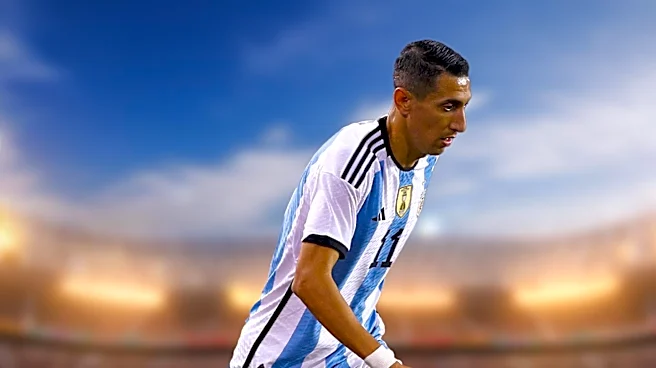
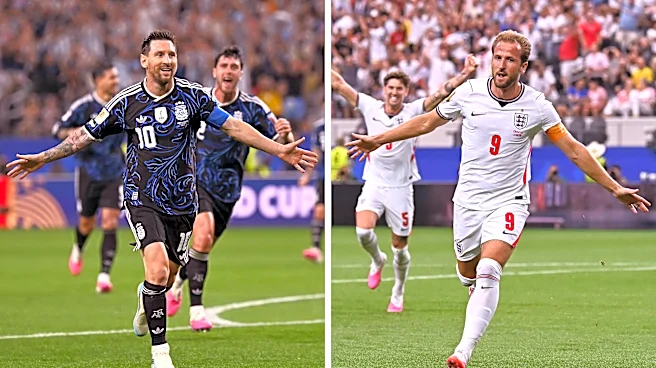
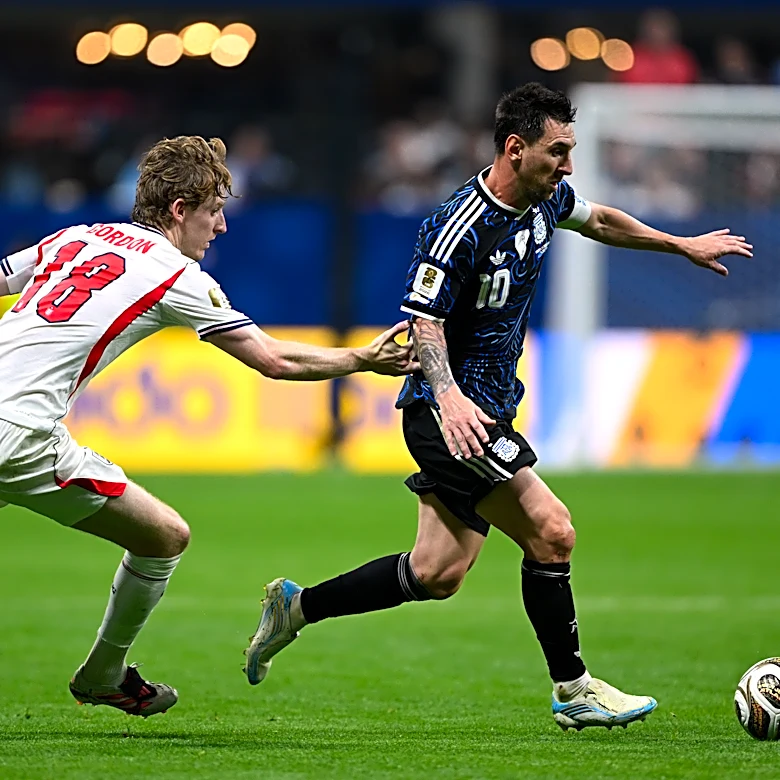
For nearly two decades, the conversation in global soccer has orbitered around two names: Lionel Messi and Cristiano Ronaldo. This tournament was their sixth and final World Cup. While Ronaldo's Portugal was knocked out by Spain in the round of 16, Messi has willed
Argentina to the final. At 39 years old, he is playing for an unprecedented back-to-back World Cup title, leading Argentina through dramatic knockout games against Egypt, Switzerland, and England. Think of it as the sports world’s ultimate mic drop—a final chance to cement a legacy that already feels untouchable. This final against Spain is the last time you'll see the era's defining player on soccer's biggest stage.
A Final of Legends vs. The New Wave
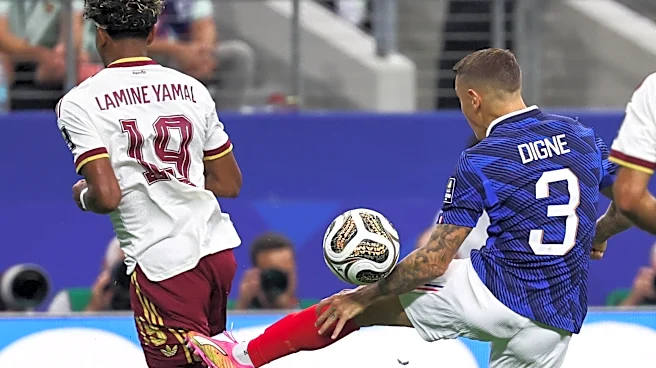
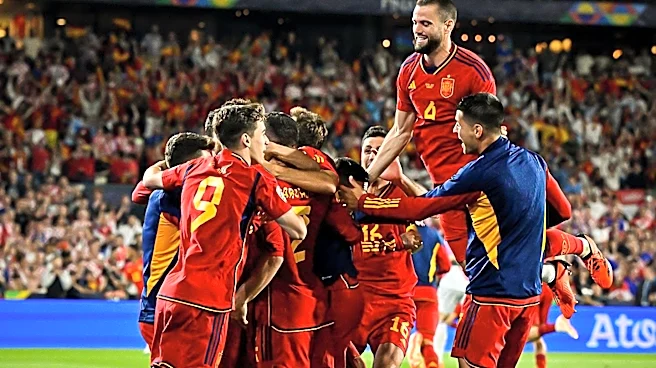
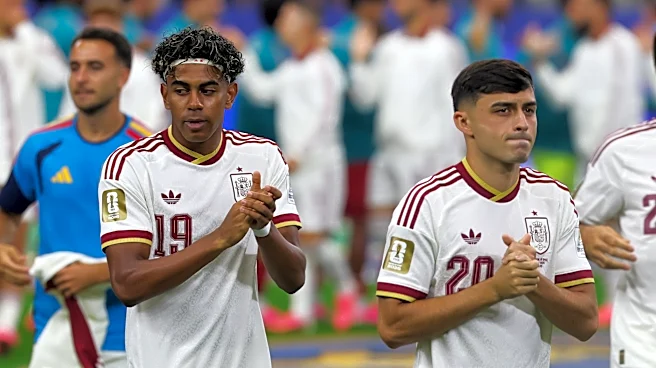
Sunday's final at MetLife Stadium pits defending champions Argentina against European champions Spain. It’s a classic matchup of narratives. Argentina, led by the veteran Messi, is seeking to become the first nation to win consecutive World Cups since Brazil in 1962. They’ve arrived in the final after a series of heart-stopping comeback wins. On the other side is a dominant Spanish team, undefeated in their last 14 major tournament games, that methodically dismantled a powerful French side in the semifinals. The game presents a fascinating contrast: Messi, the established icon, against Spain’s 19-year-old phenom Lamine Yamal, who is already a European champion and looks poised to become the sport's next global superstar.
How America's Team Fared on Home Soil
For the U.S. Men's National Team, this World Cup was a mix of exhilarating highs and a familiar, frustrating end. The team galvanized the nation, selling out stadiums and posting record TV viewership of over 42 million for their final match. They delivered thrilling wins in the group stage and won their round of 32 match against Bosnia and Herzegovina. However, the journey ended in the round of 16 with a disheartening 4-1 loss to Belgium. Key players like Christian Pulisic struggled with injuries and form at critical moments, leaving fans to wonder what might have been. Despite the exit, the tournament showcased real growth and captured the country's imagination in an unprecedented way.
More Than Just Messi: An Entire Generation Bows Out
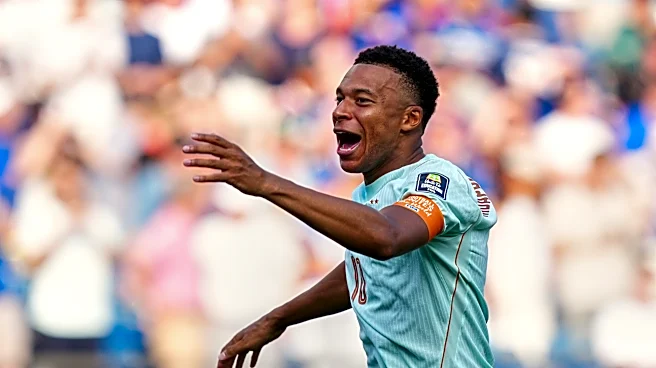
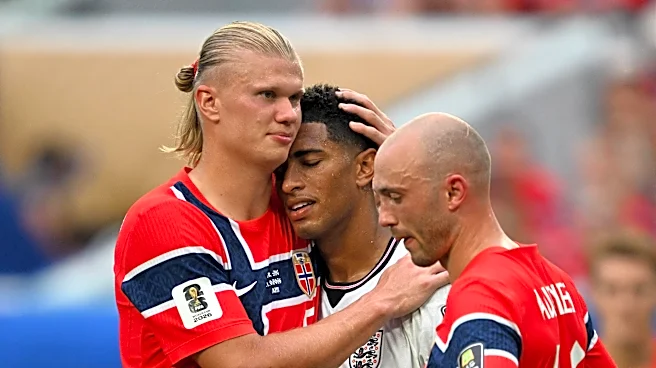
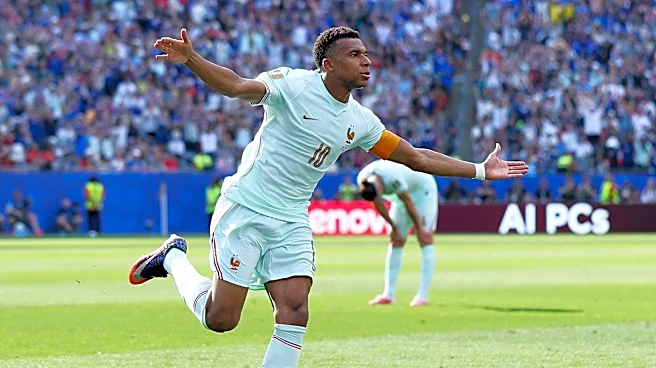
While Messi and Ronaldo are the headliners, this World Cup marks the end for an entire class of players who have defined soccer for a generation. Stars like Croatia's Luka Modrić, England's Harry Kane, and Belgium's Kevin De Bruyne are all in their 30s and likely played their last World Cup. France's Kylian Mbappé, though still just 27, saw his team's hopes for a third straight final appearance dashed by Spain. The tournament has served as a definitive changing of the guard, with younger talents making their mark and signaling the start of a new era in international soccer.
America's Coming Out Party as a Soccer Nation
Beyond the on-field drama, the 2026 World Cup has been a massive success for the United States as a host nation. Despite early concerns about high ticket prices and political tensions, the tournament shattered attendance records and created a vibrant, multicultural celebration across the country. American cities embraced visiting fans, creating countless stories of cross-cultural friendship and generosity that went viral globally. Packed stadiums and bars from coast to coast showed that soccer is no longer a niche sport here; it's a mainstream passion. The tournament proved that the U.S. can not only host the world's biggest party but also be a passionate participant in it.