




The Birth of a Modern Tradition
While the concept of sharing a holiday meal with friends isn't new—the Peanuts gang did it back in 1973's 'A Charlie Brown Thanksgiving'—the term 'Friendsgiving' is a more recent invention. Merriam-Webster traces its first print appearances to 2007, popping
up on early social media platforms like Twitter. It began as a practical solution for those who couldn't travel home for the holiday due to distance, work, or cost. For many young adults, particularly those who had moved to new cities for jobs or school, it was a way to avoid spending the holiday alone. But what started as a substitute has blossomed into a cherished ritual in its own right, often celebrated on the weekend before the official Thursday feast.
Lower Stakes, Higher Comfort
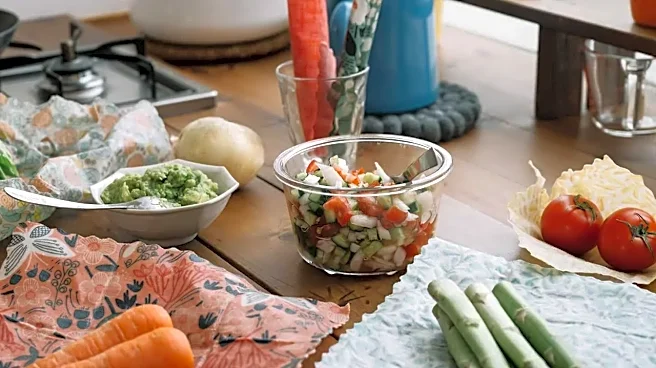
A key part of Friendsgiving’s appeal is its relaxed atmosphere, a stark contrast to the often-formal proceedings of a traditional family Thanksgiving. The pressure is off. Instead of one or two people bearing the entire culinary burden, Friendsgiving is almost universally a potluck affair. This collaborative approach not only eases the load on the host but also creates a more diverse and personal menu, where culinary experiments are welcome. Recent trends even show a move toward 'brunch-giving' or late-afternoon grazing, further distancing the event from a formal dinner. The focus shifts from executing a perfect, magazine-worthy feast to simply enjoying good food and even better company, free from the weight of long-standing family dynamics.
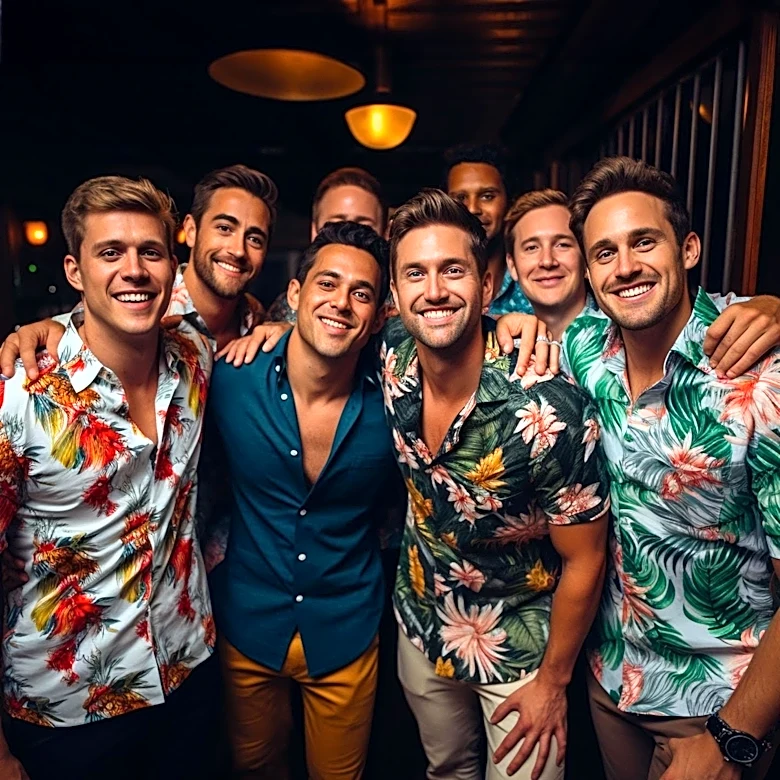
Casting the 'Chosen Family'
This is where Friendsgiving truly reimagines the 'family ensemble'. The gathering is a curated cast of characters you've intentionally brought into your life. This concept of a 'chosen family'—a support system built on mutual affection and respect rather than blood ties—is central to the Friendsgiving ethos. It provides a powerful sense of belonging and emotional safety, which is particularly vital for those with strained or nonexistent relationships with their families of origin. For the LGBTQ+ community and others who may not feel fully seen or accepted at a traditional family table, Friendsgiving offers a space of unconditional support. It’s a celebration of the bonds forged by choice, affirming that the love and support we associate with family can be found and nurtured in many forms.
A Complement, Not a Replacement
While some do replace Thanksgiving with Friendsgiving, a growing number of people see it as an additional celebration, not a substitute. It’s a recognition that our lives are enriched by multiple communities. According to recent surveys, the tradition is booming, with a significant percentage of Gen Z and Millennials hosting or attending a Friendsgiving in 2026. It acts as a kickoff to the holiday season, a dedicated moment to express gratitude for the friendships that sustain us year-round. This modern ritual doesn’t diminish the importance of the family table; rather, it expands the season of gratitude, making room for all the different kinds of families we build and cherish.