

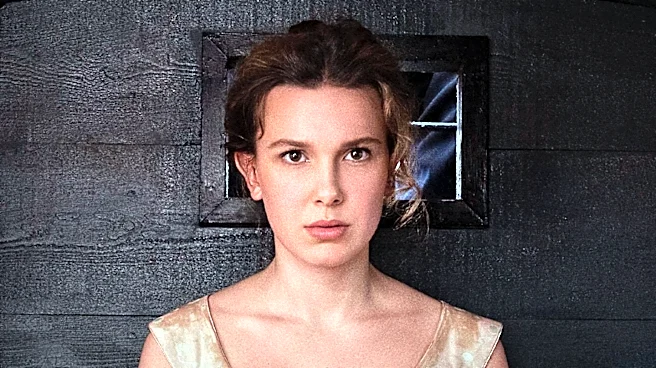
The Unspoken Dress Code
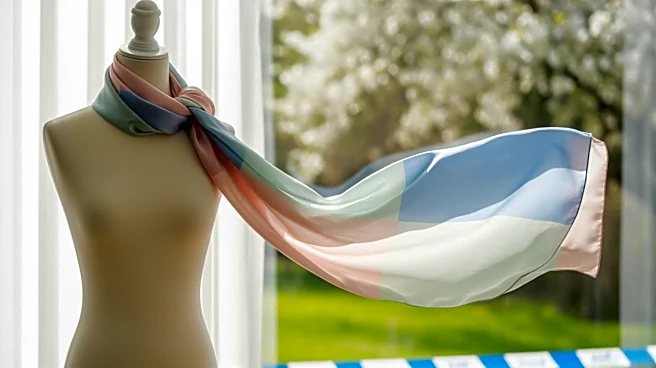
An elite art fair is not the Met Gala, nor is it a corporate conference. It operates under a unique, unspoken dress code that telegraphs intellectual curiosity, creative flair, and an effortless, almost accidental, coolness. The goal is to look like you might have just stepped out of your studio to buy a coffee, but your studio happens to be a perfectly curated loft and your coffee run outfit is a vintage Issey Miyake jacket. It’s a delicate balance of looking interesting without looking like you tried too hard. And into this specific ecosystem, sheer fabrics—from gossamer organza blouses over tailored bralettes to fine-gauge mesh dresses layered over simple slips—fit perfectly. The trend allows for architectural layering and a hint of subversion
while still feeling modern and, in its own way, sophisticated. It’s fashion for people who appreciate form and structure.
A Statement of Confidence
Beyond the aesthetic, the prevalence of sheer speaks to a broader cultural shift. In a post-lockdown world, there’s a palpable hunger for self-expression that goes beyond the sweatpants and Zoom-ready tops that defined the early 2020s. Dressing up is back, but with a new set of rules. The new mood is less about conforming to traditional standards of formality and more about celebrating the self. Sheer fabrics are an explicit declaration of bodily autonomy and confidence. Wearing a transparent layer is an act of selective vulnerability. It’s a way of saying, “I am here, I am present in my body, and I am comfortable being seen on my own terms.” In the often-intimidating context of the high-art world, this sartorial confidence is its own form of power. It’s a quiet rebellion against the idea that one must be buttoned-up to be taken seriously.
When the Viewer Becomes the View
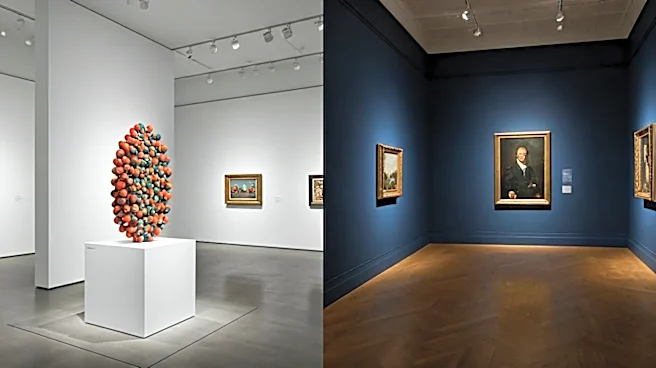
Perhaps the most compelling reason for sheer's dominance at Frieze is how beautifully it mirrors the concepts at play in the art itself. Contemporary art is obsessed with transparency, layering, perception, and the deconstruction of form. A sheer garment does all of these things. It plays with light and shadow. It reveals and conceals simultaneously, forcing the viewer to look closer and consider what lies beneath. The fabric acts as a filter, changing how we see the body and the clothing layered under it. In essence, the person wearing a sheer outfit becomes a piece of living, kinetic art. They are engaging in a performance, blurring the line between the art observer and the art object. It’s a clever, self-aware nod to the environment, demonstrating a fluency in the visual language of the art world without saying a word.
Not Just a Trend, But a Tool
While fashion trends come and go, the persistence of sheer at Frieze suggests it’s more than a fleeting fad. It’s become a useful tool in the art-world wardrobe. For gallerists, it’s a way to look chic and professional with an edge. For collectors, it signals a contemporary mindset. For artists and critics, it’s a way to engage with themes of visibility and appearance. The versatility is key: a sheer button-down over a tank top is gallery-appropriate for day, while a full-length transparent dress over a bodysuit makes a bolder statement for the evening parties. This adaptability ensures its longevity. It’s not a single, restrictive look but a concept that can be adapted to individual tastes and comfort levels, making it the perfect uniform for a scene that values individuality above all.