



The Conductor of Chaos
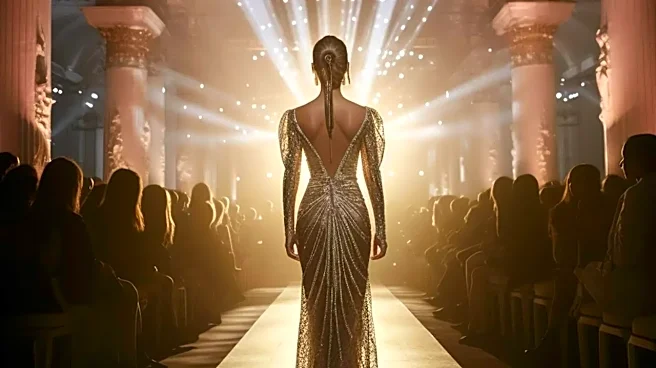
To the audience, a runway show is a seamless flow of art, music, and fashion. Backstage, it’s a different story: a high-pressure whirlwind of last-minute changes, frantic model dressers, and technical cues timed to the millisecond. The person holding
all these threads together is the show producer. They are the master planners and translators, taking a designer’s abstract creative vision and making it a practical, physical reality. Their responsibilities are immense, covering everything from managing the budget and securing the venue to overseeing model casting, lighting, music, and choreography. More than just an event manager, the producer acts as the central nervous system for an operation where a single misstep—a late model or a missed lighting cue—can derail the entire multi-million dollar presentation.
The London Timetable Crunch
While producing a fashion show is demanding anywhere, London presents a unique set of challenges. The city’s Fashion Week schedule is notoriously packed, with back-to-back shows spread across a sprawling map. Unlike the centralized venues of other fashion capitals, London is famous for its use of unconventional, often historic, locations—think decommissioned warehouses, old theaters, or grand halls that weren't designed for modern runway productions. This adds layers of logistical complexity. A producer must be a master of timing, not just for the 10-minute show itself, but for the hours of setup and breakdown. They must ensure that editors, buyers, and influencers can navigate the city to arrive on time, a task that makes a producer's command of scheduling absolutely critical to a brand’s success.
From Abstract Vision to Physical Reality
A designer might present a mood board with a feeling, a historical reference, or a single color. It's the producer’s job to translate that abstract concept into a tangible experience. This involves a delicate blend of creative sensitivity and hard-nosed logistics. They collaborate with set designers, lighting technicians, and sound engineers to build the world of the show. They work with casting directors to find models who embody the collection’s spirit and with stylists on the precise order of looks. This is the producer's core advantage: the ability to speak both the creative language of the designer and the practical language of vendors, technicians, and event staff, ensuring the final product is true to the original vision while also being delivered on time and on budget.
The Master of Contingency Planning
In live events, something always goes wrong. A key garment gets stuck in traffic, a power outage hits the venue, or the lead model sprains an ankle during rehearsal. This is where an experienced producer proves their worth. Problem-solving isn't just part of the job; it's the main event. They are masters of the contingency plan, having already anticipated potential failures and mapped out solutions A, B, and C. This requires an almost supernatural calm under pressure and the authority to make decisive calls in seconds. While the audience sees a flawless presentation, the producer has often just navigated a dozen near-disasters backstage, cementing their role as the ultimate crisis manager.