



The Return of the Pleat
For the better part of two decades, the flat-front trouser reigned supreme. It was the safe, default choice, a minimalist canvas for an era obsessed with slim-fit everything. But as the peacocks of Pitti have demonstrated, we’ve been sacrificing comfort
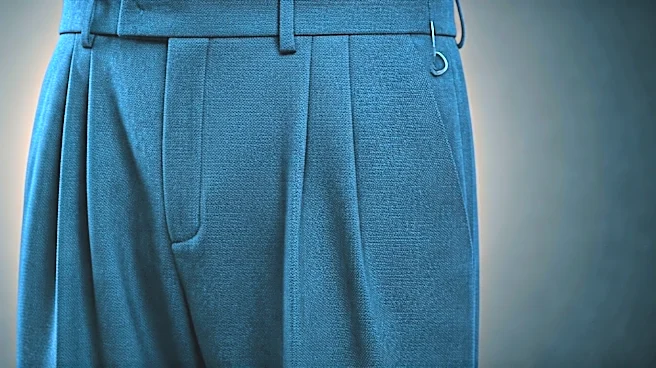
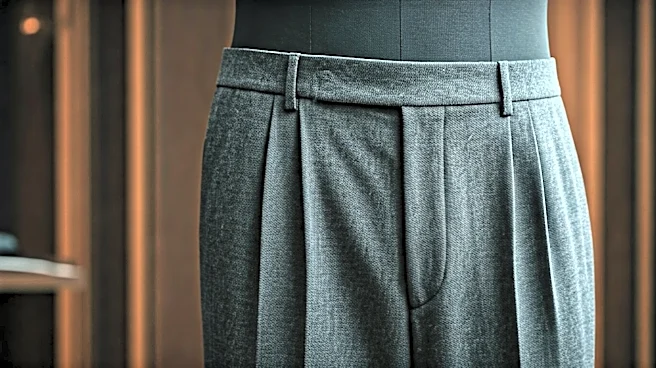
and elegance for a clean look that wasn't always flattering. Enter the pleat—or, more often, the double pleat. These are small, vertical folds of fabric just below the waistband. They aren't just a decorative flourish; they’re a functional feature. When you sit down or put your hands in your pockets, the pleats expand, giving you more room in the hips and thigh without straining the fabric. The result is pure, unadulterated comfort. Aesthetically, they add a touch of intentionality and visual interest. A good pleat creates a graceful, uninterrupted line that tapers down the leg, offering a drape that flat-front pants can’t replicate. It’s a subtle signal that you’ve moved beyond the basics and are thinking about silhouette and movement.
The Case for a Belt-Free Waist
Look closely at the trousers worn by the most stylish men at Pitti, and you’ll notice something missing: a belt. In its place, you’ll find side tabs. These small straps of fabric, affixed to the side of the waistband and secured with a buckle or button, allow for minor waist adjustments. They are the sartorial equivalent of showing, not telling. Originating in bespoke tailoring, side tabs were designed to create a perfectly clean, continuous line from the shirt to the shoe. A belt, by contrast, visually cuts you in half. By eliminating the need for one, side tabs allow a shirt to flow cleanly into the trousers, elongating the torso and creating a more streamlined and sophisticated silhouette. It’s a detail that says you had your trousers made for you—or at least bought them with a fit so precise that a belt became an accessory, not a necessity. For the modern man, it's an easy upgrade that makes any tailored outfit look more considered and polished.
Embracing the Fuller Leg
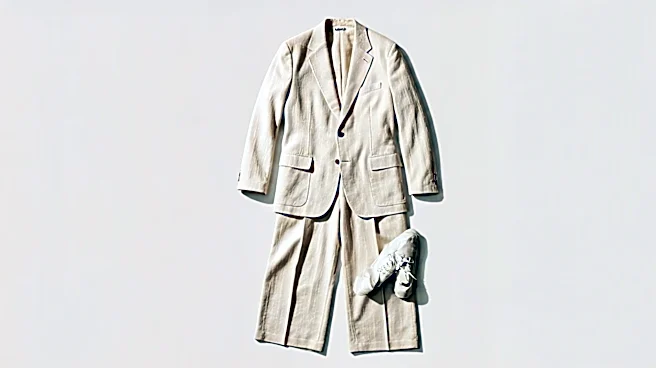
Perhaps the most significant—and for some, intimidating—shift is the move towards fuller-legged trousers. After years of being conditioned to think that “slim” or “skinny” meant sharp, a wider cut can feel like a step backward. It’s not. It's a confident stride forward into better proportions and superior comfort. The ultra-slim trouser was unforgiving, constricting movement and clinging to every contour. A fuller leg, whether a straight cut or a gentle taper, reintroduces the concept of drape—the beautiful way fabric hangs and moves with you. This generosity of fabric is not only more comfortable but also more flattering for the vast majority of body types. It skims the body rather than strangling it, creating a stronger, more masculine silhouette. The look seen all over Florence isn’t baggy or sloppy; it’s intentional. It’s about creating a powerful line from a slightly higher waist down to a cuffed hem that “breaks” perfectly over a loafer or dress shoe. It’s a return to the timeless proportions of Hollywood’s golden age, updated for today.