





What Exactly Is a Welt Pocket?
First, let’s clear up what we’re talking about. Unlike a patch pocket, which is a piece of fabric sewn onto the outside of a garment (think of the back pockets on jeans), a welt pocket is set into the clothing. It appears as a clean, narrow slit in the fabric,
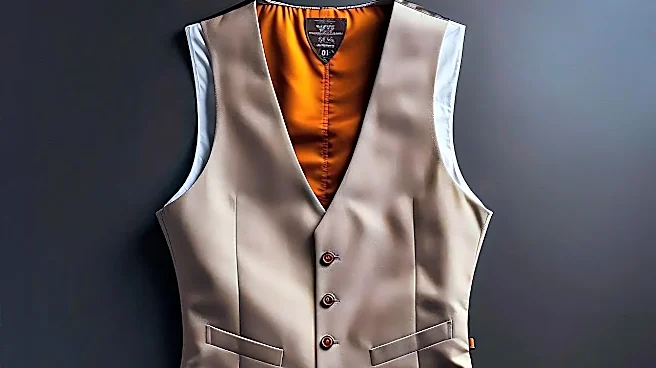
with the pocket bag itself hidden inside. That slit is bound by one or two small strips of fabric, the “welts,” which reinforce the opening and provide a crisp finish. This construction is also known as a jetted or besom pocket, and you’ll typically find it on the breast of a suit jacket, the back of tailored trousers, or on formal coats and vests.
A Quiet Signal of Craftsmanship
So why is this small detail such a big deal? The answer lies in the difficulty of its construction. Creating a welt pocket requires a tailor to precisely cut into the main body of the garment—a high-stakes move where one wrong snip can ruin the entire piece. Sewing the welts and the internal pocket bag so they lie perfectly flat, without any puckering, demands significant skill and time. In the world of mass-market fashion, where speed and cost-cutting are priorities, the complex welt pocket is often replaced by simpler, less expensive alternatives. Its presence, therefore, is a quiet signal to those in the know that a garment was made with a higher level of care and expertise, something tailors often look for when assessing the quality of a jacket.
The Logic of Clean Lines
Beyond being a testament to skill, the welt pocket serves a crucial aesthetic purpose: it maintains a clean, uninterrupted silhouette. Because the pocket is internal, it adds no external bulk to the garment. This is essential for tailored clothing, where the goal is to create a smooth, flattering shape that follows the contours of the body. A bulky patch pocket on the front of a blazer would disrupt its lines, while a welt pocket provides the same function without any visual clutter. This marriage of form and function is the core of its design logic—it offers utility while remaining practically invisible, ensuring the garment’s structure remains pristine. On many new, high-quality tailored items, these pockets are often loosely basted shut to keep their shape perfectly during shipping and display, intended to be opened by the owner.
Enduring From Past to Present
The welt pocket is not a modern invention; it has been a feature of men's tailoring since the 17th and 18th centuries, evolving from pouches worn on belts to integrated, secure spaces for valuables. This long history has imbued it with a sense of classicism and refinement. While its origins are in formal menswear, today’s designers use it across a wide range of clothing for both men and women to confer a sense of quality. You’ll see it on everything from a classic tuxedo to a contemporary wool overcoat or even a high-end varsity jacket. In an era of fast fashion, the continued use of this time-honored technique by experts is a deliberate choice to prioritize durability and timeless design over fleeting trends.