







The Familiar Feeling of 'Stiff' TV
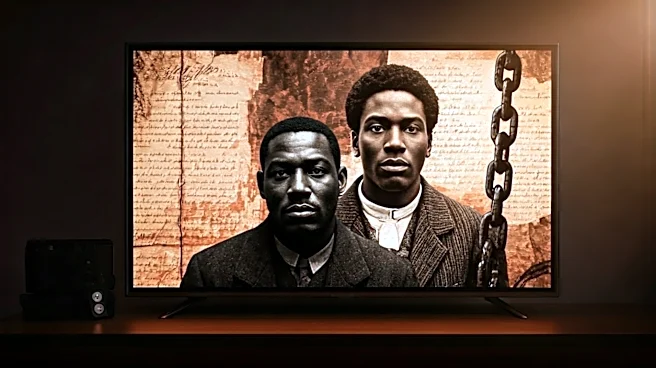
You know the formula. It starts with a somber piano melody over a slideshow of sepia-toned photographs. A narrator with a serious, documentary-style voice recites key dates and facts about General Order No. 3. Respected academics and community leaders
appear as talking heads, offering soundbites about the holiday’s historical significance. It is informative, well-intentioned, and often, profoundly stiff. This approach treats Juneteenth like an artifact in a museum: important, worthy of respect, but ultimately sealed behind glass. It *tells* the audience that this history matters, but it struggles to make them *feel* why. The result is television that feels like a history lesson— dutiful, correct, and emotionally distant. It checks a box for corporate or network responsibility but rarely connects with the soul of the celebration.
The One Choice: Explanation vs. Embodiment
Here is the choice that makes all the difference: Does the program seek to *explain* the holiday or *embody* its spirit? Explanation-focused TV centers the facts. It’s a didactic exercise designed to transfer information from the screen to the viewer. It prioritizes what happened *then* over what it feels like *now*. Embodiment, on the other hand, is an artistic act. It trusts that the audience can absorb the historical weight through character, story, music, and even food. It trades the narrator for a protagonist, the slideshow for a lived-in world. It understands that Juneteenth is not just a historical event but an ongoing emotional and cultural experience. It’s the choice between building a lecture and throwing a block party. One gives you a textbook; the other hands you a plate and invites you to dance.
Embodiment in Action: Joy, Food, and Music
We’ve seen embodiment work brilliantly. The “Juneteenth” episode of ABC's `black-ish` turned the holiday’s story into a vibrant, Schoolhouse Rock-inspired musical, using genre and song to channel the pain, absurdity, and ultimate joy of emancipation. It didn't just list facts; it translated them into a modern cultural language. Donald Glover’s `Atlanta` took a surreal, satirical approach in its own “Juneteenth” episode, exploring the awkward commodification of the holiday at a bougie party, perfectly capturing the complex feelings of navigating performative celebration. On Netflix, `High on the Hog: How African American Cuisine Transformed America` dedicates an episode to Texas, linking the history of Juneteenth directly to the sensory, communal experience of food and fellowship. In each case, history isn’t recited; it's tasted, sung, and lived through, making the past feel immediate and personal.
Why Reverence Requires More Than Facts
True reverence is about more than just getting the date right. It's about capturing a feeling. The spirit of Juneteenth is a complex cocktail of emotions: solemn remembrance of centuries of bondage, the profound joy of liberation, the bitter acknowledgment of freedom delayed, and the resilient spirit of celebration in the face of ongoing struggle. Stiff television tends to flatten this complexity into one note: somber history. It misses the defiant joy, the deep-seated community, and the cultural creativity that are just as central to the holiday. Reverent television understands that the goal isn't just to make viewers smarter about June 19, 1865. It is to give them a window into the soul of Black American perseverance—a story of making a way out of no way, of finding joy in the midst of pain, and of celebrating a promise, even one that was late to arrive.