


More Than a Music Festival
To understand the setlist debate, you have to understand Camp Flog Gnaw. Curated by Tyler, the Creator, it’s less of a standard festival and more of a cultural statement. Since 2012, it has grown from a small gathering into a two-day carnival at Dodger
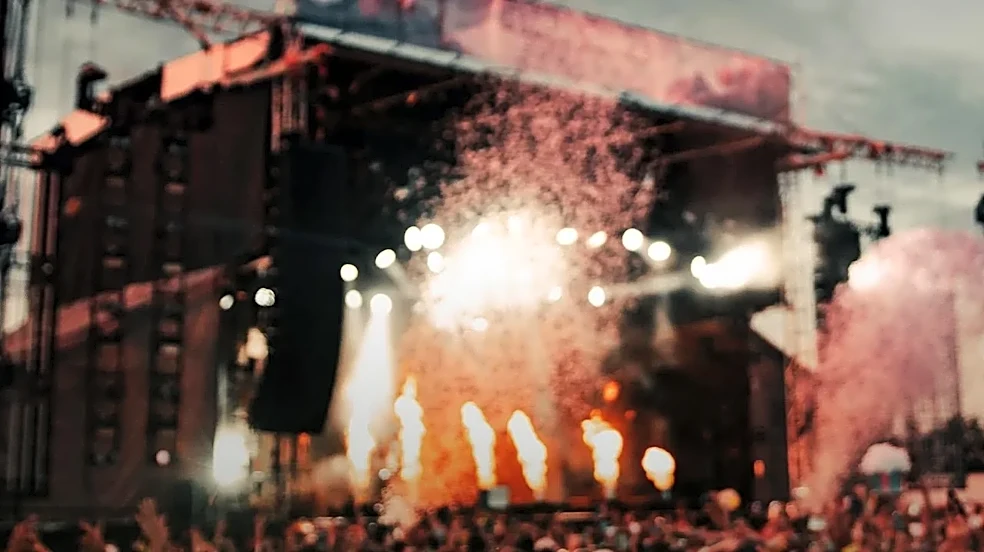
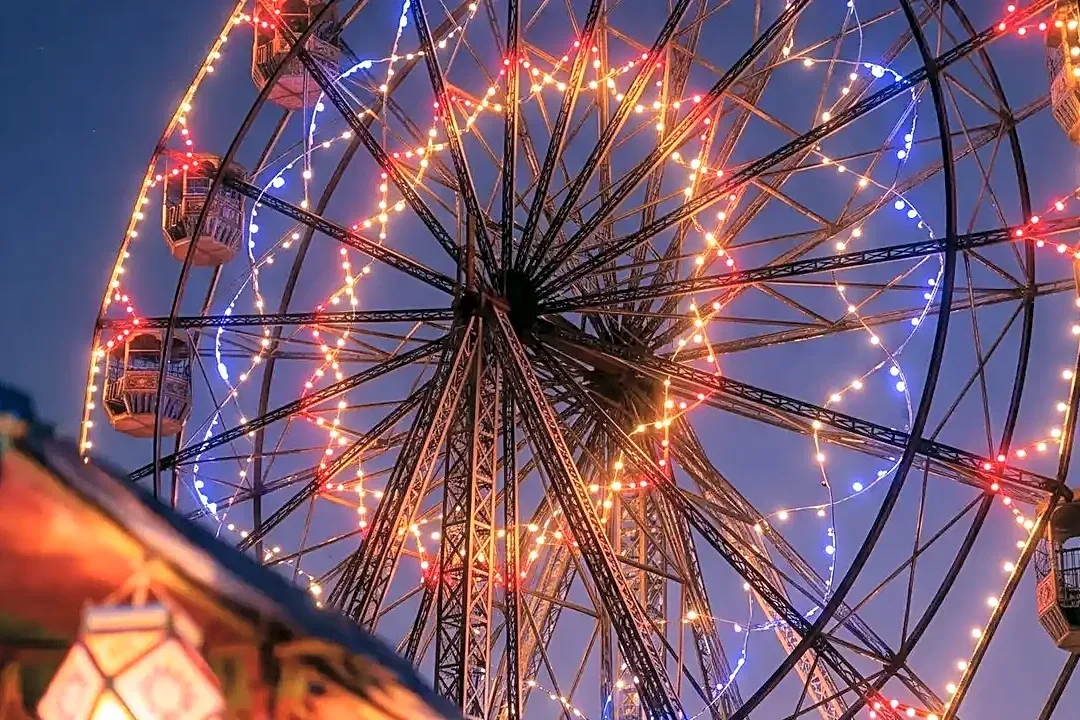
Stadium that celebrates individuality and artistic curiosity. The vibe is distinct: a mix of carnival rides, skate ramps, and exclusive merch drops, all reflecting Tyler's personal taste. This isn't just a collection of popular acts; it’s a hand-picked playlist shared with 40,000 people. The lineup itself is famously eclectic, placing blockbuster rappers next to hardcore bands and rising indie darlings. That curated identity attracts a specific type of audience: one that is deeply invested, highly knowledgeable, and incredibly vocal about their expectations.
The Unifying Power of a Smash Hit
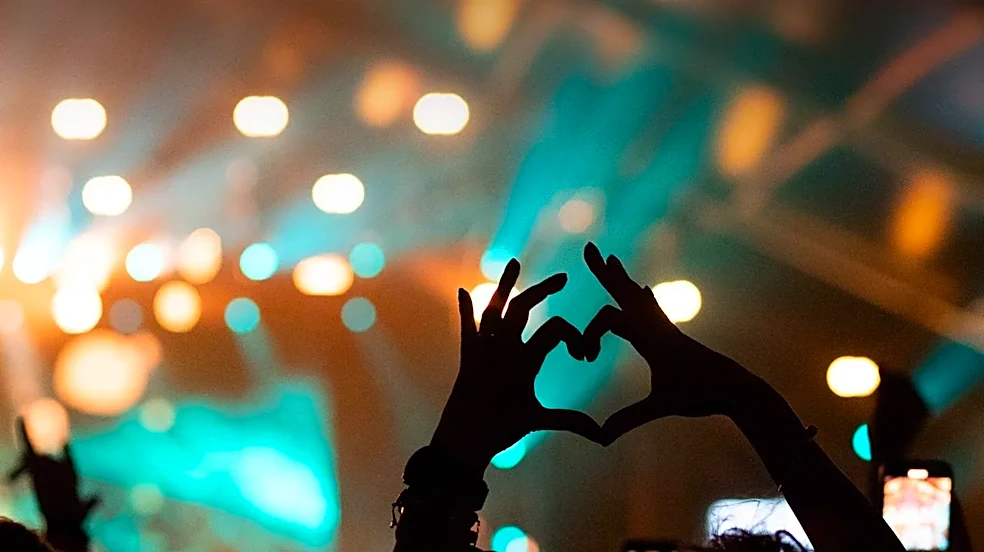
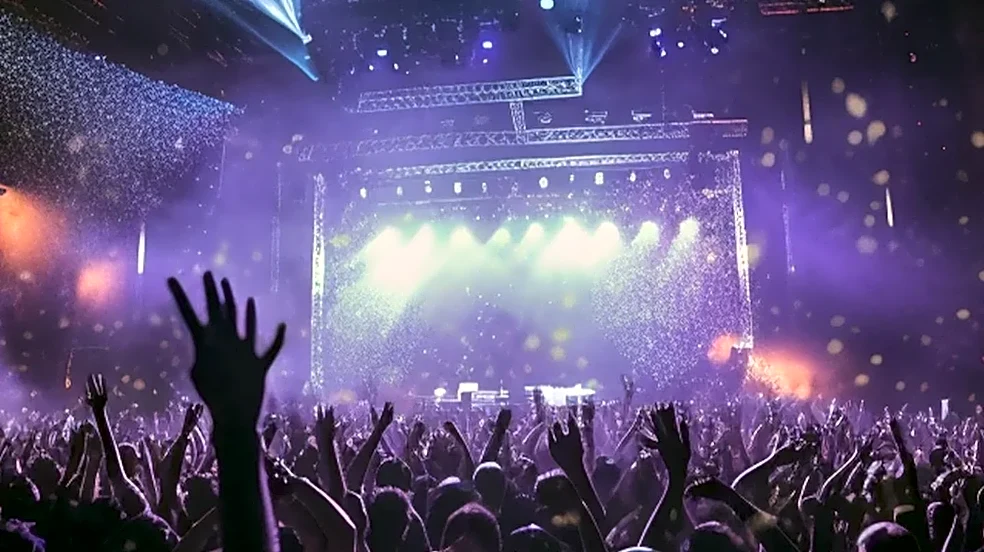
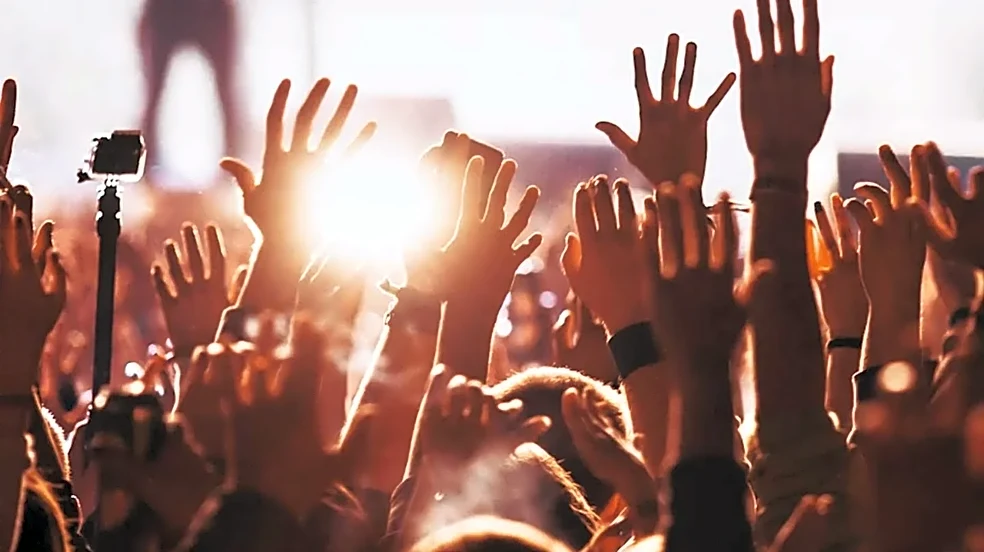
For many attendees, a festival is a social event, and nothing unites a massive crowd like a song everyone knows by heart. The argument for a hits-heavy set is simple: it delivers guaranteed energy and communal joy. When an artist plays their chart-toppers—the songs that dominated radio waves and defined a specific summer—it creates a powerful, collective experience. These are the moments made for shouting along with thousands of strangers, arms in the air. For the casual fan, or someone seeing an artist for the first time, hearing the hits is the entire point. An artist skipping a song like 'Mask Off' or '3005' can feel like a letdown, leaving a portion of the audience wondering why they didn't get the quintessential experience. In the context of a festival where attention spans are short and attendees drift between stages, familiar anthems are crucial for holding a crowd.
The Die-Hard's Reward: The Deep Cut
On the other side of the debate are the loyalists, the longtime listeners who have seen an artist multiple times and know every word to every track on every album. For them, a deep cut is the ultimate reward. It’s a nod from the artist, an acknowledgment of their dedication. Hearing a B-side or a fan-favorite album track that rarely gets played live is a unique, 'I was there' moment that a predictable hit can't replicate. At a festival like Camp Flog Gnaw, which prides itself on taste and discovery, the expectation for something special is even higher. Fans aren't just there to see a performance; they are there to connect with an artist's vision. A setlist that digs into the catalogue suggests an artist is still creatively engaged and willing to challenge their audience, rather than just 'playing the hits' to fulfill a contractual obligation.
The Artist's Impossible Choice
Caught in the middle of this tug-of-war is the artist. Crafting a festival setlist is a delicate balancing act. With limited time—often 45 to 60 minutes for non-headliners—every choice is critical. They have to promote new music, satisfy the casual listeners who paid for the hits, and impress the die-hards who crave novelty. The venue, the time of day, and the energy of the crowd all factor into the final decision. Some artists stick to a rigid setlist that works every time, while others change it nightly to keep things fresh. But at a place as culturally specific as Camp Flog Gnaw, the pressure is immense. The audience's deep knowledge and high expectations mean that the setlist isn't just a collection of songs; it’s a statement about the artist’s identity and their relationship with the very fans who made them big enough to play the festival in the first place.