







More Than Just Sand and Sun
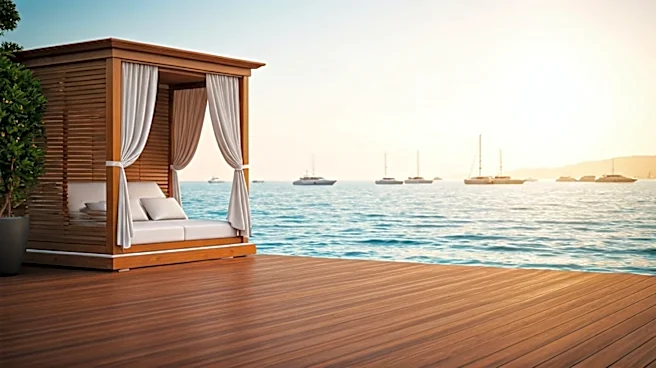
When you picture the French Riviera, you imagine sun-drenched beaches. But during the Cannes Film Festival, the prime stretches of sand along the Croisette are not public parks. They are transformed into temporary, hyper-exclusive fortresses of glamour. These are the famous beach clubs, branded pop-ups hosted by luxury names like Nespresso, Magnum Ice Cream, or a major film studio. They aren’t restaurants you can book or clubs you can buy your way into. They are meticulously curated environments, complete with private piers, custom-built restaurants, and plush cabanas, existing for roughly two weeks with a single purpose: to enforce and display the brutal, unspoken hierarchy of the film industry.
The Currency of an Invitation
In Cannes, money is secondary. The true currency
is status, and the ultimate expression of that status is an invitation to one of these beach clubs. You cannot reserve a table. You cannot flash a black card. Access is granted via a publicist, a studio head, or a brand manager. It’s a physical manifestation of your relevance in that exact moment. Are you the star of a film in competition? You’re in. Are you a journalist with a major outlet doing a junket? You’re in, but only for your scheduled time. Are you a powerful agent closing a deal? The best waterfront table is yours. For everyone else, it’s a firm, polite, and unappealable 'non.' This manufactured scarcity is the entire point. The difficulty of entry is what makes being inside so valuable.
The Psychology of the Velvet Rope
The obsession with these clubs is rooted in a simple human truth: we desire what we cannot have. By making them impenetrable, Cannes creates a powerful mystique. The beach clubs are a real-life velvet rope, and the speculation about what happens behind them generates more buzz than any press release. Fans and industry hopefuls line the boardwalk, craning their necks for a glimpse of a celebrity doing something as mundane as sipping an espresso. For the media, a photo of a star emerging from a private beach entrance is gold. This dynamic creates a perfect feedback loop: the more exclusive the clubs are, the more people talk about them, which in turn makes the brands hosting them seem even more powerful and desirable. It’s the most effective marketing tool in a town built on selling dreams.
Where Business Gets Done
Don’t mistake the rosé and sunshine for a vacation. These clubs are the unofficial boardrooms of the festival. While the Palais des Festivals hosts the formal screenings and ceremonies, the real business of Hollywood happens here. A-list actors conduct back-to-back interviews in private cabanas, shielded from the public eye. Directors take meetings with financiers over lunch, sketching out their next project on a napkin. Studio executives host lavish dinners to celebrate a newly acquired film, ensuring every major trade publication is there to witness it. The relaxed, picturesque setting is a strategic illusion. It’s a high-stakes, high-pressure work environment disguised as a seaside paradise, where a single conversation can make or break a career.