



Understanding the 'Structured' Cape
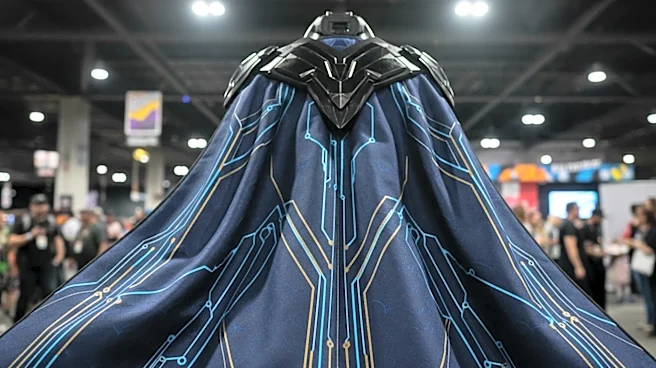
Before you even touch a bolt of fabric, it's crucial to understand what makes a cape "structured." Unlike a flowing, ethereal cloak that billows in the wind, a structured cape has presence and shape. It holds a distinct form, whether that's through a high,
stiff collar, sharp shoulder lines, or a heavy, commanding drape. This isn't about light and airy; it's about weight, body, and control. Think of characters like Doctor Strange, whose cape has a personality of its own, or the regal, imposing capes worn by high-fantasy royalty. The fabric you choose is the primary tool for creating this effect, long before you consider internal supports like interfacing or wire.
The Heavyweight Champion: Wool or Heavy Twill
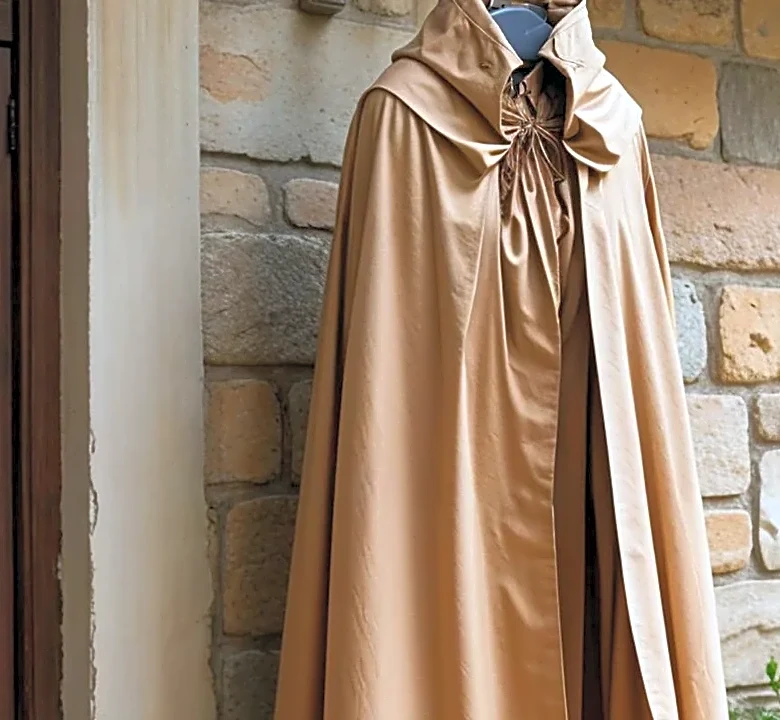
For a truly authoritative cape, wool and heavy cotton twill are your best friends. These are dense, durable fabrics that possess significant natural weight. A wool coating, the same material used for winter coats, offers an unmatched drape and a feeling of substance. It hangs beautifully, resists unwanted billowing, and signals quality and power. Cotton twill or duck canvas are excellent, more budget-friendly alternatives that are also easy to work with. They provide a similar heft and are fantastic for military-style or rugged characters. The downside? These fabrics can be heavy to wear all day at a convention and can get warm, so consider the environment before you commit.
The Regal Option: Upholstery Fabrics
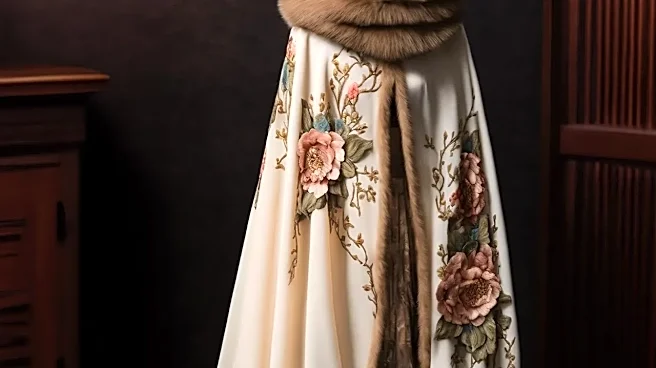
Don't be afraid to venture out of the apparel section and into the home decor aisles. Upholstery fabrics like brocade, damask, or even some velvets are specifically designed to be durable and hold their shape. Brocades and damasks often feature intricate, woven-in patterns that can elevate a royal or fantasy cosplay to the next level, adding texture and visual interest that looks incredible up close and on camera. These fabrics are inherently stiff and will create a very defined silhouette. Be warned, they can be expensive and challenging to sew due to their thickness and potential to fray. Always use a sharp, heavy-duty needle for these projects.
The Modern Powerhouse: Neoprene (Scuba Fabric)
If you're building a cape for a sci-fi or modern superhero character, neoprene is an exciting option. Also known as scuba knit, this synthetic material is a double-knit fabric made of polyester and spandex. It has a unique combination of body and stretch, giving it a smooth, sculptural quality that's hard to replicate. Neoprene resists wrinkling and can be cut into sharp shapes that won't fray, allowing for some very creative and futuristic designs. It's thick, provides excellent structure, and has a clean, matte finish. However, it is not very breathable, so it can become very hot to wear for long periods.
Fabrics to Avoid for Structure
Just as important as knowing what to use is knowing what to avoid. For a structured cape, stay away from lightweight, flimsy materials. This includes cheap costume satin (which is often thin, overly shiny, and prone to static), chiffon, organza, and most lightweight cottons. While these fabrics are perfect for creating soft, flowing effects, they have no body or weight and will not give you the defined, imposing shape you're looking for. They will collapse on themselves and lack the 'swoosh' factor that a heavy cape provides. Save these materials for characters that require a more delicate or ghostly appearance.