








Cannes: Old-World Glamour and Riviera Rules
Think of Cannes, and you likely picture the height of formal elegance: sweeping gowns, sharp tuxedos, and dazzling high jewelry on the French Riviera. You’re not wrong. The Cannes Film Festival is the grande dame of the circuit, and its style is built
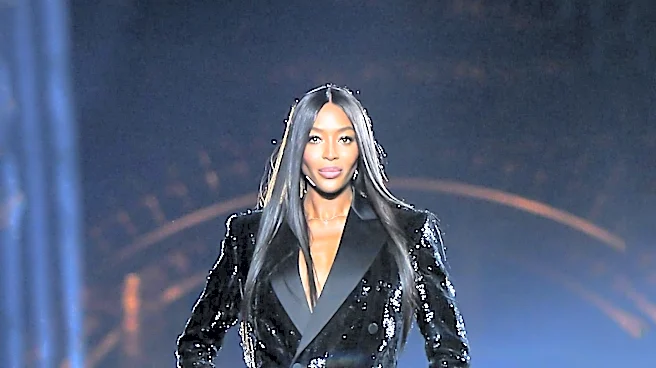
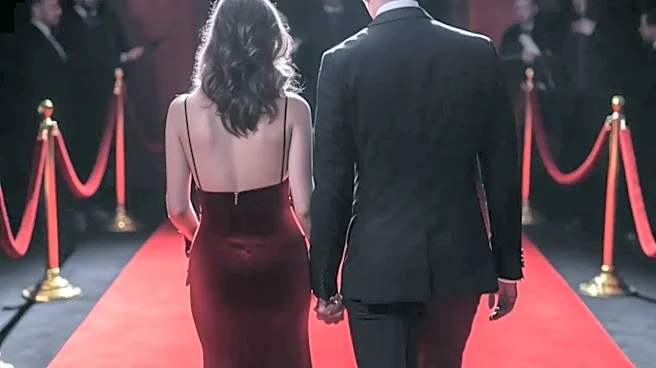
on a foundation of tradition and unapologetic luxury. For its most prestigious premieres, a strict black-tie dress code is non-negotiable. This isn't just a suggestion; it's a rule enforced at the steps of the famed Palais des Festivals. This formality fosters a specific kind of fashion—one that leans into classic Hollywood glamour and couture artistry. It's a place for grand statements, where stars and their stylists aim for timeless, iconic moments. The festival's status as a major international film market also plays a role; the fashion is as much about projecting power and prestige as it is about celebrating a film.
Venice: Artistic Romance and Italian Flair
If Cannes is the queen, the Venice Film Festival is her more romantic, art-world cousin. Held against the stunning, historic backdrop of the Lido di Venezia, the fashion here feels slightly less rigid and a bit more dramatic. While still incredibly glamorous, there's room for more experimentation and personality. Think bold Italian designers, theatrical silhouettes that pop against the canals, and a touch of moody, cinematic elegance. While formalwear is expected for premieres, Venice doesn't have the same strict, codified rules as Cannes, allowing for more creative expression. The vibe is less about corporate film-market hierarchy and more about celebrating cinema as an art form. This results in red carpet looks that often feel more like wearable art—think Tilda Swinton's avant-garde choices or Cate Blanchett's architectural gowns. It's high fashion with a poetic, slightly mysterious twist.
Toronto: Approachable Cool and Audience-Focused Style
This brings us to the Toronto International Film Festival (TIFF), which has carved out a completely different fashion identity. Unlike its European counterparts, TIFF is known as "the people's festival" or an "audience festival." This distinction is key. Because the festival integrates the public so heavily into its screenings and premieres, the atmosphere is decidedly more relaxed and grounded. The style reflects this North American energy: it's chic, contemporary, and cool, but rarely ventures into the formal extremes of Cannes. You'll see fewer floor-length ball gowns and more sophisticated cocktail dresses, sharp tailored suits, and fashion-forward separates. The September timing also means the weather is cooler, influencing a different wardrobe. It's still a high-stakes stop, especially as a launchpad for awards season, but the fashion is less about untouchable glamour and more about showcasing a star’s personal, accessible style.
It's Not the Clothes, It's the Mission
Ultimately, the stylistic differences boil down to each festival's core purpose. Cannes is an exclusive, industry-focused event where tradition and status are paramount. Venice is a prestigious artistic launchpad, celebrating film history and avant-garde cinema. TIFF, however, is a publicly accessible powerhouse that serves as a crucial tastemaker for the all-important Oscars race. Its red carpet is a strategic part of a film's promotional campaign, designed to connect with North American audiences and generate buzz. Stylists and stars dress accordingly. For Cannes, it's about respecting tradition. For Venice, it's about artistic expression. For Toronto, it's about looking polished, modern, and relatable—the perfect kickoff to a long awards campaign where approachability can be just as valuable as old-world mystique.