








So, What Exactly Is a Low Block?
Imagine a fortress. That, in essence, is a low block. It’s a defensive strategy where a team retreats deep into its own half when it doesn't have the ball. The entire team, from the defenders to the midfielders and even most of the attackers, forms a compact,
congested shield in front of their own goal. The goal is simple: deny space. By keeping the lines of players close together, they create a human traffic jam in the most dangerous areas of the field. This forces the attacking team, no matter how talented, to play around the edges, often resorting to hopeful long-range shots or crosses into a crowded penalty box. It’s different from simply “playing defense”; it's a highly organized, disciplined system designed to nullify an opponent's strengths by congesting the very ground they want to attack. You'll often hear it called “parking the bus,” a term for its most extreme, all-hands-on-deck application.
The Perfect Tournament Tactic
In a 38-game league season, a low block is a tough sell. You need to win consistently, score goals, and sustain performance over many months. But in a knockout tournament, the rules change. Survival is the only metric that matters. This is where the low block thrives. For an underdog facing a powerhouse, it’s a strategic masterstroke. Instead of trying to match a superior opponent for skill across the pitch, you can neutralize their talent by denying them the space to use it. It’s a game of risk management. A low block is designed to minimize the chance of conceding a goal, even if it means sacrificing possession and attacking flair. In a cup tie, a single goal can be enough. A team can defend with a low block for 89 minutes, steal a goal on a swift counter-attack, and advance to the next round. It also turns the game into a battle of patience and nerve, inviting the favorite to become frustrated and make a crucial mistake. If all else fails, it’s the perfect strategy for playing for a 0-0 draw and taking your chances in a penalty shootout.
A Masterclass in Defensive Art
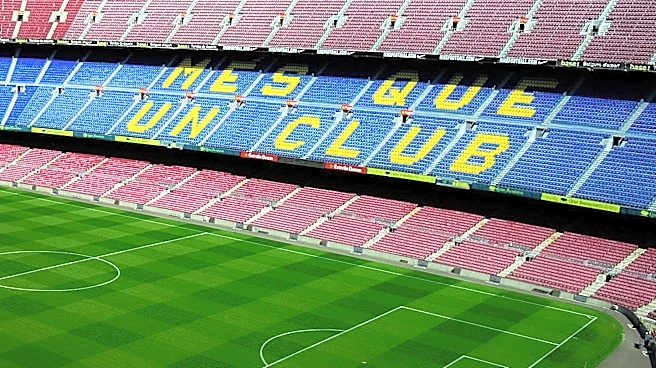
Perhaps the most legendary example of the low block’s power came in the 2010 UEFA Champions League semifinal. José Mourinho’s Inter Milan faced Pep Guardiola’s Barcelona, a team widely considered one of the greatest attacking sides in history. After winning the first leg 3-1 at home, Inter traveled to Barcelona’s Camp Nou with a clear plan. When their midfielder Thiago Motta was controversially sent off just 28 minutes into the game, that plan was tested to its absolute limit. Down to ten men, Inter retreated into an impossibly deep and disciplined low block. For more than an hour, they absorbed relentless waves of Barcelona attacks, surrendering possession but not space in front of their goal. They allowed just one late goal, losing the match 1-0 but winning the tie 3-2 on aggregate. It was a tactical triumph, a gritty and defiant performance that showcased the low block as an art form and propelled Inter to an eventual European treble.
The High-Stakes Gamble
For all its benefits, employing a low block is a profound gamble. The strategy requires near-perfect concentration for 90-plus minutes, which is physically and mentally exhausting for players. It willingly invites immense and sustained pressure onto your own goal. You are essentially betting that your wall of defenders won’t make a single error—no missed assignments, no cheap fouls in a dangerous area, no momentary lapses in focus. One slip can undo an entire match’s worth of disciplined work. Furthermore, by defending so deep, a team is often a long way from the opponent's goal when they do win the ball back. This makes launching effective counter-attacks difficult unless you have exceptionally fast and clinical forwards who can thrive on minimal service. Critics deride it as “anti-football” for its perceived lack of ambition, but for the teams that use it, it’s not about aesthetics; it’s about winning when the odds are stacked against you.