




This Isn't Your Parents' Remake
Disney’s live-action remake formula has become a predictable, if wildly profitable, Hollywood ritual. Dust off an animated classic from 20 to 30 years ago, cast a major star, add dazzling CGI, and wait for the billion-dollar box office. 'The Lion King,'
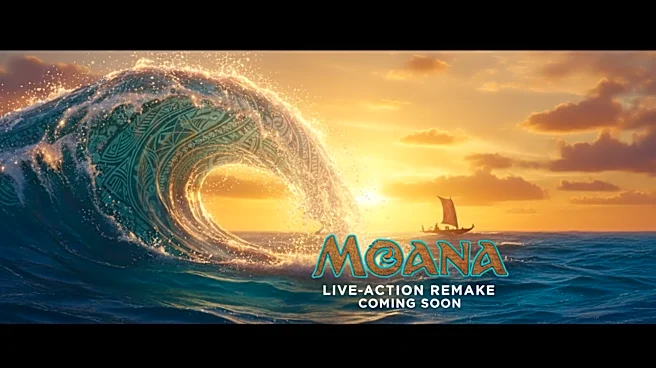
'Beauty and the Beast,' and 'Aladdin' all followed this playbook. But the live-action 'Moana,' set for release on July 10, 2026, is tearing up the script. The original animated film was released in 2016, making this new version less of a nostalgia-fueled revival and more of an immediate echo. With only a decade between the two, the film isn't trying to introduce a beloved story to a new generation that missed it; today's kids are still streaming the original. Instead, this project suggests a radical shift in Disney’s thinking. It’s not about looking backward to monetize a library; it’s about looking forward to aggressively cement a modern franchise in real time. This isn’t a cash-in on nostalgia; it’s an investment in legacy.
The Dwayne Johnson Factor
A key piece of the puzzle is Dwayne Johnson, who isn't just a producer—he's reprising his role as the demigod Maui. This is unprecedented for Disney's remakes. While actors from original films have made cameos, none have returned to play the same larger-than-life character. Johnson’s involvement provides a crucial bridge between the animated film and its live-action counterpart. His star power acts as an insurance policy, but his role as a producer for Seven Bucks Productions gives him a significant creative stake. He has repeatedly emphasized the importance of honoring his own Polynesian culture, a sentiment that drove the original's success. By anchoring the remake himself, Johnson ensures a level of continuity and cultural stewardship that a new cast couldn't replicate. It transforms the project from a simple retelling into a personal endeavor, led by one of the biggest stars on the planet who has a vested interest in protecting the story's 'mana' or spirit.
Passing the Baton
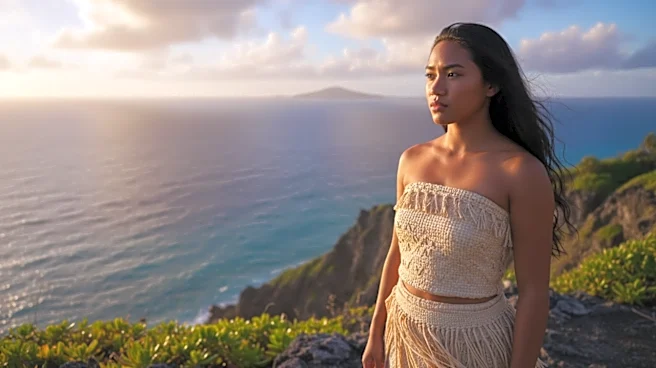
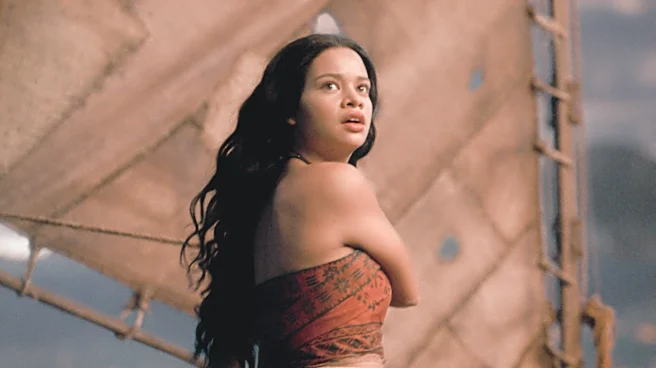
While Johnson provides continuity, the casting of Moana herself signals a thoughtful evolution. Auliʻi Cravalho, the original voice of Moana, gracefully stepped aside from reprising the role, stating a belief that it was vital to “pass the baton to the next young woman of Pacific Island descent.” Instead, she serves as an executive producer, mentoring the newcomer. That newcomer is 17-year-old Australian actress Catherine Lagaʻaia, who shares Samoan heritage. This move is more than just recasting; it’s a statement. It allows the franchise to grow by creating a lineage, turning the role of Moana into a legacy passed between talented performers of Pacific Islander heritage. Cravalho’s move to a mentorship and production role is a powerful act of building a community around the character, ensuring authentic representation remains at the forefront and preventing the role from being solely tied to one performer. This isn’t just remaking a princess story; it’s building a real-world sisterhood to protect it.
From Remake to Active Franchise Management
Ultimately, the live-action 'Moana' feels less like a remake and more like a strategic franchise expansion—a move straight out of the Marvel playbook. Disney isn't waiting 30 years to see if the intellectual property has staying power; it's actively ensuring it does. By producing a live-action version so quickly, complete with a sequel to the animated film also in the works, Disney is building a multi-pronged 'Moana' universe. This approach keeps the brand constantly in the cultural conversation, engaging audiences across different formats and generations simultaneously. It redefines the purpose of a "remake" from a nostalgic retread to an active tool for franchise management. It’s a bet that Moana—a princess with no prince, defined by her leadership and courage—is not just a character from a single beloved film, but the foundational hero of a modern Disney epic that can be told and retold in new ways, for years to come.