
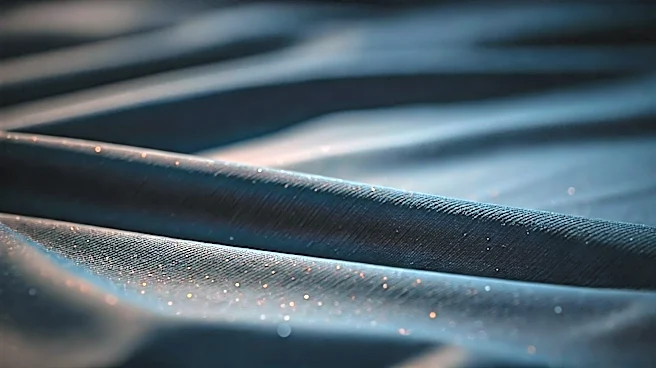


It's All About 'Drape'
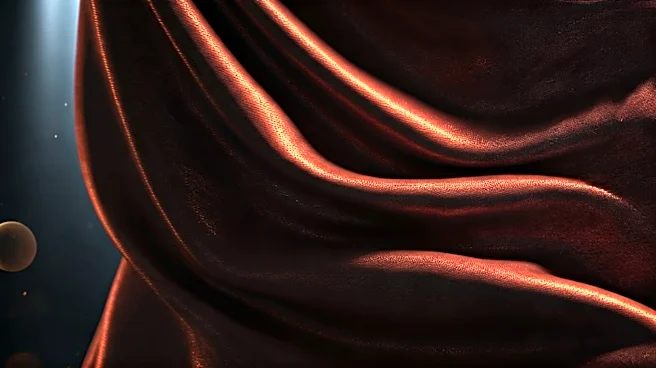
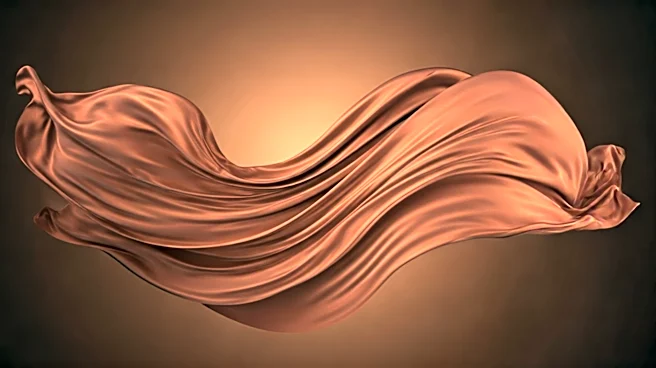
The magic word in the world of textiles is "drape." Drape describes how a fabric hangs and falls under its own weight. A shirt with good drape flows and conforms to the body's shape, creating a flattering silhouette rather than a stiff, boxy one. Think
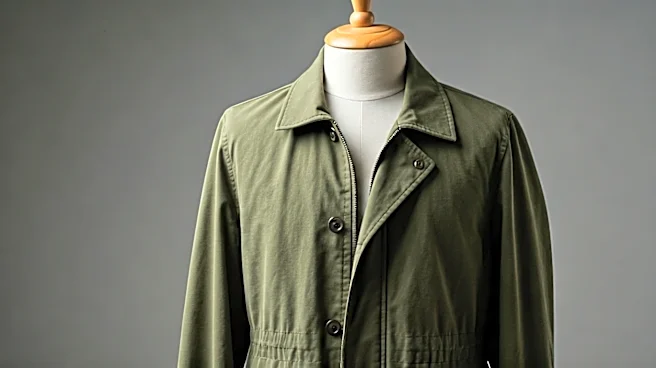
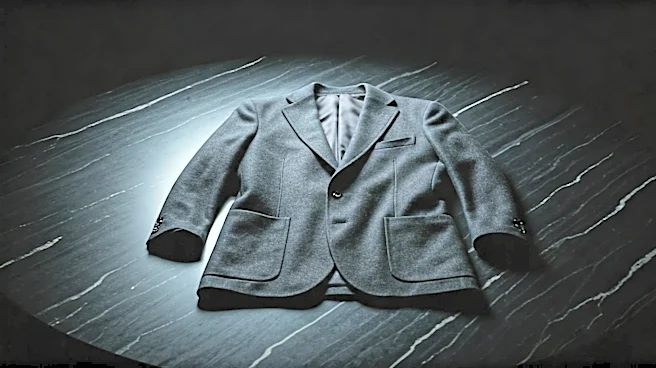
of the difference between a heavy, rigid piece of cardboard and a soft, flowing silk scarf—that's the essence of drape. For an oversized fit to look intentional and stylish, you need a fabric that cascades in gentle folds, not one that stands away from the body like a tent. This single quality is the most crucial factor separating a great oversized shirt from a sloppy one. It is influenced by a combination of the fiber used, the yarn construction, the fabric's weight, and its weave or knit structure.
Material Is Your Main Character
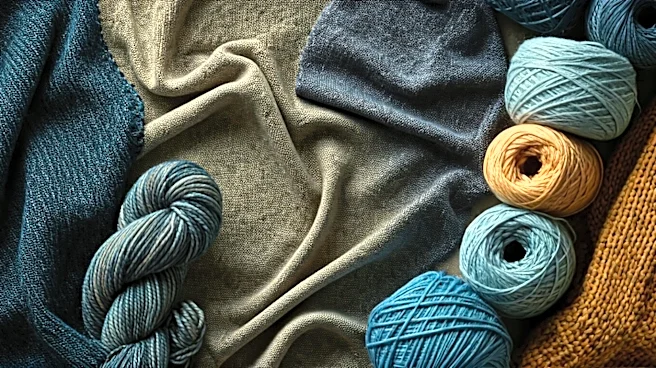
The type of fiber used is the foundation of a fabric's drape. While 100% cotton is a classic choice for its breathability, it can sometimes be too structured. A stiff, heavy cotton can create a boxy, unflattering shape. For superior drape, look for fabrics made from fibers known for their fluidity. Rayon, and its more modern versions like Tencel™ (Lyocell) and Modal, are champions in this category. These materials, derived from wood pulp, are engineered to be exceptionally soft with a smooth, liquid-like drape that hangs beautifully. Blends can also be a great option. A cotton-Tencel or cotton-Modal blend can offer the familiar comfort of cotton with the enhanced softness and fluid movement of rayon. These are often the secret behind shirts that feel substantial yet hang perfectly.
Understanding Fabric Weight (GSM)
Fabric weight, often measured in Grams per Square Meter (GSM), is another key piece of the puzzle. A higher GSM means a heavier, denser fabric, while a lower GSM is lighter. But heavier isn't always better or worse—it's about the interplay between weight and material. A very lightweight fabric (under 150 GSM) might be too flimsy and lack the substance to hang properly. Conversely, a very heavyweight cotton (250+ GSM) can be too rigid for an oversized cut. The sweet spot for many premium oversized tees is a mid-weight fabric, often between 180-220 GSM. A mid-weight Tencel or high-quality combed cotton in this range will have enough heft to create a graceful, weighty drape without feeling bulky. It gives the shirt presence and a luxurious feel as it moves.
The Unseen Role of Weave and Knit
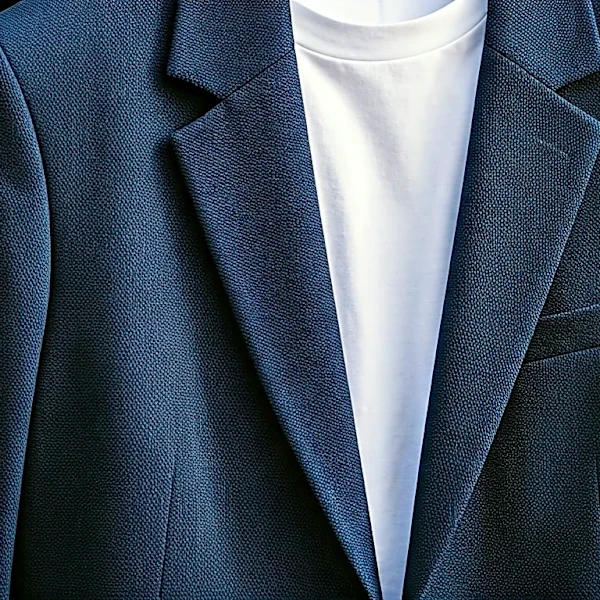
Finally, the way the yarns are constructed into fabric—the weave or knit—plays an unseen but vital role. Knitted fabrics, like the jersey used for most T-shirts, have looped structures that give them natural stretch and a tendency to drape softly. However, a very tight knit can restrict movement. Weaves, on the other hand, have a more grid-like structure. A plain weave, where threads interlace one-over-one-under, is stable but can be quite stiff. Structures with longer "floats"—where a yarn passes over multiple other yarns, like in a satin or twill weave—allow for more movement and flexibility, resulting in better drape. This is why a shirt made of Tencel twill will often hang more fluidly than one made of a basic cotton poplin.