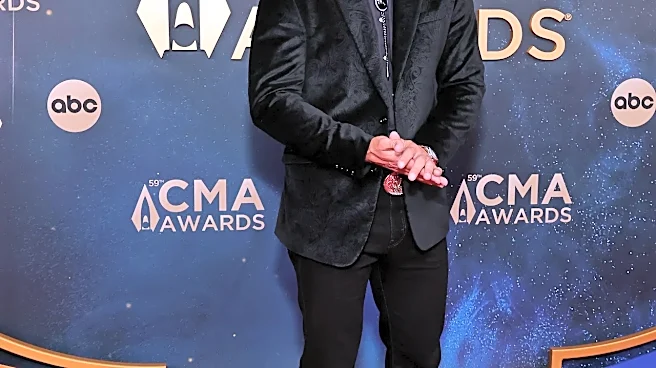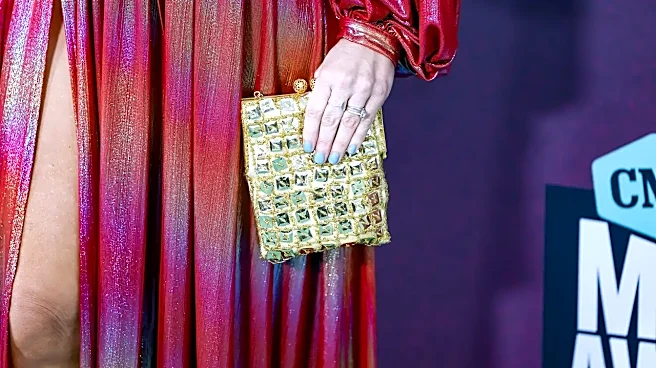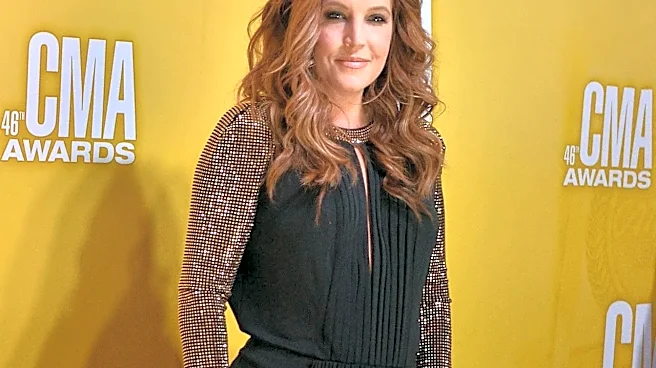






The Polished 'CMA' Look
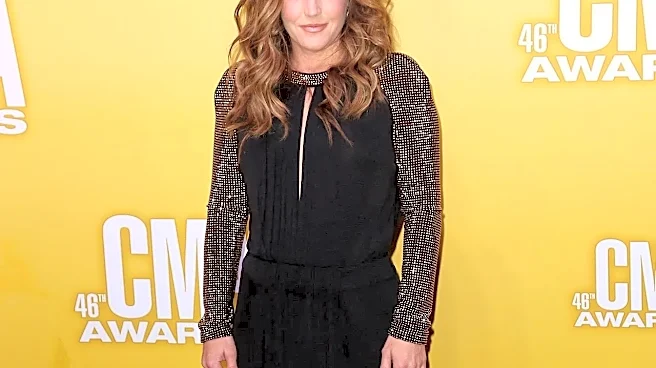
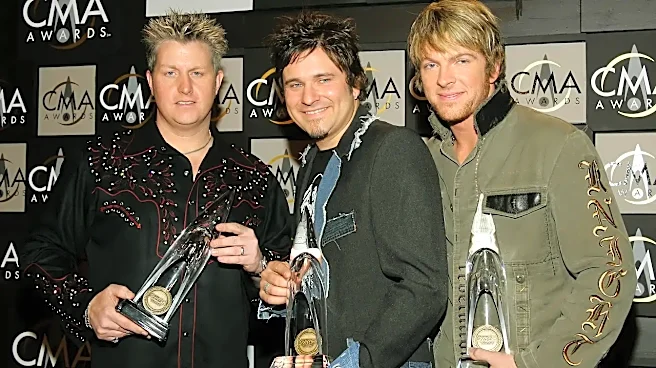
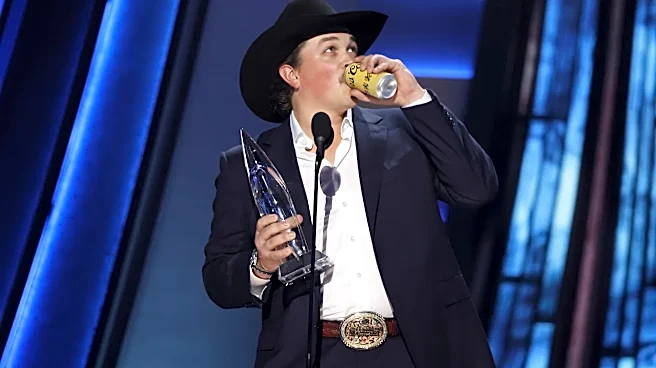
When you picture modern country style, you're likely thinking of the looks seen at the Country Music Association Awards. It’s a genre of fashion defined by glamour: women in sparkling, floor-length gowns and men in tailored blazers, often paired with
pristine jeans and a statement cowboy hat. It's a high-gloss version of Western heritage, where sequins, intricate embroidery, and luxury fabrics dominate. This style is designed for the spotlight, blending classic Nashville sensibilities with Hollywood elegance. But while it has its own appeal, this polished aesthetic represents just one branch of a much larger, more untamed family tree of Western fashion.
From Practicality to Pageantry
Western wear wasn't born on a stage; it was forged on the frontier. In the late 19th century, every element served a purpose. Durable denim, sturdy boots, and wide-brimmed hats were practical tools for cowboys and ranch hands. But as the myth of the American West grew through Wild West shows and early films, function began to merge with flair. Tailors like H Bar C started adding decorative piping and bold patterns in the 1930s for rodeo performers and singing cowboys like Gene Autry, who needed their clothes to pop on screen. This was the first step in transforming workwear into a spectacle, setting the stage for an even more radical reinvention.
The Rhinestone Revolution of Nudie Cohn
No single person did more to define Western stagewear than Nudie Cohn, a Ukrainian immigrant tailor who set up shop in Hollywood. Starting in the 1940s, Cohn began creating his legendary 'Nudie Suits'—dazzling, custom-made ensembles covered in rhinestones, chain-stitch embroidery, and personal motifs for his clients. He wasn't just dressing country stars like Hank Williams and Porter Wagoner. His clientele was a who's who of American cool. He famously made Elvis Presley a $10,000 gold lamé suit for an album cover, cementing his status as a tailor to the kings of music. Cohn proved that Western wear was a language of rebellion and extravagance that any star could speak.
The Cosmic Cowboy Crossover
By the late 1960s, rock and roll had fully embraced the Nudie suit's outlaw glamour. Gram Parsons, the pioneering frontman of The Flying Burrito Brothers, became a style icon in his custom Nudie creation. His suit was a counter-culture masterpiece, famously embroidered with marijuana leaves, poppies, pills, and pinup girls. It was a clear statement that Western wear didn't belong exclusively to the clean-cut Nashville establishment. This 'Cosmic Cowboy' aesthetic was adopted by artists like The Rolling Stones, Bob Dylan, and Elton John, who saw the style not as a costume, but as an extension of their rebellious, genre-bending music.
The New Mavericks
Today, the tradition of reinterpreting Western style continues far outside of country music. Lil Nas X exploded onto the scene with 'Old Town Road', building an entire aesthetic around flamboyant, custom cowboy looks, from hot pink Versace ensembles to sequined suits. His stylist aimed for looks that were 'electric, playful, colorful, and futuristic', treating the cowboy as a fluid symbol. Similarly, Post Malone, who blends country, hip-hop, and pop, has made Western wear a core part of his image and even launched his own fashion line celebrating Southwest ranch culture. These artists, along with others like Beyoncé and Harry Styles, are proving the aesthetic is a vital part of the global pop culture conversation, not a regional uniform.