
The Challenge: Heat, Stress, and Reactive Skin
Rosacea is a chronic inflammatory skin condition affecting millions of Americans, characterized by redness, flushing, and sometimes bumps. Its primary triggers are a perfect storm of conditions found at a summer
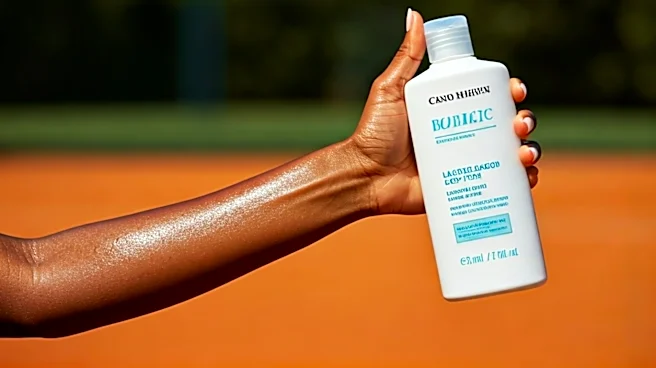
sporting event: sun exposure, heat, and stress. High temperatures cause blood vessels to dilate, increasing facial redness. Add in UV radiation, which damages the skin's barrier and fuels inflammation, and sweat, which can be a direct irritant, and you have a recipe for a significant flare-up. The goal isn't just to cover the redness but to proactively create an environment where the skin remains calm and stable under pressure.
The Foundation of Calm: Clinical Skin Prep
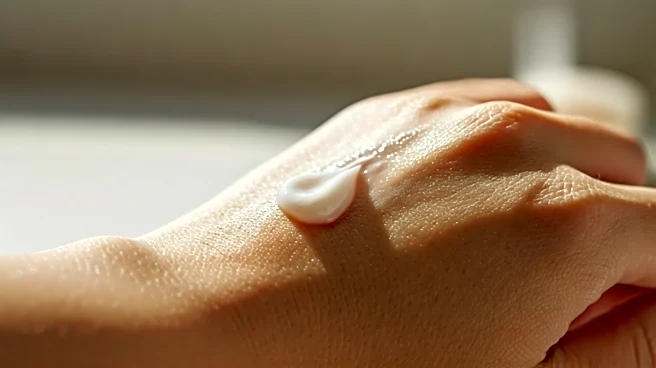
The most critical work happens before a single drop of makeup is applied. The logic is simple: calm first, correct second. A rosacea-friendly routine prioritizes a strong, hydrated skin barrier. Start with a gentle, non-stripping cleanser and lukewarm water, as hot water can trigger flushing. The next step is a serum packed with calming ingredients. Look for niacinamide to support the skin barrier, centella asiatica (or cica) to reduce inflammation, and ceramides to lock in moisture. Ingredients to avoid are just as important; alcohol, fragrance, and harsh exfoliants like glycolic acid can all aggravate sensitive skin.
Choosing Your Shield: The Sunscreen Imperative
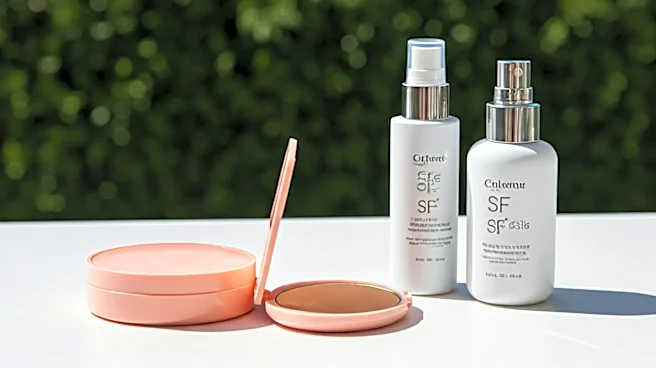
For rosacea-prone skin, sunscreen is a non-negotiable shield. Sun exposure is the most common trigger, making daily, year-round protection essential. Dermatologists overwhelmingly recommend mineral-based sunscreens containing zinc oxide and/or titanium dioxide. Unlike chemical sunscreens that absorb UV light and convert it to heat (a rosacea trigger), mineral formulas create a physical barrier that reflects the rays away from the skin. Look for a broad-spectrum, fragrance-free formula with an SPF of 30 or higher. A good mineral sunscreen not only protects but also often has inherent calming properties, especially formulas with zinc oxide.
The Base Layer: Makeup as a Second Skin
Once the skin is prepped and protected, the base makeup serves as a final, breathable shield. A green-tinted primer can be a strategic first step to visually neutralize redness before foundation. When choosing a foundation, mineral makeup is often an excellent choice as it tends to be free of common irritants. Whether you opt for a powder or a liquid, the key is a lightweight, oil-free, and non-comedogenic formula that provides coverage without feeling heavy. Application matters, too. Use a clean brush or a damp sponge in a gentle dabbing or patting motion; rubbing can create friction and trigger a flush.
The Mid-Match Refresh: Setting and Maintaining
Endurance is key, both on the court and for your complexion. To ensure your makeup lasts through the heat and humidity without causing irritation, a few final steps are crucial. A setting spray can lock everything in place, while a thermal spring water mist kept in the fridge can offer a cooling, calming refresh during the day without disturbing makeup. If you get oily, use blotting papers to absorb excess shine rather than layering on more powder, which can look cakey and potentially be drying. The goal is to touch the face as little as possible and use products that soothe rather than simply cover.