


5. The Finely-Tuned Jump Scare
Let’s start with the most obvious casualty of a crowded house: the classic jump scare. In a perfect run, a scareactor gets a few seconds to reset between groups. When you're in a conga line, you see the scare happen to the two, three, or even four people
in front of you. By the time the monster gets to you, the magic is gone. You might get a half-hearted lunge or an exhausted growl from a performer who has been firing on all cylinders with no break. While jump scares are the bread and butter of many haunts, their effectiveness is almost completely nullified by a steady, unbroken stream of guests. They rely on surprise, and there are no surprises when you’re the tenth person to see it unfold.
4. Detailed Story and 'Easter Eggs'
The creative teams at Universal are masters of storytelling, weaving intricate narratives and hiding clever details in every scene. In an ideal walkthrough, you’d have a moment to read the creepy newspaper clipping on a desk or notice the family portrait on the wall subtly changes as you pass. When you’re being pushed from behind and told to “keep moving” by staff, there is zero time for such luxuries. All that world-building, which designers spend months creating, becomes a frustrating blur. You might catch the broad strokes of the theme—zombies, vampires, a haunted theater—but the nuanced plot points that make HHN houses so beloved by hardcore fans are the first things to get lost in the shuffle.
3. Large-Scale Puppets and Animatronics
Now we're getting to the elements that hold up better. Large-scale effects, like a massive alien queen lunging from a ceiling or a giant demon puppet controlled by several performers, are built for spectacle. Their sheer size means you can see them over the heads of the people in front of you. Unlike a single actor in a boo-hole, these major effects often have a longer, more dramatic activation cycle, giving more people in the line a chance to witness the full movement. They are designed to be a room’s centerpiece, a “wow factor” moment that goes beyond a simple startle. While your personal interaction with them might be brief, their scale makes them far more resistant to being spoiled by crowds.
2. Immersive Set Design and Architecture
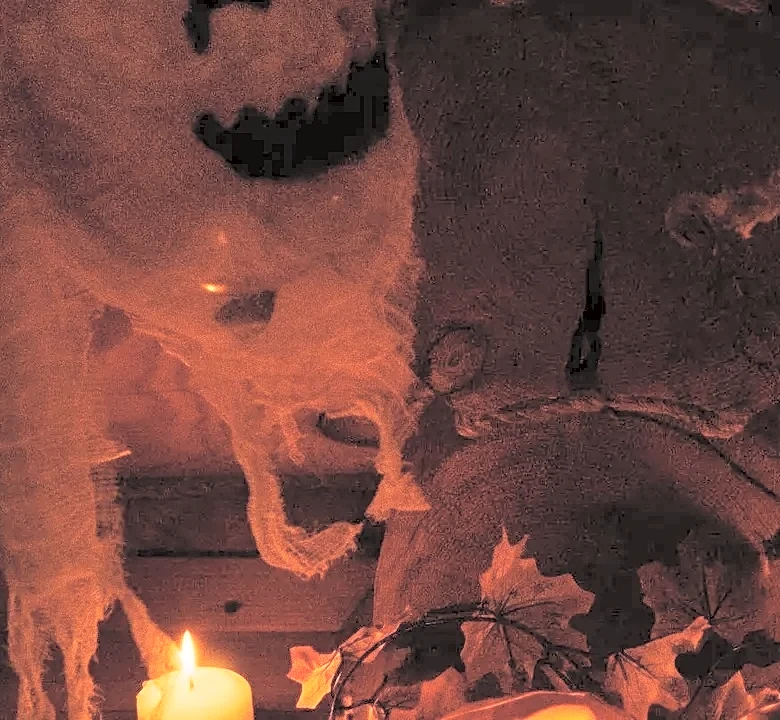
This is where you can still find immense value on a packed night. You are literally walking through the set. You can’t miss the claustrophobic, slanting walls of a sinking ship or the grand, cathedral-like ceilings of a vampire’s castle. The architecture of the maze—the tight corners, the disorienting layouts, the forced perspectives—affects you regardless of how many people are around. You can still appreciate the sheer artistry of the peeling wallpaper, the detailed props, and the overall environmental storytelling. These physical spaces are designed to make you feel a certain way—vulnerable, lost, overwhelmed—and that feeling is much harder for a conga line to ruin. Focus on the world around you, and you'll find the craft is still there.
1. Sound Design and Atmospheric Score
The single most crowd-proof element of any Halloween Horror Nights house is its sound. The meticulously designed soundscape is everywhere, enveloping every single person in the room equally. The unnerving ambient score, the distant screams, the sudden crash of an audio cue timed to a lighting effect—these elements don't require you to be in a specific spot or have a clear line of sight. Sound builds tension, creates a sense of dread, and can even provide scares of its own. It bypasses the visual traffic jam entirely and works directly on your subconscious. It is the invisible scaffolding of the entire experience and the one piece of artistry that a sold-out crowd simply cannot break.