



The Fairytale Finish
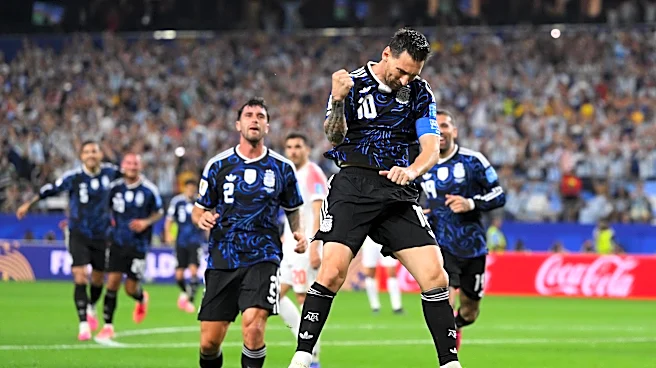
Every four years, the world tunes in to watch soccer’s greatest players chase immortality. For a select few, their final tournament is a chance to write the perfect last chapter. Think of Lionel Messi in 2022, a player who had achieved everything except
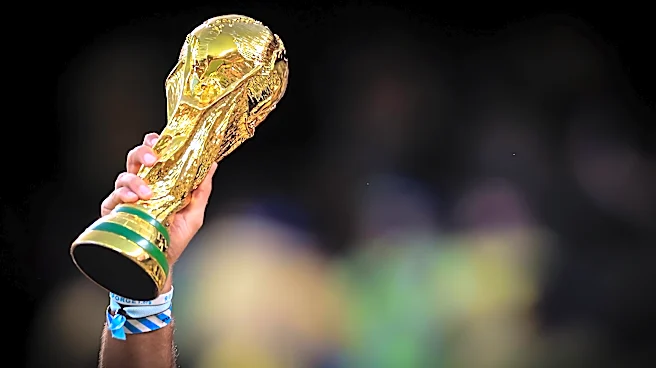
this one prize. He led Argentina through a dramatic, emotional tournament, culminating in a final for the ages where he scored twice. When he finally lifted the trophy, it was the coronation that both he and the sport craved—a career fulfilled on the biggest stage. It is the benchmark against which all other farewells are now measured, the dream every aging superstar is chasing.
A Moment of Madness
Then there is the other side of the coin, a goodbye so infamous it becomes its own legend. No one personifies this more than Zinedine Zidane. The 2006 World Cup was his self-declared swan song, and he was magnificent, guiding a French team to the final against all odds. In the final against Italy, he scored the opening goal with an audacious penalty. The storybook was writing itself. And then, in the 110th minute of his last-ever professional match, he inexplicably headbutted Marco Materazzi in the chest. The red card that followed wasn't just an expulsion from the game; it was an exit from the sport itself. France lost the subsequent penalty shootout, and Zidane’s final act became one of shocking aggression, not glory.
The Slow, Painful Fade
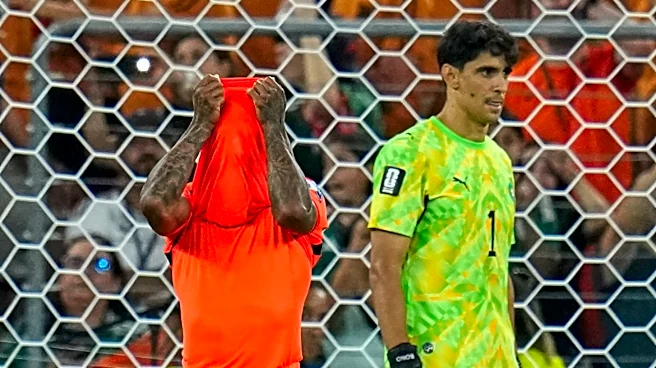
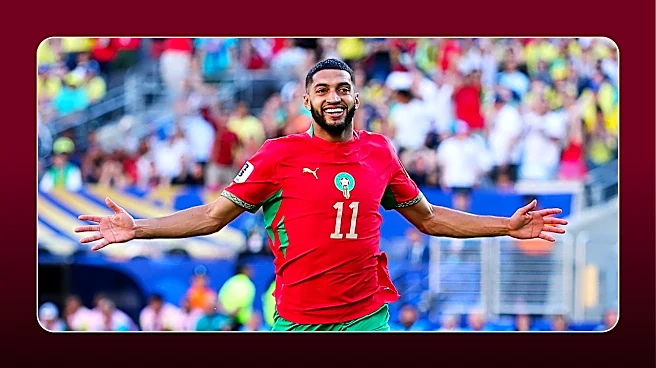
Perhaps worse than a single moment of madness is the slow, public decline. Cristiano Ronaldo, one of the most dominant athletes in history, arrived at the 2022 World Cup in Qatar with his legacy secure but his present in turmoil. After a contentious interview led to his departure from Manchester United, his role with Portugal also diminished. In the knockout rounds, the team captain was benched for crucial matches against Switzerland and Morocco. Instead of leading from the front, he became a supporting character. When Portugal was eliminated by Morocco, the final images of Ronaldo’s tournament were of him walking down the tunnel alone, in tears—a solitary, heartbreaking end for a player used to being at the center of everything.
The Off-Field Implosion
Sometimes the disaster doesn’t happen under the glare of the stadium lights but in the quiet of a laboratory. In 1994, Diego Maradona, Argentina’s flawed genius who had single-handedly won the 1986 World Cup, was attempting a comeback. He looked sharp in the opening games in the United States, scoring a vintage goal against Greece. But after the match against Nigeria, he failed a drug test, testing positive for the banned stimulant ephedrine. He was unceremoniously expelled from the tournament, his international career ending in scandal. Maradona claimed innocence, but the damage was done. His final World Cup memory is not of a goal, but of a disgrace that confirmed his tragic fallibility.
The 2026 Final Act
As the 2026 World Cup captivates audiences across North America, a new generation of aging icons is facing its final curtain call. A record number of players over 40—including Portugal's Cristiano Ronaldo, Croatia's Luka Modrić, and Germany's Manuel Neuer—are competing. For these legends, the stakes are immense. Each match carries the weight of their entire career. Every tackle and every pass could be their last on this stage. They are all chasing that perfect Messi-like ending, but they are acutely aware of how easily the dream can curdle into a Zidane-esque nightmare or a Ronaldo-style fadeout. The pressure is unimaginable.