







The Unspoken Uniform
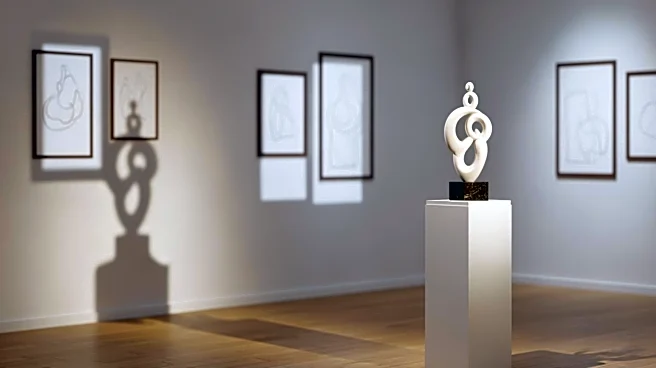
Art fair style is a specific genre of fashion. It’s a performance of taste for an audience of peers—gallerists, collectors, critics, and artists. The goal is not to be the loudest person in the room, but the most considered. The look is often architectural,
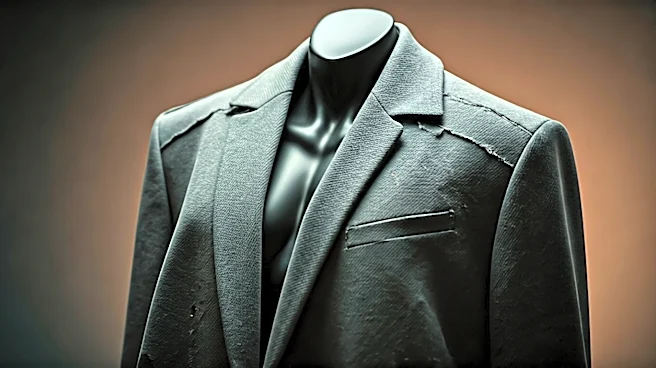
favoring oversized blazers, wide-leg trousers, and a palette of black, white, beige, and gray. It whispers wealth rather than shouting it. Flashy logos are out; unusual fabrics, clever draping, and subtly subversive details are in. This uniform signals that you’re here for the art, not just the spectacle, and that your appreciation for aesthetics extends from the canvas to your closet. It’s a costume that says, “I understand concepts.” And no one speaks that language better than Margiela.
Decoding Deconstruction
Founded by the elusive Belgian designer Martin Margiela in 1988, the house built its reputation on deconstruction. This wasn't about simply destroying clothes; it was about taking them apart to understand how they were made and then reassembling them in new, thought-provoking ways. Seams were exposed, linings became outer layers, and unfinished hems were celebrated. The brand's anonymity was central to this idea. Martin Margiela famously refused interviews and photos, and the clothes were marked only by four simple white stitches holding a blank label in place. The message was clear: focus on the garment, the process, and the idea, not the cult of personality or the status of a brand name. It was fashion as an intellectual exercise, a critique of the very system it operated within.
An Intellectual Alignment
This philosophy aligns perfectly with the values of the contemporary art world. Just as a conceptual artist might use everyday materials to question the nature of art itself, Margiela used the conventions of tailoring to question the nature of clothing. Wearing Margiela, or something inspired by it, becomes a form of cultural signaling. It tells others you appreciate process, concept, and subtext. A deconstructed jacket isn't just a jacket; it's a conversation piece about construction, labor, and value—themes frequently explored in the multi-million-dollar artworks hanging just a few feet away. In a space where ideas are the primary currency, a garment that embodies a powerful idea is the ultimate status symbol.
The Tabi Footprint
No single item exemplifies this connection more than the Tabi boot. The split-toe design, inspired by 15th-century Japanese socks, is Margiela's most recognizable and divisive creation. It's weird, slightly uncanny, and undeniably distinct. For decades, it has functioned as a secret handshake for fashion and art insiders. Seeing a Tabi print in the dust of a gallery floor or peeking from beneath a pair of perfectly tailored trousers is a clear signal. It communicates a certain fashion literacy and a willingness to embrace the unconventional. It’s not beautiful in a conventional, crowd-pleasing way, which is precisely its appeal. The Tabi is the art world’s punk rock brogue—a subtle rebellion against generic luxury.
Beyond the White Label
While you will see plenty of authentic Maison Margiela pieces at an art fair, the brand's true influence lies in how its codes have become a template. The aesthetic has been absorbed by a generation of other designers and embraced by retailers that cater to the creative class. The oversized blazer with raw edges, the recycled-fabric tote bag, the intentionally “off” silhouette—these are all echoes of Margiela’s pioneering vision. The house provided a vocabulary for a certain kind of intellectual style, one that rejects the obvious in favor of the considered. It gave the art world a way to dress that felt authentic to its own values: cerebral, slightly aloof, and always in on the joke.