





The Months-Long Sprint Before the Show
Long before a single camera goes live, the technical marathon for a variety special begins. This isn't just about setting up a few lights; it's a monumental pre-production effort. For massive events like a Super Bowl halftime show, planning can start
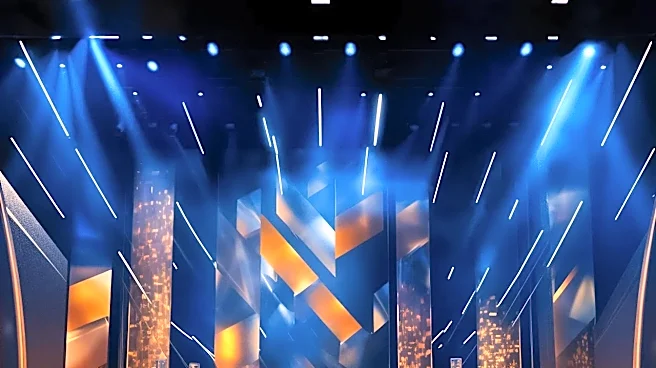
nearly a year in advance. Production designers create intricate 3D models of the stage and venue, mapping out every element. The goal is to build a universe that not only looks spectacular on screen but can also be assembled and disassembled in minutes. For instance, the halftime show stage is famously rolled out and set up during a commercial break, a feat of engineering and coordination that requires hundreds of IATSE crew members working in perfect sync. This phase involves endless meetings to bridge creative ambition with technical reality, determining everything from the weight load of a lighting rig to the placement of dozens of cameras to capture every angle.
The Conductor in the Control Room
During the live broadcast, the nerve center is the production control room, a space often miles away from the event itself. Here sits the technical director (TD), the person whose job is akin to conducting a high-speed orchestra. The director calls out camera numbers, and the TD’s fingers fly across a massive video switcher, cutting between dozens of cameras, rolling video packages, and cueing up graphics, all in fractions of a second. A single missed cue can result in the wrong shot airing, a graphic failing to appear, or a disastrous moment of dead air. As one NBC technical director described it, the director is the GPS, but the TD is driving the car—and wherever they turn is what millions of people see at home. This role demands immense concentration and the ability to make split-second decisions under extreme pressure, often for hours at a time.
Wrangling Light, Sound, and Chaos
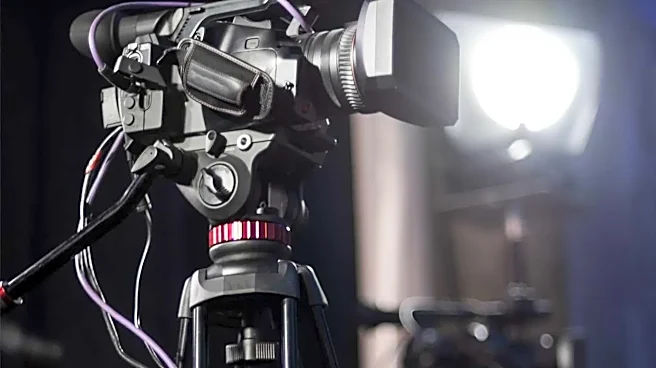
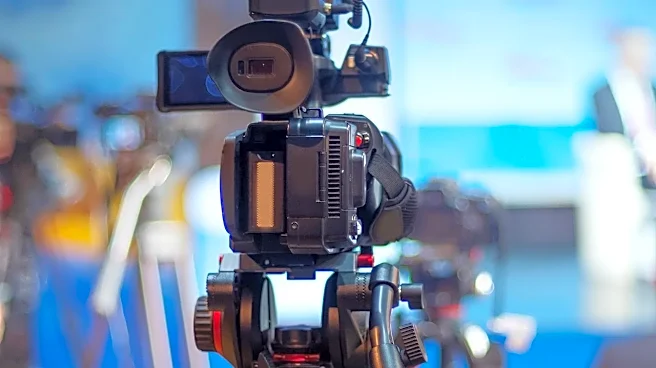
Beyond the control room, specialized teams are running their own mini-marathons. Lighting designers for a stadium show have to create intimacy and drama on a colossal scale, ensuring the artist is perfectly lit while bathing a crowd of 60,000 in dynamic effects. Sound engineers face the nightmare of mixing audio from countless microphones—for the talent, the band, and the audience—eliminating feedback and ensuring pristine audio for the broadcast. Then there's the camera department. For the 2026 Super Bowl LX Halftime Show, which dominated the Creative Arts Emmys, a massive team was responsible for capturing every moment. This involves not just the operators on the ground but also the video control technicians who ensure every camera's color and exposure matches perfectly, creating the consistent, high-quality images viewers expect. Any technical glitch, from a faulty cable to a microphone failure, must be solved instantly.
Recognition for the Unseen Artists
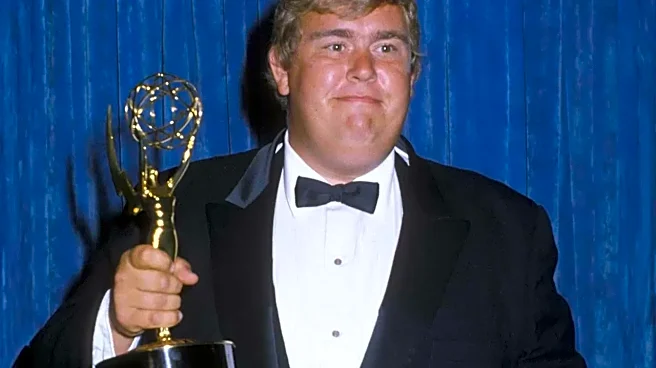
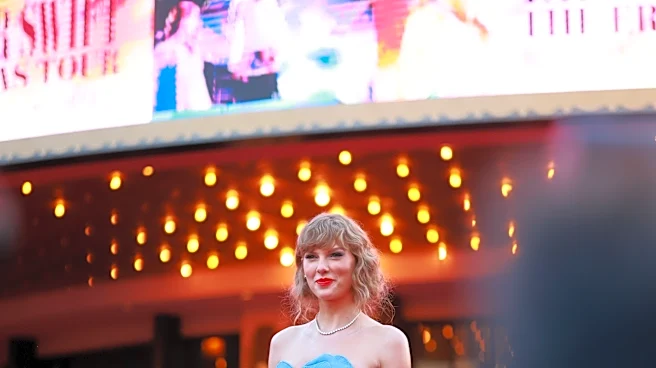
This is precisely why the Creative Arts Emmys exist. Awards like Outstanding Technical Direction and Camerawork for a Special, or Outstanding Lighting Design/Direction, are a testament to this incredible ballet of technology and human skill. These categories honor the artists and technicians who make the spectacle possible. Winning an Emmy in one of these fields is recognition from one's peers that a team successfully navigated an incredibly complex and high-pressure environment to produce something flawless. Shows like the Super Bowl Halftime Show, the Oscars, and major concert specials like Taylor Swift's "The Eras Tour" are consistently nominated because they represent the peak of this technical challenge, combining live performance, massive scale, and the unforgiving nature of a one-time-only broadcast.