






The Rise of the Spinoff-Sequel
In a risk-averse climate, networks are doubling down on what works, but with a twist. Instead of straightforward reboots, we're seeing a rise in the "spinoff-sequel," a series that continues a beloved story in a new location or with a tangential character.
CBS is a major player here, with "NCIS: New York" bringing back LL Cool J's character Sam Hanna from "NCIS: Los Angeles" to lead a new team. This strategy allows the network to leverage a built-in audience without needing to resurrect an entire original cast, offering a blend of familiarity and novelty that feels safer than a brand-new concept.
High-Concept, Low-Commitment Comedy
The 22-episode sitcom season is a rarity, but the concepts are getting bigger and stranger, if only for a short run. Take CBS's "Eternally Yours," a comedy about a vampire couple whose 500-year marriage hits a rough patch when their daughter starts dating a human. On NBC, "Newlyweds" features a free-spirited woman and a stuffy professor who get married after a whirlwind romance. These aren't just workplace or family comedies; they're high-concept hooks that can be explored in shorter, streaming-style seasons, aiming to grab viewer attention quickly with a quirky, memorable premise.
Fewer New Shows, More Familiar Faces
Perhaps the biggest micro-trend is what's missing: a large slate of brand-new scripted shows on broadcast TV. Networks like ABC and Fox have very few, if any, new scripted series debuting, a stark contrast to a decade ago. Instead, the schedule is packed with established franchises like the "Chicago" block on NBC and new seasons of hits like "Abbott Elementary" and "Survivor". This cost-cutting strategy funnels resources toward streaming while relying on proven performers to anchor the linear schedule, making the fall calendar feel more like a reunion than a coming-out party.
The Hyper-Specific Profession Drama
While legal and medical dramas are evergreen, this fall sees the arrival of shows centered on more niche and specific professional worlds. CBS's "Cupertino" follows two fired lawyers who decide to take on the giants of Silicon Valley, embedding the classic legal drama within the unique culture of the tech industry. Similarly, NBC's "Line of Fire" isn't just a cop show; it's about a family of law enforcement agents spread across different federal agencies, creating a complex web of jurisdictions and loyalties. This trend suggests an effort to refresh stale genres by drilling down into highly specific, modern workplaces.
Unscripted Goes All-American
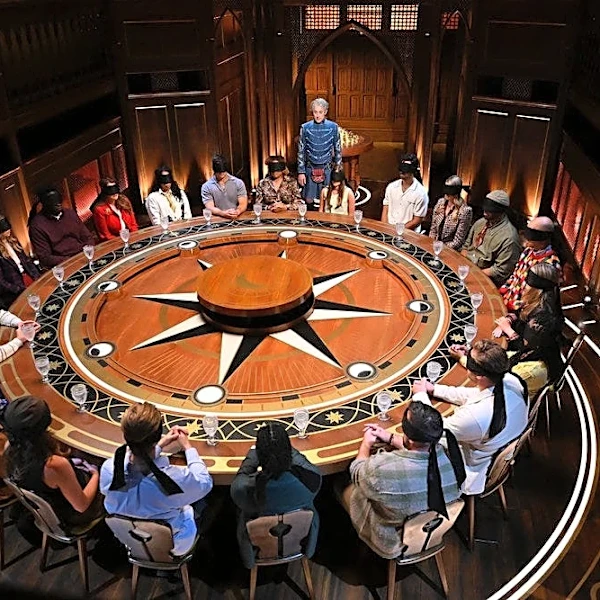
For years, reality competition shows have leaned heavily on celebrity casts. This fall, however, there's a notable pivot back to civilian contestants. NBC's "The Traitors: New Blood" is a prime example, swapping out the famous faces of its predecessors for a cast of 22 everyday Americans vying for the prize money. This shift away from B-list actors and influencers may be a response to audience fatigue, aiming to recapture the early magic of reality TV where ordinary people, not seasoned TV personalities, were at the center of the drama.