


More Than Just a Haircut
To see the fade as just a trend is to miss the story. It’s a cultural document written on the scalp, a symbol with a rich, complex history that speaks to discipline, identity, and rebellion. For decades before it landed on global fashion runways and in suburban
barbershops, the fade was being perfected and coded with meaning in very specific American communities. Understanding the fade isn't about hair; it's about history. It’s a haircut that carries the DNA of military barracks, the creative spirit of hip-hop's golden age, and the enduring social importance of the Black and Latino barbershop. It’s a timeline of cultural evolution, one precise clipper line at a time.
From Barracks to Barbershops
While some early forms of blended cuts existed before, the modern fade's story often starts with the U.S. military in the 1940s and '50s. The military demanded short, uniform, and hygienic hair that was easy to maintain in the field. The “high and tight” became standard, a practical cut symbolizing discipline and order. As soldiers returned to civilian life, they brought this clean-cut style with them. But the military's rigid template was just the beginning. It was in Black barbershops that this utilitarian cut was transformed into an art form. Barbers, especially with the advent of better electric clippers in the 1930s, took the basic concept of a taper and began to innovate, creating sharper lines and smoother gradients that showed off immense skill.
The Golden Age of Hip-Hop
If the military provided the blueprint, hip-hop in the 1980s and early '90s gave the fade its soul and its swagger. This was the era when the fade exploded from a community staple into a cultural phenomenon. In the hands of Black and Latino barbers in cities like New York and Los Angeles, the fade became a canvas for personal expression. Artists like Big Daddy Kane, Rakim, and Will Smith in The Fresh Prince of Bel-Air turned the high-top fade into a signature look. It was a statement of pride, creativity, and identity. The barbershop itself became a cultural hub where trends were born, music flowed, and community was built, with the fade at the center of its aesthetic.
The Mainstream Moment and What Gets Lost
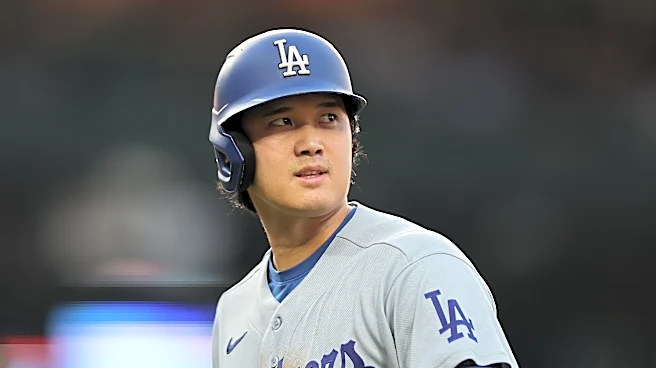
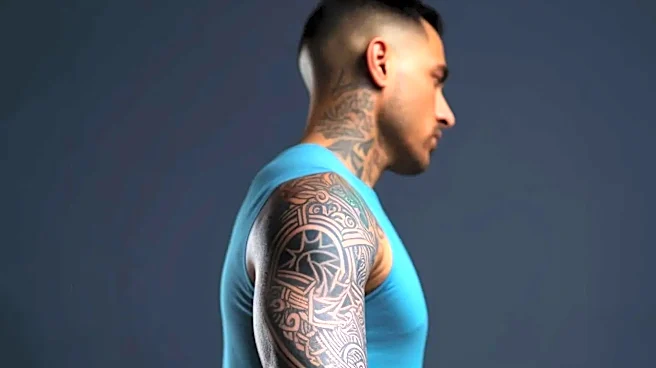
By the 2000s, the fade had crossed over. Pop stars, professional athletes, and actors of all backgrounds adopted the look. Social media supercharged its popularity, with barber influencers on platforms like Instagram showcasing breathtakingly precise blends to a global audience. The fade was no longer just a hairstyle; it was a universal symbol of modern, sharp grooming. But in this journey to global ubiquity, something was often lost in translation. The mainstream adoption tended to strip the fade of its specific cultural roots. It became a cool, edgy aesthetic choice, disconnected from the decades of Black and Latino innovation that made it so. When someone sees the fade purely as a trend they saw on a celebrity, they miss the history of pride, professionalism, and identity it represented long before.
How to Read the Fade Today
So, how should we see the fade in 2026? It's not about gatekeeping a haircut. Instead, it’s about giving credit where it's due and appreciating the layers of meaning behind the style. A fade today is still a testament to the barber's skill—a perfect gradient requires a steady hand and an artist's eye. It remains a versatile, clean look that works for almost anyone. But it's also a living piece of cultural history. It's a direct link to the military's demand for discipline, the Black community's elevation of grooming into an art form, and hip-hop's revolutionary impact on global style. Seeing the fade means seeing that entire story: a journey from regulation to rebellion, from community to commodity, and from a simple haircut to a powerful symbol.